Africa
The Forgotten Children: Nigeria’s Almajiri System Exposed -By Panle Kenret Peter
The Almajiri system is a crisis that demands urgent attention and action. It is our collective responsibility to ensure that these vulnerable children are protected, educated, and given a chance to thrive.

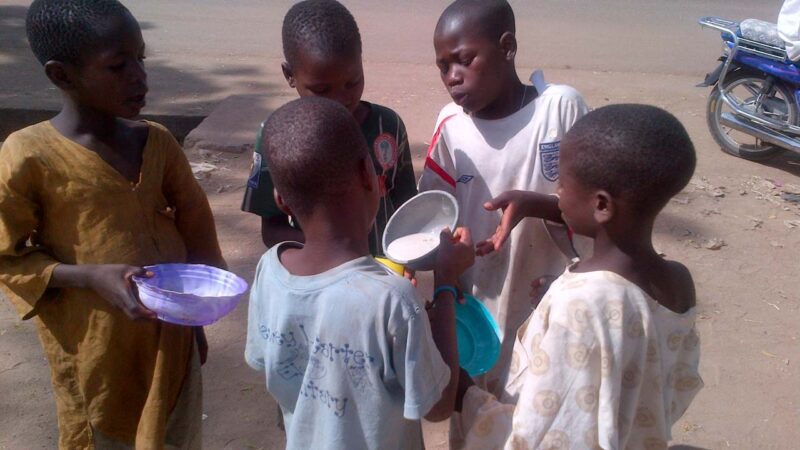
The Almajiri system, a traditional form of Islamic education in Nigeria, has become a hot topic of debate in recent years. While the system was originally designed to provide Islamic education and shelter to vulnerable children, it has largely devolved into a network of exploitation, neglect, and abuse.
The Almajiri system involves young boys, often from poor and rural families, being sent to Islamic schools (Tsangayas or Madrasas) to receive an Islamic education. These children, known as Almajiris, are typically between the ages of 5 and 18. In theory, they are supposed to be fed, housed, and taught the Quran and other Islamic subjects. In reality, many Almajiris are subjected to forced begging, physical abuse, and neglect.
The Almajiri system has become a conduit for child exploitation and abuse. Many Almajiris are forced to beg on the streets, exposing them to physical and emotional harm, diseases, and even death. They are often malnourished, underfed, and denied basic necessities like healthcare and education. The system has also been linked to the spread of diseases, as many Almajiris live in unsanitary conditions.
The Nigerian government has made efforts to address the issue, including the establishment of the National Commission for Almajiri Education in 2012. However, much more needs to be done. The government must take concrete steps to regulate the Almajiri system, provide alternative education and care for Almajiris, and hold perpetrators accountable for abuse and exploitation.
Nigeria has the highest number of Almajiri schools in Africa, with estimates suggesting around 10 million children are involved in the system, accounting for about 81% of the country’s out-of-school children. The Almajiri system is prevalent in Northern Nigeria, with states like Kano, Sokoto, and Kaduna having significant numbers
Some statistics on Almajiri schools in Nigeria:
- Kano: 305,006 Almajiri and out-of-school adolescent girls
- Sokoto: 249,523 Almajiri and out-of-school adolescent girls
- Kaduna: 209,950 Almajiri and out-of-school adolescent girls
- Katsina: 148,252 Almajiri and out-of-school adolescent girls
- Jigawa: 110,580 Almajiri and out-of-school adolescent girls.
The Nigerian government has made efforts to address the issue, including integrating Almajiri education into the formal system and establishing the National Commission for Almajiri and Out-of-School Children’s Education (NCAOOSCE).
Many Almajiri school children have developed negative behaviors, making them vulnerable to discrimination and recruitment into banditry. Some are even taken for human trafficking and other criminal activities. Sadly, these children often suffer from:
- Hunger and malnutrition
- Diseases and lack of medical care
- Physical and emotional abuse
- Forced begging and labor
- Poor living conditions and sanitation
- Lack of access to formal education
- Vulnerability to exploitation and violence
These difficulties lead to a high mortality rate and perpetuate a cycle of poverty. Many Almajiri children face an uncertain future, struggling to break free from these harsh realities.
The Almajiri system is a crisis that demands urgent attention and action. It is our collective responsibility to ensure that these vulnerable children are protected, educated, and given a chance to thrive.
The Nigerian government and stakeholders must work together to address this issue.
Alternative education and vocational training can help Almajiris break the cycle of poverty.
The Almajiri system is a human rights abuse that must be addressed.