Africa
The Hidden Strength Of West African Women Entrepreneurs -By Zarah Aji Ali
As the sun sets over the bustling cities and quiet villages of West Africa, the hum of women’s businesses continues to fill the air — from the rhythmic tapping of sewing machines to the vibrant chatter of market stalls. Each voice, each idea, and each act of courage contributes to a larger story of transformation. These women are not waiting for the world to recognize them; they are already changing it, one innovation at a time. Their strength lies not only in what they create but in the hope they inspire.

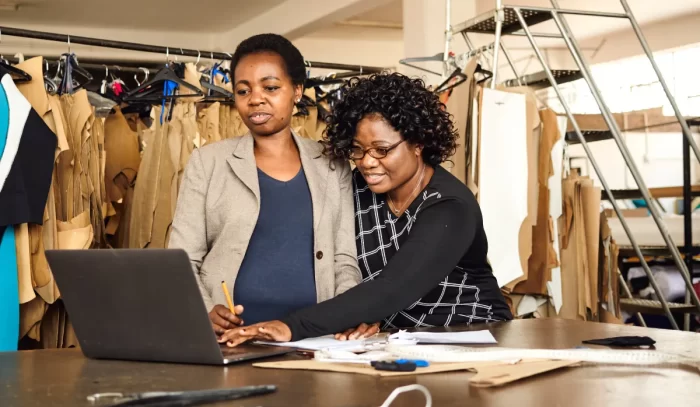
In the bustling markets of Accra, the lively streets of Lagos, and the rising tech hubs of Dakar, a quiet revolution is unfolding — one powered by women who refuse to be defined by limitations. Across West Africa, women entrepreneurs are rewriting the story of economic empowerment, showing that creativity and determination can conquer barriers that once seemed unbreakable. Their presence is visible in every marketplace, from traders selling handmade crafts to innovators leading digital startups. Many of these women began with little more than an idea, but their persistence has built businesses that now sustain families and entire communities. The rise of women entrepreneurs in the region marks a new era of inclusion and resilience that challenges the long-held gender boundaries of African economies. Their courage and persistence symbolize a new model of success that combines tradition with innovation. Today, these women are no longer waiting for opportunities — they are creating them.
For decades, economic participation in West Africa favored men, while women were confined to informal sectors or unpaid domestic labor. However, the tide is turning as financial inclusion programs and new technologies give women unprecedented access to resources. Mobile banking, microcredit schemes, and e-commerce platforms have allowed thousands of women to start, manage, and expand their enterprises independently. Initiatives such as She Leads Africa, the Cherie Blair Foundation for Women, and the Tony Elumelu Foundation have mentored and funded female entrepreneurs across the region. These programs have not only provided financial support but have also instilled confidence and business skills. As a result, women who were once excluded from formal markets are now thriving as owners, managers, and innovators. This progress has begun to reshape family dynamics, community roles, and even national economic priorities. The transformation proves that empowering women is not just a moral imperative — it is an economic strategy.
The story of Fatou, a Senegalese fashion designer, illustrates this transformation beautifully. Starting with a single sewing machine in her mother’s house, she faced numerous challenges ranging from lack of capital to limited access to raw materials. However, through training in digital marketing and e-commerce, Fatou expanded her business beyond Senegal’s borders. During the COVID-19 pandemic, she turned to social media to showcase her designs, and soon, international customers began placing orders. Her success inspired other women in her neighborhood to pursue their own business dreams. Fatou’s journey mirrors that of countless other women across the continent who are using innovation to overcome economic and social barriers. Their stories serve as a reminder that the entrepreneurial spirit knows no gender, and that opportunity grows when given room to breathe. In their resilience, these women embody the pulse of a changing West Africa.
Despite the visible progress, many challenges still hold women back from reaching their full potential. Access to financing remains one of the biggest hurdles, as banks and investors often consider women-led ventures too risky. Many women, especially in rural areas, lack collateral or formal banking records, which limits their ability to secure loans. Cultural expectations also play a role, with some societies still discouraging women from managing businesses or making independent financial decisions. These obstacles are compounded by limited access to education, technology, and legal protection. Nevertheless, women have found creative ways to adapt, forming savings groups, cooperative societies, and rotating loan schemes that allow them to pool resources and support one another. These grassroots financial innovations not only sustain their businesses but also strengthen community ties. Through persistence and solidarity, West African women are redefining what it means to be financially empowered.
The influence of female entrepreneurship extends far beyond individual prosperity — it transforms societies. When a woman earns an income, she invests significantly in her family’s education, nutrition, and healthcare. Research by the African Development Bank shows that female-led enterprises contribute to lowering poverty rates and increasing community welfare. In villages across Mali, Gambia, and Nigeria, women have reinvested profits from their businesses to build schools, health centers, and water systems. Their leadership demonstrates how inclusive growth begins at the grassroots. Women are also mentoring other women, ensuring that success becomes a shared experience rather than a solitary achievement. This network of mentorship and mutual aid is shaping a new generation of confident, self-reliant female entrepreneurs who believe that progress is not just possible but inevitable. In this way, empowerment becomes a cycle that sustains itself across generations.
Recognizing this transformative power, governments and international organizations have started implementing policies that favor women’s entrepreneurship. In Nigeria, for instance, the Bank of Industry has launched gender-focused funding programs to support women-led startups. Ghana’s Women’s Entrepreneurship Development Project trains women in leadership and business management. Meanwhile, across Sierra Leone and Liberia, non-profit organizations are partnering with tech companies to improve digital literacy among women traders. These initiatives not only provide access to funding but also promote knowledge-sharing and visibility for women’s enterprises. As a result, women are now entering industries once considered off-limits, including renewable energy, manufacturing, and technology. The growing participation of women in diverse sectors reflects a shift from mere survival to strategic growth. It is a clear sign that the region’s future depends on harnessing the full potential of its women.
Private companies and global investors are beginning to take notice of this movement. From agribusiness to fintech, businesses are incorporating women-centered initiatives into their corporate strategies. Many now view women entrepreneurs not as beneficiaries of aid but as valuable partners in sustainable development. Social enterprises and incubators across West Africa are providing mentorship, access to international markets, and training in digital innovation. This collaboration between the private sector and women entrepreneurs is creating a powerful ecosystem of growth and inclusion. The message is simple yet profound: empowering women drives progress for everyone. When barriers fall for women, entire economies rise. This recognition has made women’s entrepreneurship a key pillar in West Africa’s development agenda.
Still, the journey toward equality is far from over. To ensure lasting change, governments must strengthen legal protections, enforce gender equity laws, and expand access to education for girls. Financial institutions should design flexible loan models that consider women’s unique economic realities. At the same time, families and communities must continue to challenge social norms that limit women’s ambitions. Change, after all, begins with mindset. The vision of an inclusive West Africa where both men and women contribute equally to development is not a distant dream — it is a work in progress that demands collective effort. The more the region invests in its women, the more it secures its future.
As the sun sets over the bustling cities and quiet villages of West Africa, the hum of women’s businesses continues to fill the air — from the rhythmic tapping of sewing machines to the vibrant chatter of market stalls. Each voice, each idea, and each act of courage contributes to a larger story of transformation. These women are not waiting for the world to recognize them; they are already changing it, one innovation at a time. Their strength lies not only in what they create but in the hope they inspire. The rise of West African women entrepreneurs is more than an economic movement — it is a testament to the enduring power of resilience, vision, and unity in shaping a brighter tomorrow.
Zarah Aji Ali (AuntyB) is a 300 level student from Kashim Ibrahim University (Formerly Borno State University, Maiduguri)