Forgotten Dairies
The Judiciary, Pre-and-Post-Election Matters in Nigeria -By Tochukwu Jimo Obi
Ultimately, Nigeria cannot afford to slide into a one-party state as a result of weakened opposition and unresolved political conflicts. A vibrant, competitive political environment is essential for the sustenance of democracy. It is therefore imperative that all stakeholders—the judiciary, political parties, and electoral bodies—rise to the occasion and play their respective roles responsibly in safeguarding the nation’s democratic future.

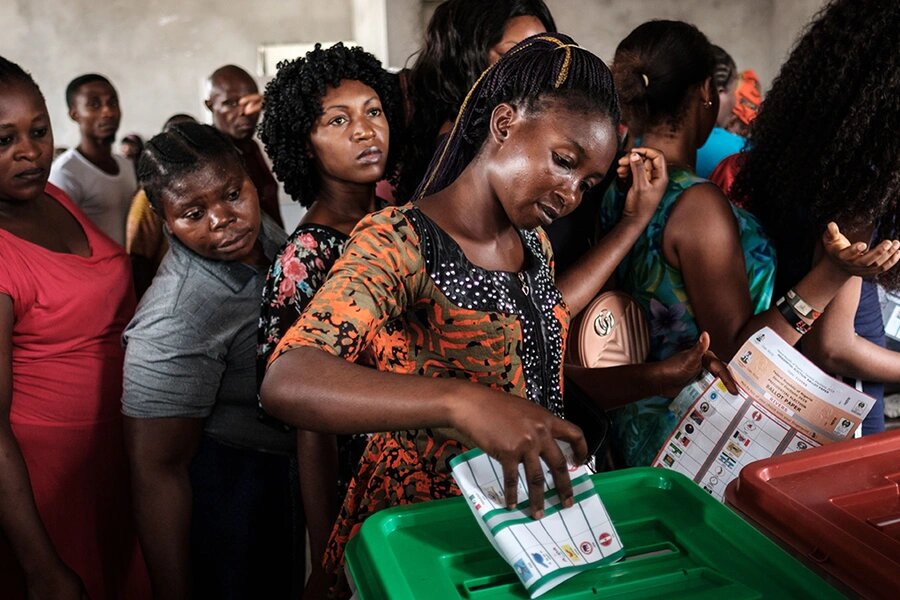
As Nigeria’s political atmosphere heats up ahead of the 2027 general election, politicians have once again resumed their familiar maneuvers, positioning themselves for power and influence. The early signs of political realignments, strategic alliances, and subtle power plays are already visible across the country. This period, often characterized by heightened political activity, also brings with it a renewed focus on the role of democratic institutions, particularly the judiciary.
Unfortunately, one striking and troubling development in the current political landscape is the internal crises bedeviling the major opposition political parties in a manner not previously witnessed. Rather than presenting a united front capable of strengthening democratic competition, these parties appear to be engulfed in deep-seated conflicts that threaten their cohesion and effectiveness.
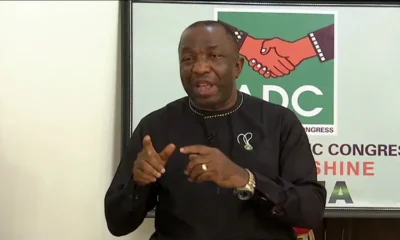
From the African Democratic Congress (ADC), Labour Party (LP), Peoples Democratic Party (PDP), to the Social Democratic Party (SDP), the narrative remains largely the same—persistent internal crises, factional leadership struggles, and a lack of clear direction. These divisions have weakened party structures and raised serious concerns about their preparedness for the forthcoming elections.
At the centre of these disputes lies the judiciary, as numerous cases arising from party leadership tussles and internal disagreements are currently pending before various courts across the country. These cases, which range from challenges to party leadership to disputes over candidate selection processes, await judicial determination and have significant implications for the political future of the affected parties.
These are indeed not the best of times for these opposition parties. While some stakeholders have accused the ruling All Progressives Congress (APC) of playing a role in exacerbating these crises, others attribute the situation to a lack of internal democracy, weak institutional frameworks, and the prevalence of selfish interests among party leaders. Regardless of the cause, the consequences remain damaging to Nigeria’s democratic health.
In this context, the judiciary bears a heavy responsibility. As the arbiter of disputes, it owes a duty to Nigeria and Nigerians to act with the highest standards of fairness, justice, and firmness. Judicial decisions must be guided strictly by the rule of law, free from external pressures or political considerations, in order to maintain public confidence in the legal system.
Furthermore, there is an urgent need for the courts to grant accelerated and speedy hearings to these pending matters. With time steadily running out in accordance with the Independent National Electoral Commission (INEC) schedule for election activities, delays in resolving these disputes could further complicate the electoral process and undermine the credibility of the elections.
Equally important is the role of INEC, which must continue to demonstrate its neutrality and independence. The commission must resist any form of pressure or influence that could compromise its integrity. By adhering strictly to its mandate, INEC can help ensure a level playing field for all political actors and reinforce public trust in the electoral process.
Ultimately, Nigeria cannot afford to slide into a one-party state as a result of weakened opposition and unresolved political conflicts. A vibrant, competitive political environment is essential for the sustenance of democracy. It is therefore imperative that all stakeholders—the judiciary, political parties, and electoral bodies—rise to the occasion and play their respective roles responsibly in safeguarding the nation’s democratic future.
Tochukwu Jimo Obi, a concerned Nigerian writes from Obosi Anambra state.