Africa
The Need For Reconstruction Of Maiduguri-Gamboru Ngala Federal Highway: A Lifeline For Regional Trade And Connectivity, by Hannah Patience Ibrahim

The Maiduguri-Gamboru Ngala highway stands as a critical artery linking Nigeria with its neighbors, Cameroon and Chad. This federal highway is more than a road—it is the heartbeat of regional trade, a bridge for cultural exchange, and a vital economic lifeline for the Lake Chad Basin. Yet, despite its strategic importance, the road has suffered years of neglect, exacerbated by insecurity and poor maintenance. Today, the call for its reconstruction is more urgent than ever.
Stretching from Maiduguri, the Borno State capital, to Gamboru Ngala on the Nigerian-Cameroon border, this highway connects Nigeria’s agricultural and commercial hubs to markets across Central Africa. Traders rely on it to transport goods such as livestock, grains, and textiles, while regional industries depend on the corridor for imports of essential supplies. The road also serves as a critical route for humanitarian aid, facilitating relief efforts in communities devastated by insurgency and climate-induced challenges.
Moreover, the highway underpins Nigeria’s role as a leader in regional integration within the Economic Community of West African States (ECOWAS) and the African Continental Free Trade Area (AfCFTA). Efficient connectivity between Nigeria, Cameroon, and Chad is crucial for fostering trade, security cooperation, and shared economic growth.
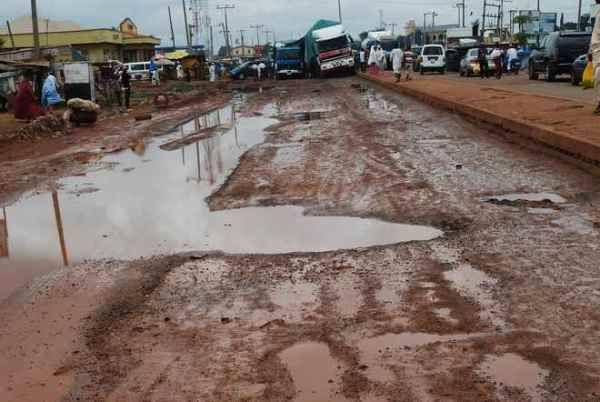
Years of neglect have rendered the Maiduguri-Gamboru Ngala highway almost impassable. Potholes, erosion, and structural damage plague long stretches of the road, forcing vehicles to detour through precarious alternative routes. The result is increased transportation costs, delays, and heightened risks for commuters.
The insecurity stemming from the Boko Haram insurgency has compounded the highway’s challenges. Frequent attacks along the route discouraged travel and hindered repair efforts, isolating communities and disrupting trade flows. While security has improved in recent years, the absence of a reliable highway continues to stifle economic recovery in the region.
For millions living in Maiduguri and border towns like Gamboru Ngala, this highway represents access to essential services. Rebuilding the road would improve the delivery of healthcare, education, and humanitarian aid to displaced populations in camps along the corridor. Furthermore, a functional highway would revitalize local economies, providing employment opportunities and enabling farmers to transport their produce to markets without prohibitive costs.
The reconstruction of the Maiduguri-Gamboru Ngala highway would unlock the economic potential of the Lake Chad region. By facilitating smoother movement of goods and services, the road could enhance Nigeria’s non-oil revenue and reduce dependency on imports. Cross-border trade with Cameroon and Chad would flourish, fostering mutual prosperity and strengthening diplomatic ties.
Additionally, the highway’s revival would support ongoing counterterrorism efforts. Economic growth in the region could reduce youth unemployment—a key driver of recruitment into extremist groups—while improved security on the highway would discourage criminal activities such as smuggling and kidnapping.
Reconstructing the Maiduguri-Gamboru Ngala federal highway is not merely a local issue; it is a matter of national and regional importance. The Nigerian government, in collaboration with international partners and regional bodies, must prioritize this project. Public-private partnerships (PPPs) could offer a sustainable model for financing the reconstruction, leveraging investments from stakeholders who recognize the highway’s economic significance.
Moreover, a comprehensive approach to reconstruction should include measures for long-term maintenance and security. The involvement of local communities in these efforts would ensure that the highway remains a functional and safe corridor for generations to come.
The Maiduguri-Gamboru Ngala federal highway embodies the promise of connectivity, trade, and development in a region that has endured decades of hardship. Rebuilding this vital road is more than an infrastructure project—it is a pathway to economic recovery, social cohesion, and regional stability. The time to act is now. Reconstructing the highway will not only restore the lifeline of the Lake Chad Basin but also reaffirm Nigeria’s commitment to regional integration and sustainable development.
Hannah Patience Ibrahim a 300 level Student from Department of Mass Communication University of Maiduguri.