Africa
The Quiet Crisis: Nigeria’s Looming Food Insecurity -By Muhammad Samaila Muhammad
If these steps are not taken, the consequences will be devastating. Food insecurity will continue to deepen poverty, fuel social unrest, and weaken national stability. Nigeria has the land, manpower, and potential to feed itself and even export food, but only if leaders treat this crisis with the urgency it deserves. The time to act is now—before hunger becomes the defining tragedy of a nation blessed with so much agricultural wealth.

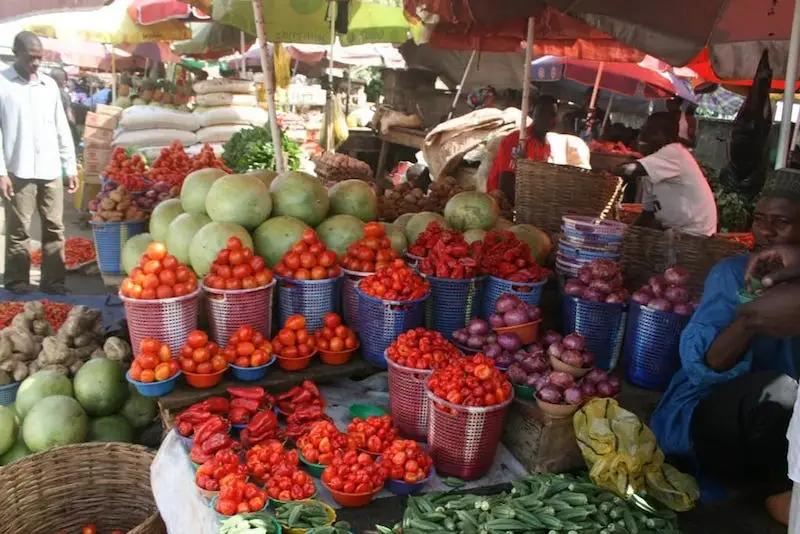
Nigeria is gradually slipping into a food crisis that threatens not just its economic stability but the very survival of millions of its citizens. The warning signs have been evident for years—declining agricultural productivity, rising insecurity in farming communities, inadequate storage facilities, and heavy dependence on food imports. Yet, little has been done to address the situation comprehensively. Today, the country finds itself at a crossroads where hunger is no longer a distant fear but a daily reality for many households.
One of the primary drivers of this looming crisis is insecurity. Vast farmlands in the country’s food-producing regions, particularly in the North, have been abandoned due to banditry, kidnapping, and clashes between farmers and herders. Farmers in states such as Borno, Zamfara, Benue, and Kaduna live in constant fear of attacks, making it nearly impossible to cultivate crops. This disruption has led to a sharp reduction in the supply of essential food items, driving up prices in markets nationwide. For the average Nigerian family, feeding three times a day has become a luxury rather than a right.
Beyond insecurity, climate change has worsened the situation. Erratic rainfall, prolonged dry spells, and devastating floods have all contributed to the reduction of crop yields. For instance, the 2022 floods destroyed farmlands in over 30 states, leading to severe shortages of staples such as rice, maize, and yams. Despite repeated warnings from environmental experts, government responses have remained reactive rather than proactive. Investments in irrigation, drought-resistant crops, and flood control infrastructure remain far below what is required to safeguard food production.
Another major concern is the collapse of Nigeria’s once-thriving agricultural value chain. Poor road networks mean that farmers who manage to produce crops struggle to transport them to urban markets. Post-harvest losses account for up to 40% of total production, as perishable goods rot away due to lack of storage facilities and processing industries. This inefficiency not only affects food availability but also discourages farmers who receive little to no reward for their hard work.
The rising cost of living Is further compounding the crisis. Inflation, particularly food inflation, has been on a steep upward trend, making even the most basic food items unaffordable. Families that once could afford a balanced diet are now forced to settle for less, leading to widespread malnutrition. For children, this poses a long-term danger as poor nutrition affects growth, learning capacity, and overall health. The situation is even more alarming in rural communities and among internally displaced persons who rely heavily on humanitarian aid.
Addressing this quiet crisis requires urgent and deliberate action. First, the government must restore security in farming communities to allow farmers to return to their fields without fear. Second, there must be renewed investment in modern agricultural practices, including mechanization, irrigation, and access to improved seedlings. Third, building storage and processing facilities will reduce post-harvest losses and create jobs for young people. Finally, Nigeria must reduce its dependence on food imports by strengthening local production and supporting smallholder farmers, who make up the backbone of the agricultural sector.
If these steps are not taken, the consequences will be devastating. Food insecurity will continue to deepen poverty, fuel social unrest, and weaken national stability. Nigeria has the land, manpower, and potential to feed itself and even export food, but only if leaders treat this crisis with the urgency it deserves. The time to act is now—before hunger becomes the defining tragedy of a nation blessed with so much agricultural wealth.
Muhammad Samaila Muhammad is a 300 Level Student From Mass Communication Department University Of Maiduguri.