Africa
The Rising Tide Of Drug Abuse Among West African Youth -By Yakubu Ndakwe Mmenim
Ultimately, tackling drug abuse requires a holistic approach — one that addresses both the supply and demand sides. The youth of West Africa represent the region’s greatest asset, but without urgent action, addiction could rob them of their potential. The future of the continent depends on whether society chooses rehabilitation over neglect, and hope over despair.

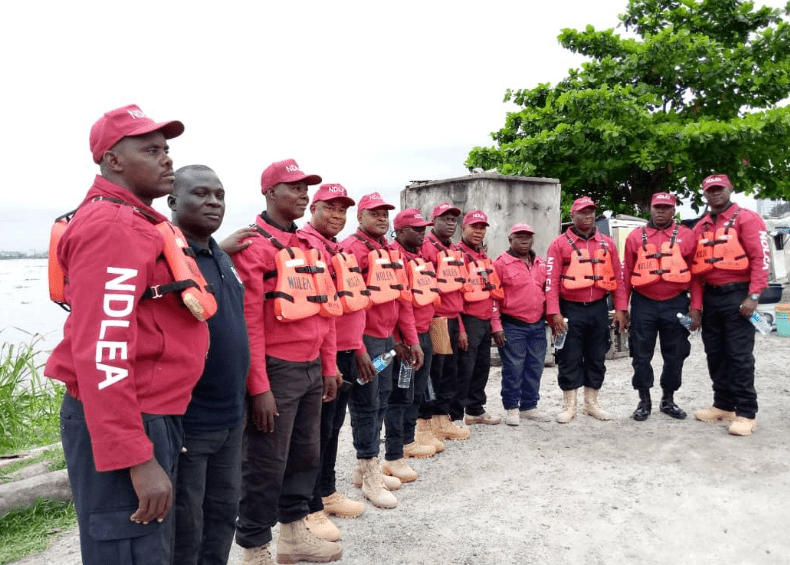
A dangerous epidemic is spreading quietly across West Africa — not of disease, but of addiction. From the streets of Lagos to the suburbs of Accra and Bamako, drug abuse has become a growing social menace threatening the health and future of young people. Once limited to urban slums, the problem has now reached schools, universities, and even rural communities. Experts warn that the region is sitting on a time bomb of mental health crises, crime, and broken futures.
In Nigeria, the National Drug Law Enforcement Agency (NDLEA) estimates that about 14.4 percent of the population — nearly 15 million people — use psychoactive substances. The most commonly abused drugs include tramadol, codeine, cannabis, and newer synthetic opioids smuggled through porous borders. What was once a hidden issue has become an open wound on the nation’s youth population.
Economic hardship, unemployment, and social pressure are major drivers of drug abuse. Many young people turn to drugs to escape frustration, anxiety, or hopelessness. With limited job opportunities and growing insecurity, drugs provide temporary relief — but long-term destruction. In cities like Kano, Port Harcourt, and Lagos, entire communities have been affected by the scourge of addiction.
Another alarming trend is the use of household items and industrial chemicals as substitutes for expensive narcotics. In Northern Nigeria, reports have surfaced of youths inhaling fumes from sewage, petrol, or glue to get high. These practices have catastrophic health effects, leading to brain damage and death. Yet, because of stigma and weak enforcement, the problem continues largely unchecked.
Trafficking networks have also capitalized on the region’s weak borders. West Africa now serves as a major transit hub for cocaine and heroin shipments from Latin America and Asia destined for Europe. Local consumption, once negligible, has risen sharply as traffickers pay couriers and middlemen with portions of their merchandise. The result is a dangerous cycle of supply, dependency, and criminality.
Religious and community leaders have sounded the alarm, calling for urgent intervention. Rehabilitation centers are few and often underfunded. Families dealing with addicted members face social stigma and lack of support, forcing many to suffer in silence. Without adequate medical and psychological care, most addicts relapse shortly after recovery.
The implications for national security are grave. Drug abuse is fueling violent crimes, cultism, and domestic violence. In some cases, it has even been linked to insurgent recruitment, as extremist groups exploit addiction and poverty to lure young men into their ranks. The fight against drugs, therefore, is also a fight for peace and stability.
The NDLEA has intensified crackdowns on traffickers and initiated public sensitization campaigns. Yet, experts argue that enforcement alone cannot solve the problem. Prevention through education, community engagement, and youth empowerment is key. Schools must include drug education in their curricula, and parents must be equipped with knowledge to detect early warning signs of addiction.
Ultimately, tackling drug abuse requires a holistic approach — one that addresses both the supply and demand sides. The youth of West Africa represent the region’s greatest asset, but without urgent action, addiction could rob them of their potential. The future of the continent depends on whether society chooses rehabilitation over neglect, and hope over despair.
Yakubu Ndakwe Mmenim is a 300 Level student from the Department of Mass Communication, University of Maiduguri.