Breaking News
Tinubu-Bishops Meeting Sparks Debate as Clerics, Presidency Exchange Views on Economy
The Presidency defended Tinubu’s economic reforms after reactions to Cardinal John Onaiyekan’s comments following a meeting with Catholic bishops.

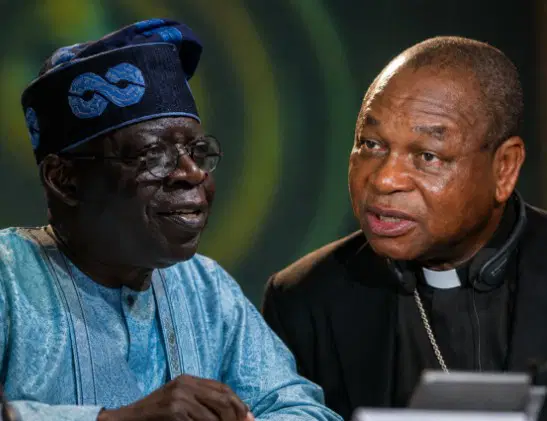
The meeting between President Bola Tinubu and the Catholic Bishops’ Conference of Nigeria (CBCN) has generated nationwide debate over governance, economic reforms and the role of religious leaders in public affairs.
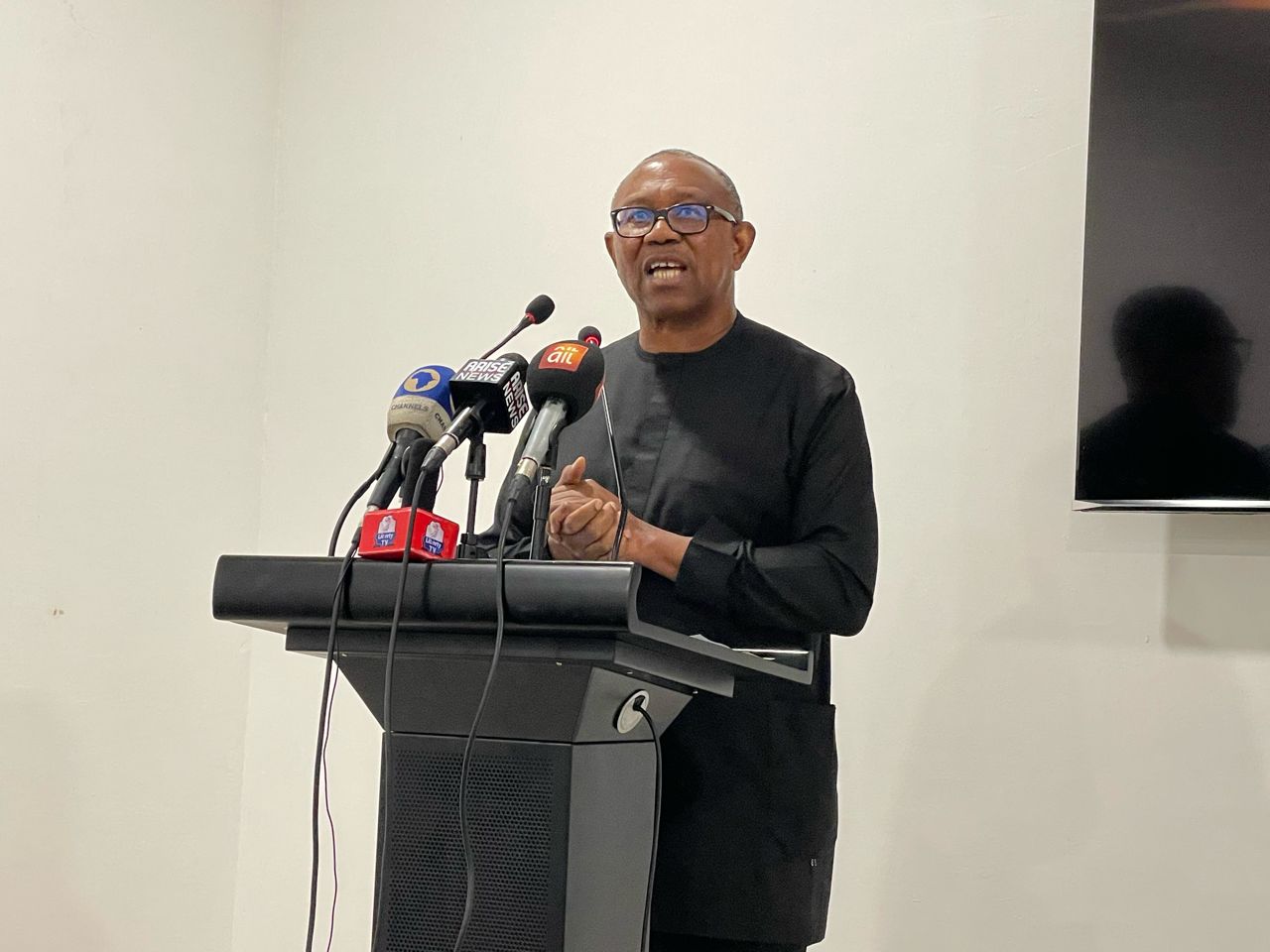
The discussion gained momentum after Cardinal John Onaiyekan commented on the meeting during a television interview, drawing responses from the Presidency, religious leaders and public affairs commentators.
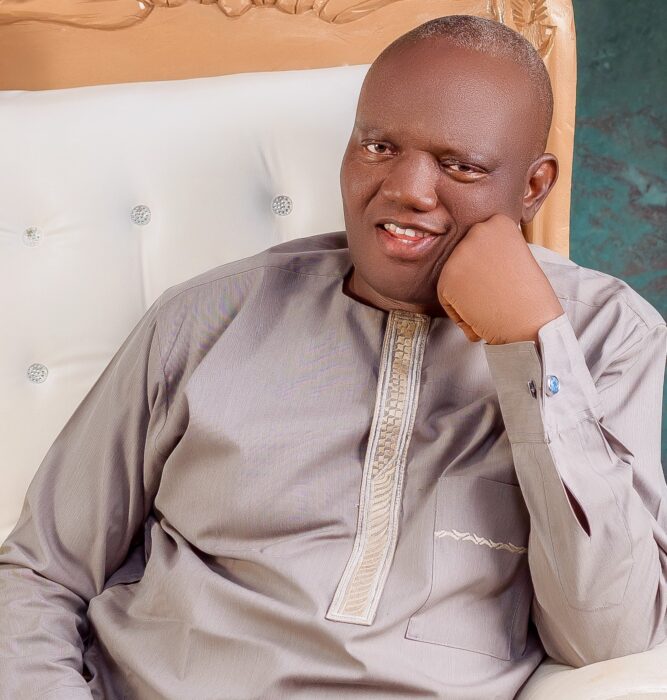
Pastor Seyi Osuntayo of The Apostolic Church Nigeria said the exchange between the Presidency and the Catholic bishops was regrettable, noting that although clerics have a responsibility to contribute to national discussions, the timing of criticism is equally important.
“The timing of advice and criticism is important. The timing of the Catholic Bishops’ Conference of Nigeria’s comments could be interpreted differently by various audiences,” he said.
Osuntayo urged church leaders to avoid partisan political disputes and instead continue promoting good governance while praying for leaders.
“Our leaders need prayer, whether we agree with their leadership style or not. We may not choose our leaders, but we can choose to obey God’s instruction to pray for them,” he added, citing 1 Timothy 2:1-4.
Journalist Ben Charles-Davies argued that the focus should remain on the bishops’ concerns over poverty, insecurity and the high cost of living rather than criticism of their intervention.
He noted that the Catholic bishops had also criticised previous governments and said Cardinal Onaiyekan’s remarks echoed concerns widely expressed by many Nigerians.
Speaker and entrepreneur Ugoji Maximillian described disagreements between political and religious leaders as a normal feature of democracy.
He also said President Tinubu appeared determined to pursue his economic agenda despite opposition from various quarters.
Former Lagos State Commissioner for Physical Planning, Toyin Ayinde called for patience, arguing that the impact of economic reforms should be assessed over time rather than through immediate outcomes.
He encouraged stakeholders to contribute practical ideas capable of improving governance.
Defending the administration, presidential media aide Temitope Ajayi said the bishops had requested the meeting with President Tinubu and were given the opportunity to raise concerns on economic, security and social issues.
Ajayi argued that although the bishops recognised the achievements of the Nigerian Education Loan Fund (NELFUND), they did not adequately acknowledge other gains recorded by the administration.
He said President Tinubu inherited major fiscal challenges and has introduced reforms aimed at restoring economic stability, pointing to improvements in salary and pension payments across several states.
On the issue of mission schools, Ajayi said responsibility rests with state governments, while noting that President Tinubu had returned mission schools during his time as Governor of Lagos State.
The exchanges have renewed public debate over whether religious leaders should actively comment on government policies or concentrate on spiritual guidance, highlighting broader discussions on economic reforms, governance and the relationship between faith-based institutions and political leadership in Nigeria.
Africans Angle News