Forgotten Dairies
The Burden of Single Motherhood: Why Nigerian Women Deserve a Second Chance -By Yusuf Kabiru David
Parents also have an important role to play. They should educate their children both boys and girls about responsible relationships, consent, respect, parenting and the consequences of their choices. Responsibility should not be taught only to daughters; sons must equally understand that fatherhood comes with obligations.

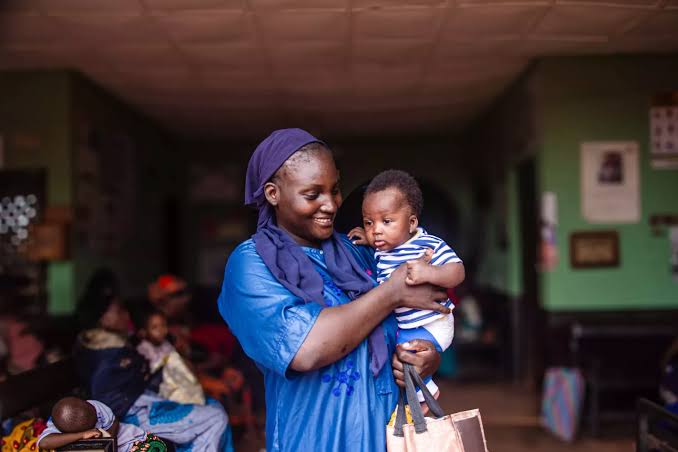
In Nigeria today, many women are being judged and mistreated because of their past, particularly because they became mothers before their lives turned out the way they had planned. Across the 36 states and the Federal Capital Territory, some single mothers face rejection, discrimination and humiliation simply because they find themselves raising children without a partner.
But behind the title “single mother” is often a woman fighting every day to give her children a better life.
Some women become single mothers unexpectedly. Others may have become pregnant through a relationship they once believed would lead to marriage, while some may have been deceived, abandoned or taken advantage of. There are also women who leave marriages because of domestic violence, abandonment or other circumstances that make remaining in the relationship unsafe.
We should therefore be careful about judging every single mother by the same standard.
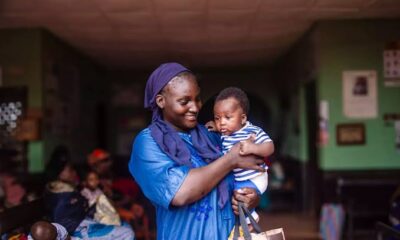
A woman should not lose her dignity, value or place in society simply because she is raising a child alone. Motherhood does not make her less human, less capable or less deserving of respect. Many single mothers work, run businesses, study and struggle financially while carrying the enormous responsibility of raising their children.
Society must stop turning their situation into a permanent punishment.
No marriage should be considered worth a woman’s life. When a woman faces violence in her home, leaving an abusive relationship can be a difficult but necessary decision. Rather than condemning her for becoming a single mother, society should ask why she was forced into such circumstances in the first place.
Government and relevant institutions should also strengthen programmes that provide single parents with education, vocational training, childcare support and access to economic opportunities. Fathers who abandon their responsibilities should be held accountable under the law, where applicable, so that the burden of raising a child does not fall entirely on one parent.
Parents also have an important role to play. They should educate their children both boys and girls about responsible relationships, consent, respect, parenting and the consequences of their choices. Responsibility should not be taught only to daughters; sons must equally understand that fatherhood comes with obligations.
Being a single mother should not be a life sentence of shame.
These women may have made mistakes, experienced betrayal, escaped abusive marriages or simply found themselves in circumstances they never expected. Whatever the reason, their children still deserve love, and their mothers deserve dignity.
The question is not why some Nigerian women became single mothers. The question is: why does society continue to punish them for trying to move forward with their lives?