Economy
Tinubu’s Economic Reforms: A Painful Path to Progress, by Umar Zanna Wakil

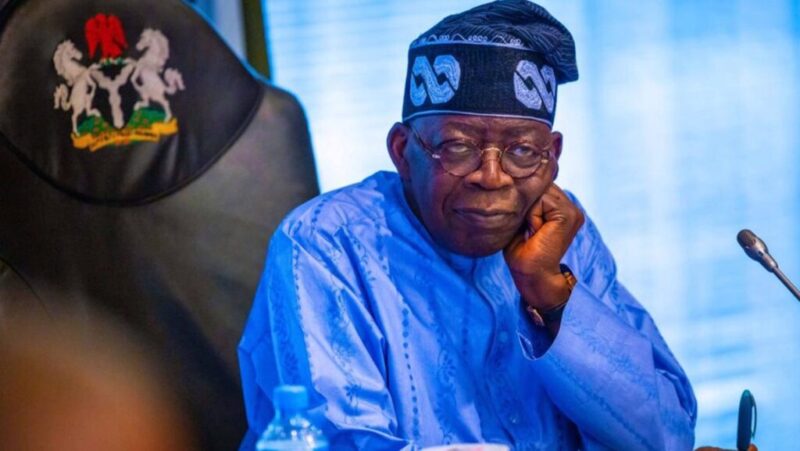
Nigeria’s economic reforms under President Bola Ahmed Tinubu’s administration have sparked intense debate. While some praise the efforts to stabilize the economy, others criticize the painful consequences. As the country navigates this challenging period, it’s essential to understand the government’s strategies and their potential impact.
Understanding the Economic Reforms
Nigeria’s economic reforms aim to address key structural challenges facing the economy. The government has introduced various initiatives, including:
Agricultural Productivity
To increase food production and reduce inflation, the government is investing in agriculture through initiatives such as the Government Enterprise and Empowerment Programme (GEEP). This program aims to provide financial support to farmers, improve agricultural infrastructure, and enhance productivity.
Infrastructure Development
Investing in infrastructure is critical to creating jobs and stimulating economic growth. The government is prioritizing projects such as road construction, bridge building, and energy supply expansion. These initiatives will not only improve the business environment but also enhance the quality of life for Nigerians.
Fiscal Responsibility
To reduce corruption and increase revenue, the government is implementing fiscal policies such as the Economic Recovery and Growth Plan (ERGP). This plan outlines priority actions to put the economy on a path of sustainable and inclusive growth.
Foreign Direct Investments
Attracting foreign direct investments is crucial to boosting the economy. The government is working to create a favorable business environment, simplify regulatory processes, and provide incentives for investors. This will help drive economic growth, create jobs, and increase revenue.
These strategies and initiatives demonstrate the government’s commitment to addressing economic challenges and promoting sustainable growth in Nigeria.
However, the implementation process has been marred by challenges,
The Tinubu reforms have been a hot topic of discussion in Nigeria, and it’s essential to understand the challenges they’ve brought about.
Challenges
Fuel Subsidy Removal: The removal of fuel subsidy has led to a significant increase in transport costs, with prices of petrol averaging N1,100 per liter, as against N195 before May 29, 2023. This has affected businesses and individuals alike, making it harder for people to afford basic necessities.
Food Insecurity: Growing insecurity, especially in the northeast, northwest, and north-central regions, has worsened food security, leading to an increase in the number of malnourished Nigerians.
Inflation: A report by the International Monetary Fund (IMF) has shown that Nigeria’s inflation will remain above 32 per cent until the end of 2024. Specifically, IMF projected in a document titled World Economic Outlook, October 2024, that inflation will be at 32.5 per cent.
Minimum Wage Implementation: The implementation of the new National Minimum Wage, expected to take off in April, is facing doubts due to the government’s lack of preparedness.
Interest Rate Hikes: Higher interest rates have increased borrowing costs for individuals and businesses
A Glimmer of Hope
Despite the challenges, there are signs of positive growth. Moody’s and Fitch have improved Nigeria’s credit rating to a positive outlook. The government’s efforts to stabilize the economy, increase revenue, and attract investments are yielding results.
The Road Ahead
As Nigeria navigates this critical period, it’s crucial to balance economic reforms with social welfare. The government must address the concerns of citizens, provide support for vulnerable populations, and ensure that the benefits of economic growth are shared equitably.
Will President Tinubu’s economic reforms pave the way for Nigeria’s prosperity, or will they exacerbate the country’s economic woes? Only time will tell.
Umar Zanna Wakil
Department of mass communication,
Borno state university, Maiduguri.