Africa
Tinubu’s Leadership is Failing—And Nigeria is Barreling Toward Disaster -By Jeff Okoroafor
The President must immediately roll out targeted economic reliefs, restructure his cabinet, invest in local production, and restore confidence in public institutions. He must remember that he governs not for boardrooms in Washington or Davos, but for the street vendors in Kano, the students in Ibadan, and the jobless graduates in Enugu.

When Bola Ahmed Tinubu stood on the podium and declared the infamous words, “Subsidy is gone,” many Nigerians hoped it was the beginning of a new era—an era of reform, accountability, and renewal. Instead, nearly two years later, we are reeling under one of the most devastating periods in Nigeria’s democratic history. What was promised as a pathway to economic rebirth has become a blueprint for national suffering.
Let’s call it what it is: Tinubu’s leadership is inefficient, disconnected, and dangerously close to igniting a socio-economic collapse.
The Economy: From Reform to Ruin
To be fair, Nigeria’s economic troubles didn’t start with Tinubu. But under his watch, they’ve worsened at a breathtaking pace. His flagship policies—fuel subsidy removal and exchange rate unification—were introduced with zero social cushioning, no transition framework, and no clarity on how the poor would survive the fallout.
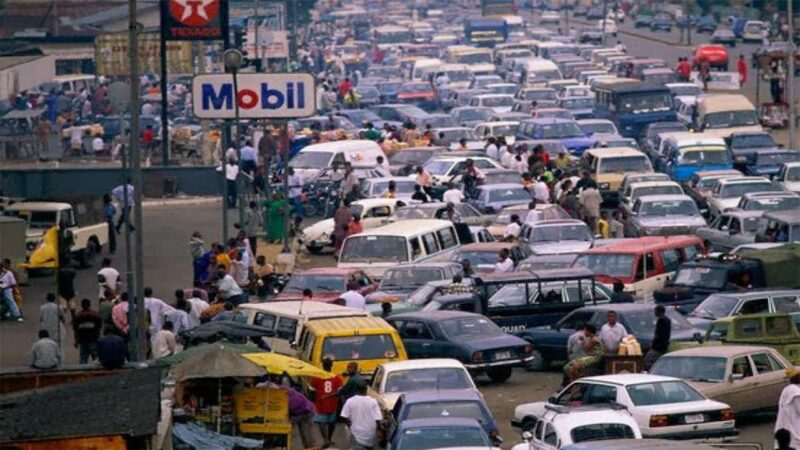
Today, the price of fuel has more than tripled. Transportation costs have gone through the roof. Inflation is galloping at levels not seen in decades. The naira has been battered, and with it, the dreams of millions who can no longer afford a bag of rice or pay school fees.
Yes, reforms were necessary. But there’s a thin line between bravery and recklessness. Tinubu’s economic decisions, while lauded by the IMF and World Bank, have crushed the everyday Nigerian. Is it really reform if it only serves the elite and foreign investors while leaving the masses in starvation?
Governance in the Shadows
Worse still is the perception that this administration is not only incompetent but also indifferent. At a time when citizens are tightening their belts, Tinubu formed the largest cabinet in Nigeria’s history—48 ministers. That’s not just tone-deaf; it’s insulting.
Meanwhile, corruption scandals are resurfacing with disturbing frequency, with little to no accountability. State institutions are weakened, democratic checks are ignored, and the average Nigerian is expected to “endure” for the sake of “long-term gains.”
How long must we endure? When over 130 million Nigerians are multi-dimensionally poor, when youth unemployment is driving an exodus of our best talents, when hospitals are underfunded and insecurity remains rampant—what future are we really building?
The Growing Storm
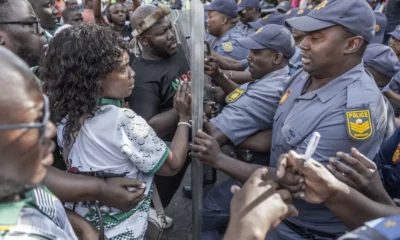
What we’re witnessing is a dangerous unraveling. Labor unions are restive. Protests are flaring. Desperation is rising. People are angry, hungry, and losing hope. If this administration doesn’t change course—and fast—it risks pushing Nigeria toward the brink of mass unrest.
Let’s be clear: this is not just an economic crisis. It’s a leadership crisis.
Tinubu promised renewed hope. What he’s delivering is widespread hardship wrapped in elite rhetoric. His administration’s refusal to listen, consult, or adapt has created a governance vacuum. In its place, we now see growing disillusionment, mistrust, and fear for what lies ahead.
The Path Forward
It’s not too late to change course—but time is running out.
The President must immediately roll out targeted economic reliefs, restructure his cabinet, invest in local production, and restore confidence in public institutions. He must remember that he governs not for boardrooms in Washington or Davos, but for the street vendors in Kano, the students in Ibadan, and the jobless graduates in Enugu.
Nigeria cannot afford another year of this kind of leadership. We’ve been here before—and the consequences were disastrous.
We are, quite literally, running out of time.
Jeff Okoroafor is a social accountability advocate and a political commentator focused on governance, accountability, and social justice in West Africa.