
Global Issues
Transnational Corruption Is Organized Theft in a Suit and Tie -By Fransiscus Nanga Roka
This should accelerate a difficult discussion. Corruption is more than just bad officials taking bribes. It involves transnational systems of transferring public suffering into private profits with astounding effectiveness. As looted funds get laundered via channels that look above board, the dividing line between criminality and propriety begins to fade. It is not a simple economic distortion. It is democratic corrosion. Citizens no longer trust their own governments, as well as the international order that professes to uphold rule of law but quietly cash in on impunity.

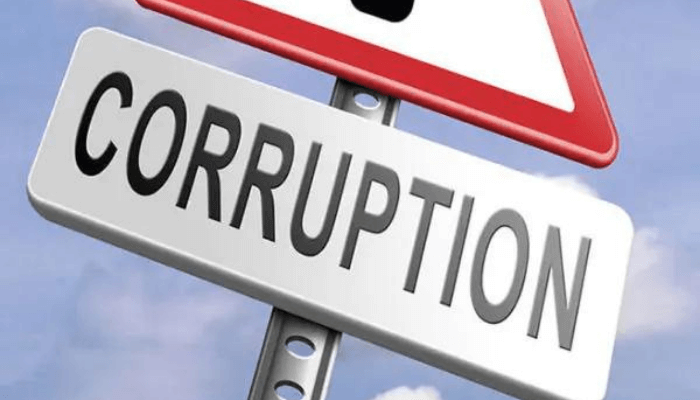
For too long, corruption has been treated like a mundane domestic governance problem, the regrettable defect of weak institutions, rotten cultures of accountability or flawed political leadership. That frame is not just insufficient anymore. It is dangerously false. Today’s corruption is transnational, professionalized and highly integrated into the international financial and legal system. It survives because no state intervenes to stop it. It persists because the very systems built to suppress and exploit it are actually designed with features that contain, shield even from challenge or critique for such purposes as public relations.
This is not petty bribery. This is robber in a suit and tie.
The cash seldom remains where it is theft. It moves. It sloshes across borders via shell companies, opaque trusts, expensive apartments and offshore accounts; however it travels through gold markets or fake procurement chains or upstanding financial institutions that favour plausible deniability over inquisitive scrutiny. Kleptocrats do not act alone. They depend on lawyers who devise secrecy, bankers that shift money around, consultants who provide distance, and jurisdictions marketing financial obscurity as a service. Corruption is for longer merely an abuse of public office. That is a model that works on the global scale
And that is why anti-corruption rhetoric sounds so good and does even less. Governments are condemning bribery, yet benefiting from the influx of filthy money to their real estate markets and banking system in silence. Financial centers honour transparency, while hawking the securities to render it unclear who owns what. If political leaders roundly condemn embezzled money abroad, they can seem oddly timid about cracking down on those who facilitate the laundering of that wealth at home. The hypocrisy is not incidental. It is structural.
The comforting fictional trope is that corruption is for the “others” fragile democracies, developing countries and dysfunctional bureaucratic states. However, grand corruption does not globalise by chance. It becomes global, because some high end tenuous destination always want what is looted from another place. Schools, hospitals and infrastructure that could have gone to but has been denied ordinary citizens in one country often return as penthouses, investment portfolios and evaporated assets in the other. Stealing in one jurisdiction and completing the legitimacy of the theft elsewhere.
This should accelerate a difficult discussion. Corruption is more than just bad officials taking bribes. It involves transnational systems of transferring public suffering into private profits with astounding effectiveness. As looted funds get laundered via channels that look above board, the dividing line between criminality and propriety begins to fade. It is not a simple economic distortion. It is democratic corrosion. Citizens no longer trust their own governments, as well as the international order that professes to uphold rule of law but quietly cash in on impunity.
And the costs are brutal. Corruption steals money from public budgets, undermines trust in democratic institutions and weakens health systems; it distorts elections and protects criminal groups. It can determine whether fragile states are stable or not. It acts from without as a fillip to legislate with unambiguous confidence in advanced capitalism states at its best even advancing true reforms and genuinely progressive change whilst (both by design and default) hollowing out legal credibility within. Each secret account, each anonymous company and every unaccounted-for mansion bought with offshore money points to the same conclusion: There is one system for everyday people and another for those rich enough to obscure themselves behind paperwork on a jurisdiction.
Only when we stop deceiving ourselves that gradual changes can suffice. This is not a situation that calls for punchier slogans with fancy hashtags. It needs confrontation. This means public beneficial ownership registries, gung ho cross border asset tracing with real punishment for the banks and law firms that help questionable transactions stay hidden, better protection of whistleblowers and international collaboration beyond a press conference or symbolic summit. Most importantly, it means understanding that corruption is not just the act of stealing public funds. It is also facilitated by the people who clean it, house it and legalize its afterlife.
Naturally, corruption is not the true scandal. It is that the most advanced institutions in our world still consider it a crime at someone else’s doorstep.
So long as dirty money can don the garb of legal propriety, systemic corruption will not be a pathology on the periphery of globalization. It will continue to be the hallmark feature of it.
Fransiscus Nanga Roka
Faculty of Law University 17 August 1945 Surabaya Indonesia





















You must be logged in to post a comment Login