Africa
Urging Politicians To Be Sincere In Making Electoral Promises As 2027 Beckons -By Isaac Asabor
Infrastructure development has also suffered from promise fatigue. Roads, railways, housing projects, and bridges are endlessly promised, often without continuity or completion. Projects are abandoned, revived, renamed, and recommissioned across administrations. A road started under one government becomes a campaign promise for the next, as though Nigerians have no memory.


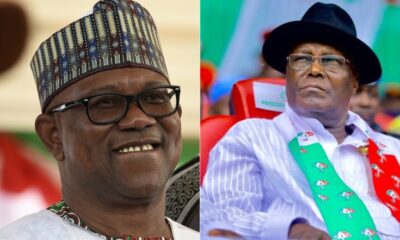
As Nigeria inches closer to the 2027 general elections, the familiar noise has started to return. Political alignments are shifting, consultations are intensifying, politicians are already campaigning; even if the whistle signaling electioneering has not being blown by the electoral umpire, INEC, and speeches are beginning to sound suspiciously familiar. Once again, Nigerians are being prepared for another round of promises. Big promises. Grand promises. Emotional promises. And for many citizens, a weary question hangs in the air: must we go through this cycle again?
Since Nigeria returned to democratic rule in 1999, electoral promises have followed a predictable pattern, lavish at the point of seeking votes, vague during governance, and conveniently forgotten after elections. Over the last two and a half decades, politicians across party lines have promised virtually everything a nation could desire. Yet, as 2027 approaches, the gap between promises made and promises kept remains painfully wide. This is why the moment demands something radical in Nigerian politics: sincerity.
Given the backdrop of the foregoing, it is germane to opine that Nigeria does not need more promises. It needs honest ones. This is as every election season since 1999 has been sold to Nigerians as a turning point. Each cycle is framed as a break from the past, a chance to “get it right at last.” But year after year, the same pledges are recycled, repackaged with new slogans and fresh faces. Power supply will be fixed. Security will improve. Jobs will be created. Corruption will be crushed. Roads will be built. Living costs will fall. Unity will be restored. Hope will return.
Unfortunately, twenty-six years later, Nigerians are still waiting. Take electricity, for instance. Few promises have been made more consistently, and broken more thoroughly, than the promise of stable power supply. From civilian administrations in the early 2000s to the present day, Nigerians have been assured that darkness would soon give way to light. Targets were announced. Reforms were launched. Sectors were privatized. Tariffs were adjusted. Yet power remains unreliable, expensive, and insufficient. Nigerians still power their homes and businesses with generators, solar panels, and inverters, private solutions to a public failure.
As 2027 approaches, politicians will once again promise to “fix power.” The question is not whether they will say it, but whether they will be honest about what fixing power actually requires, how long it will take, and what trade-offs are involved. Sincerity begins where fantasy ends.
Security is another area weighed down by decades of insincere promises. Every administration since 1999 has pledged to protect lives and property. Yet insecurity has grown in scope and complexity, from armed robbery and communal clashes to insurgency, banditry, kidnapping, and terrorism. What were once regional threats have become national anxieties. Highways are unsafe, rural communities are vulnerable, and farmers are afraid to farm.
Still, politicians continue to campaign as though security is a switch that can be flipped once elected. They speak in absolutes, promising to “end insecurity” without explaining strategy, capacity, or institutional reform. Sincerity would require leaders to stop pretending that security challenges can be solved with slogans rather than sustained, transparent policy execution.
The fight against corruption may be the most abused promise in Nigeria’s democratic journey. Every government claims to be fighting corruption harder than its predecessor. Anti-corruption agencies are showcased, arrests are publicized, and rhetoric is amplified. Yet corruption persists, often appearing more selective than systemic. What Nigerians observe is not the elimination of corruption but its politicization.
As 2027 beckons, politicians should resist the temptation to sell moral perfection. Nigerians do not expect saints; they expect systems that work. Sincerity would mean acknowledging institutional weaknesses, strengthening accountability mechanisms, and committing to transparency beyond campaign speeches.
Economic promises, too, demand a dose of honesty. For decades, Nigerians have been promised jobs, prosperity, and inclusive growth. Youth empowerment has become a campaign cliché, even as youth unemployment remains stubbornly high. Economic diversification has been promised repeatedly, yet dependence on oil revenues continues to define national vulnerability.
In every election cycle, job creation figures are thrown around with reckless ease. Millions of jobs are promised without credible pathways for achieving them. Sincerity would mean presenting realistic economic plans, admitting constraints, and setting measurable, time-bound goals that citizens can track and interrogate.
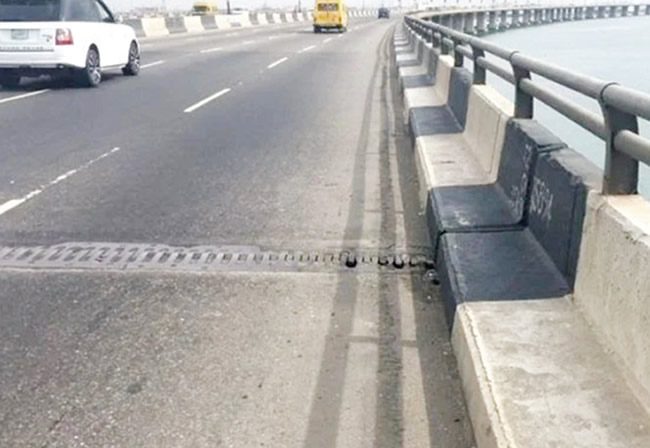
Infrastructure development has also suffered from promise fatigue. Roads, railways, housing projects, and bridges are endlessly promised, often without continuity or completion. Projects are abandoned, revived, renamed, and recommissioned across administrations. A road started under one government becomes a campaign promise for the next, as though Nigerians have no memory.
As 2027 approaches, sincerity would require politicians to stop using infrastructure as mere optics. Instead of endless flag-offs, Nigerians deserve leaders who commit to finishing what they start and maintaining what already exists.
Education and healthcare are no different. Politicians promise world-class schools and hospitals while public universities shut down due to strikes and teaching hospitals lack basic equipment. Leaders speak of reversing medical tourism while quietly seeking treatment abroad. They promise educational reform while classrooms remain overcrowded and underfunded. Take the hypocrisy of a former governor, now a minister in video recently circulated online asserting that he would never allow his children to study abroad because Nigerian institutions are sufficiently qualitative. However, the claim sits uneasily with the fact that the same minister later celebrated his son’s graduation from a foreign university.
These contradictions are not just policy failures; they are sincerity failures. A sincere politician does not promise what he or she has no intention, or capacity, to deliver.
In the final analysis, what Nigerians urgently need as 2027 approaches is not another recycling of grand promises or choreographed empathy, but sincerity and patriotism from those seeking elective office. The country is exhausted by politicians who say one thing on the campaign trail and do the opposite in power, who preach sacrifice to the masses while insulating their families from the very systems they supervise. Nigerians are watching more closely now, poorer, wiser, and less forgiving. Anyone aspiring to lead must speak honestly about what can and cannot be done, show genuine commitment to fixing Nigeria rather than looting it, and be prepared to live by the consequences of their own policies. Anything short of truthfulness, consistency and national interest over personal ambition will only deepen public distrust, and Nigeria can no longer afford that luxury.