
Football
Why Football Fans Treat Clubs Like Family -By Emmanuella Chekwubechukwu Udeh
In the end, football fans treat clubs like family because football offers something beyond entertainment. It gives people identity, belonging, emotional connection, tradition, and community. Through victories and failures, fans remain loyal because the club becomes part of their story. Long after players retire and seasons change, the bond between supporters and their clubs continues to live on.

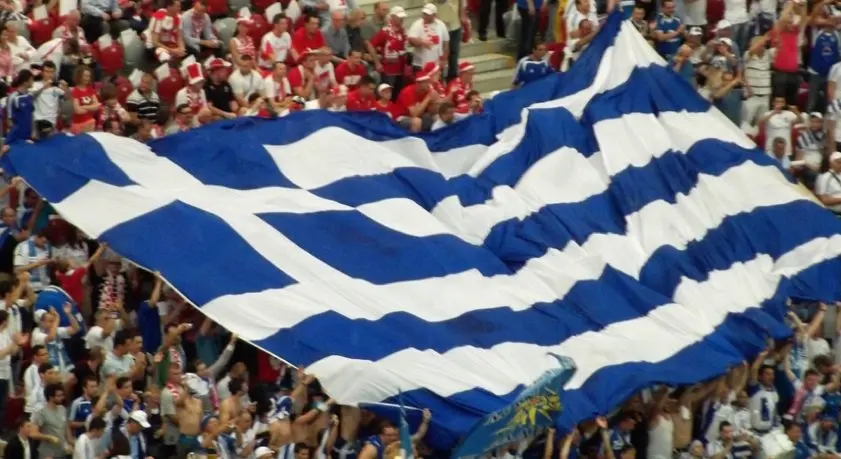
Football is more than just a game. For millions of people around the world, supporting a football club is a way of life. Fans celebrate victories like personal achievements and feel defeats like heartbreaks. Whether it is Manchester United, FC Bayern Munich, FC Barcelona, or any local club, supporters often describe their teams as “family.” This deep emotional connection is what makes football different from many other sports.
One reason fans treat clubs like family is loyalty. In real families, people stay together during good and bad times. Football supporters do the same. A club may go years without winning trophies, yet fans continue to fill stadiums, wear jerseys proudly, and defend their teams in conversations and online debates. The relationship is built on commitment, not success alone. Unlike temporary trends, football loyalty is often lifelong.
Football clubs also create a strong sense of identity. Many supporters inherit their clubs from parents or communities. A child who grows up in a home where everyone supports a certain team often continues the tradition. Match days become family gatherings filled with excitement, tension, and celebration. In many cities, clubs represent culture, history, and pride. Supporting a club becomes part of who a person is.
Another reason is the emotional connection football creates. Fans experience joy, pain, hope, anger, and excitement together. A last-minute goal can unite thousands of strangers in celebration. A painful loss can leave an entire city silent. These shared emotions create bonds among supporters, making them feel connected even if they have never met before. Football becomes a language that everyone understands.
The atmosphere in football also strengthens this family feeling. Stadium chants, club colors, traditions, and rivalries create a sense of belonging. Fans travel long distances to watch matches, spend money on tickets and merchandise, and dedicate time to following every update about their teams. These actions are not simply hobbies; they are acts of passion and devotion.
Social media has made this connection even stronger. Today, fans interact daily through online communities, match discussions, memes, and debates. A supporter in Nigeria can celebrate with fans in Germany, Spain, England, or Brazil instantly after a goal is scored. Football has become a global community where millions share the same emotions at the same moment.
However, this deep attachment can sometimes become extreme. Rivalries occasionally lead to insults, violence, or unhealthy obsession. Some fans become emotionally affected by results to the point where it influences their daily lives. This shows just how powerful football loyalty can be. While passion is part of football culture, respect for other clubs and supporters remains important.
In the end, football fans treat clubs like family because football offers something beyond entertainment. It gives people identity, belonging, emotional connection, tradition, and community. Through victories and failures, fans remain loyal because the club becomes part of their story. Long after players retire and seasons change, the bond between supporters and their clubs continues to live on.
Emmanuella Chekwubechukwu Udeh
Department of Mass Communication
University of Maiduguri, Borno State.

























You must be logged in to post a comment Login