Forgotten Dairies
A Call For United African Front On Slavery and Reparations -By Princess Yanney
Long before independence, the transatlantic slave trade had already stripped the continent of people, skills and social stability, creating permanent demographic and developmental damage. Colonial rule then consolidated this destruction into a durable global structure of inequality. Which is why today’s fight, today’s struggle is of outmost importance. It is a correction of an historical inhumane error. One that has to be amended and corrected, beginning with recognition.

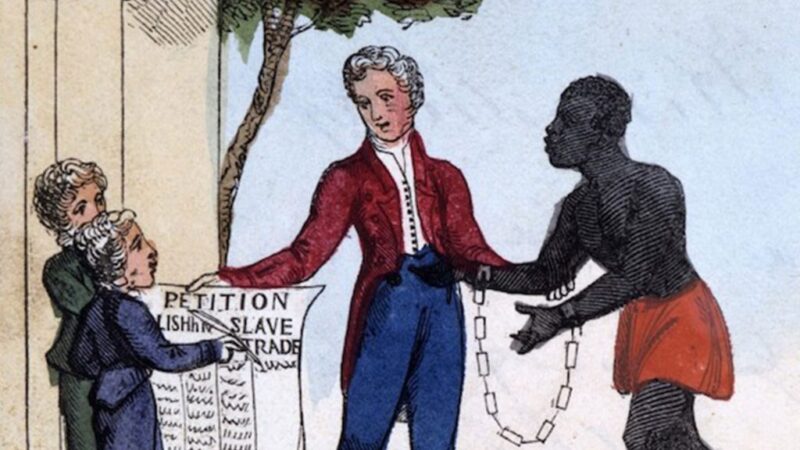
One message stood out, one particular briefing gave clarity and hope for better days ahead. Africa, will be heard; willingly or unwillingly and the resolution thereof, will no longer be a hope for years to come, but a reality to actualise.At a press conference during the 39th AU Summit in Addis Ababa, Ghana’s President John Dramani Mahama urged African leaders to adopt a common continental strategy on the legacy of slavery and racialised chattel enslavement, which he described as “the gravest crime against humanity.”
In this context, one must understand; Reparations matter because colonialism was not simply an episode of foreign rule. It was an economic system. African land was seized, labour was coerced, institutions were reshaped to serve external interests and entire economies were redesigned around the export of raw materials.
Long before independence, the transatlantic slave trade had already stripped the continent of people, skills and social stability, creating permanent demographic and developmental damage. Colonial rule then consolidated this destruction into a durable global structure of inequality.
President Mahama explained that Ghana’s proposed AU resolution, which received broad support from member states, was carefully drafted with extensive consultations involving the AU Committee of Experts on Reparations, legal experts, academic institutions and diaspora organisations. He said the resolution’s wording was deliberately chosen to reflect historical accuracy, legal credibility, and moral clarity.
“Ghana has undertaken extensive consultations to strengthen the resolution. We’ve engaged with UNESCO, the Global Group of Experts on Reparations, the Pan-African Lawyers Union, academic institutions, the African Union Committee of Experts on Reparations and the African Union Legal Experts Reference Group. We hosted the inaugural joint meeting of the African Union Committee of Experts on Reparations and the African Union Legal Experts Reference Group in Accra earlier this month to further refine the text of the resolution. We also began engagement with the diaspora at the Ghana Diaspora Summit held in December last year.”
Hence, come March 25, the resolution will be presented by one man, who will echo the voice of millions of African people and people of African descent. Because truly, a united Africa demanding reparations is not an Africa asking to be included in an unequal system but rather, an Africa asserting its right to help redesign it. President Mahama stressed that the initiative goes beyond symbolism, providing a legal and moral foundation for reparatory justice and sustained engagement with the global community. The resolution is designed to facilitate dialogue with the United Nations and international partners while affirming Africa’s demand for recognition and accountability for centuries of exploitation and injustice.
“Informal consultations on the draft text are expected to take place between 23rd February and 12th March 2026. Our objective is simple, to build a broad consensus behind this resolution. The initiative is not directed at any nation, it is directed towards truth, recognition and reconciliation.”
He reiterated. Truth is, A united Africa is a strong global force that can not be stopped or interrupted. But a divided Africa is an Africa liable to imperialism and western domination. It is therefore a priority for all African people to join hands and stand together to ensure the aims of these resolutions are achieved.
“We call upon all member states to support and co-sponsor this resolution. The adoption of this resolution will not erase history but it will acknowledge it. The trafficking in enslaved Africans and racialized chattel enslavement were foundational crimes that have shaped the modern world and their consequences continue to manifest in structural inequality, racial discrimination and economic disparity.
Recognition is not about division; it is about moral courage. Adoption of the resolution will not be the end. Following the adoption, Ghana will continue engagement with the United Nations Secretary General, the African Union Commission, relevant UN bodies and interested member states.”, said John Dramani Mahama as he called for unity.
The importance of today’s reparations consensus lies in its recognition that Africa’s underdevelopment is not an internal failure to be corrected through aid, reforms or external advice. It is the historical and continuing outcome of dispossession. Reparations therefore respond to a concrete injury, not an abstract moral wrong. Again, Reparations matter because colonialism was not simply an episode of foreign rule. It was an economic system. African land was seized, labour was coerced, institutions were reshaped to serve external interests and entire economies were redesigned around the export of raw materials.
Long before independence, the transatlantic slave trade had already stripped the continent of people, skills and social stability, creating permanent demographic and developmental damage. Colonial rule then consolidated this destruction into a durable global structure of inequality. Which is why today’s fight, today’s struggle is of outmost importance. It is a correction of an historical inhumane error. One that has to be amended and corrected, beginning with recognition.
“This is about a sustained dialogue on reparatory justice and healing. Distinguished ladies and gentlemen, this initiative presents us a historic opportunity, an opportunity to affirm the truth of our history, an opportunity to recognize the gravest injustice in human history, an opportunity to lay a stronger foundation for genuine reconciliation and equality. While the past cannot be undone, it can be acknowledged and acknowledgement is the first step towards justice.” – John Dramani Mahama expressed to the media and all who were gathered to witness the briefing under theme; “Ancestral Debt, Modern Justice: Africa’s United Case For Reparations”.
—