
Forgotten Dairies
Biosecurity Must Not Become a License for Injustice -By Ardhiana Nur Suryani
Finally, require digital records of the inspections and records of custody, testing and disposal that are kept in an auditable (experiences) access-controlled manner. Use blockchain if it can bring clearly proven benefits. But technology cannot redeem an unjust application of the rule, nor transform false evidence into truth.

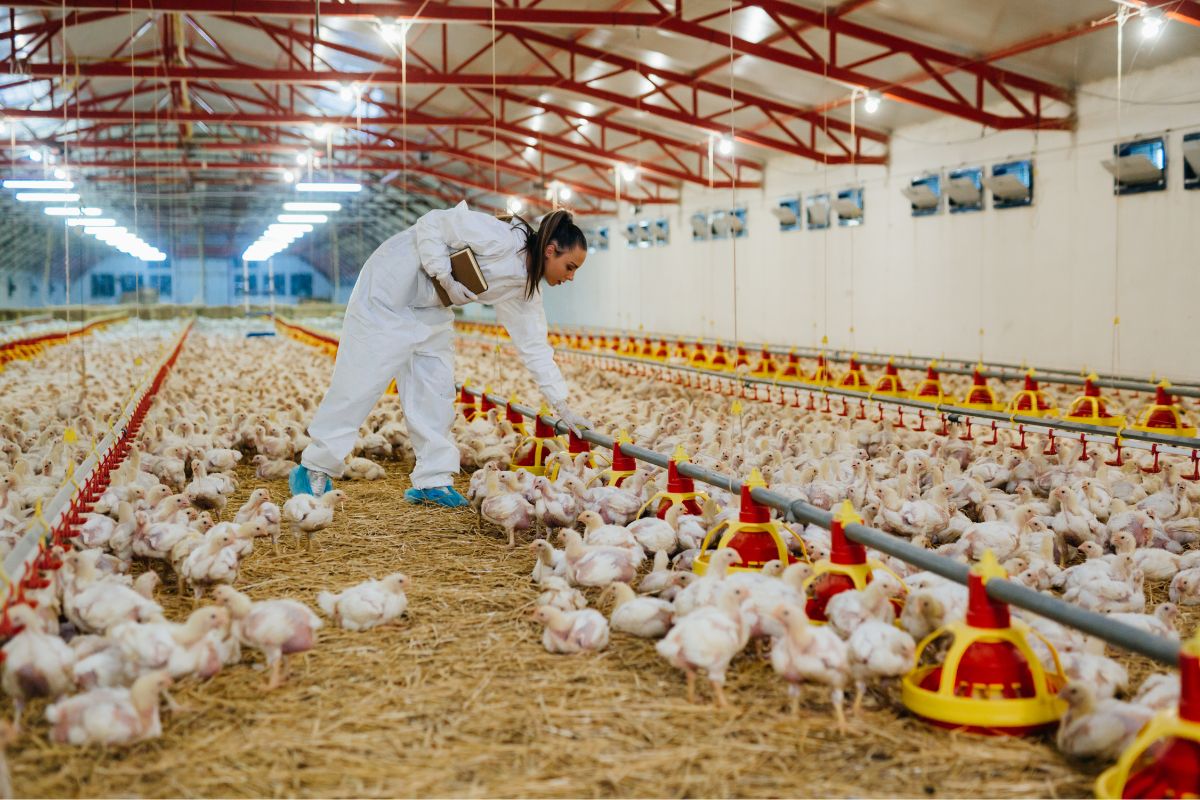
An industry can be saved by a government that throws a shipment down the drain. A government that without quasi-defensible causes, whittles it away might well be destroying a living and the public faith. Either possibility must be faced by Indonesia’s quarantine reform.
The most important final barrier to aggressive organisms threatening farms, fisheries, ecosystems and food supplies from entering the archipelago is the Indonesian Quarantine Agency (Barantin) at ports, airports and inter-island checkpoints. Its authority is indispensable. Exactly to ensure that those who fill that authority do not cause irreversible harm, signature limits must be binding.
This balance is prescribed due to Indonesia’s constitutional framework. Article 33(3) relates state control over natural resources to public prosperity; Article 28H(4) safeguards private property from arbitrary deprivation. The former must never serve as a blank check to trump the latter.
Legal basis: Law No. 21/2019 has embedded justice, science-based, necessity and notably principles of minimum impact and transparency. The difficulty lies in converting those commitments into decisions that owners can comprehend and contest before their land erodes away.
Legal precision is essential. Under Article 71, specifically designated carrier materials whose owners are not known or cannot be located, or that other agencies relinquish remain subject to inspection criteria. State control under that provision is not to be hand-waved into detention, destruction or mandatory transfer of title. Each one will need its own legal justification.
The hardest distributive question: loss. Owners bear destruction costs under Article 48(3), and compensation for destruction is barred under its express terms. That rule deserves to be examined with the tools of legislation: how do we separate culpable noncompliance, official error and exceptional sacrifices forced on compliant owners for the common good?
It is not safe to ship filthy goods in the name of good faith. However, public protection should neither be an excuse to escape accountability for unlawful rulings.
Indonesia needs to rein in the reigns of reform now, with Parliament and simultaneously through a series coordinated efforts between the government and Barantin.
First, define the powers precisely. Distinct and temporary custody, designation of state-control, rejection, destruction and any title transfer. Find out the responsible institution at every stage. In context also to owners, the issuance of binding timelines for officials in making successful deliveries and extendable upon providing relevant reasons regarding why they should be allowed more time.
Second: Opening up evidence so that it can be accessed and challenged. The legal basis, pertinent laboratory results, and sampling logs and rationales for uncertainty should be provided to owners. Accredited independent retesting should be undertaken, where safe and practicable. SME/Small Operators As More Than A Right Or Access? Not Barriers, Affordable Accessibility
Third, exercise proportionality in avoidable delay Where such alternatives can appropriately manage the risk, authorities should consider whether treatment, isolation or lawful re-export are appropriate before destruction. You might have to destroy a ticking biological weapon within the hour. They must be recorded reasons, evidence retained where it is safe to do so and the exception should encourage timely follow-up.
Fourth, set up fast independent administrative oversight that is linked to judicial review. A dedicated peer-review panel might unify the two legal and scientific. It needs to be kept from turning into a second expensive bureaucracy. If it is at all possible to safely contain destruction, then suspension of destruction should not operate automatically.
Fifth, legislate differentiated financial remedies. Settle any successful illegal action and consider separately sourcing compensation for those owners required to weather exceptional emergency losses. Pronounce on the criteria for eligibility publish, methods for valuation and safeguards against fraud.
Finally, require digital records of the inspections and records of custody, testing and disposal that are kept in an auditable (experiences) access-controlled manner. Use blockchain if it can bring clearly proven benefits. But technology cannot redeem an unjust application of the rule, nor transform false evidence into truth.
The challenge for reform is to ensure that Indonesia cannot rush through a dangerous shipment without thorough explanation, scrutiny or correction. Biosecurity protects the nation. Accountability prevents arbitrary force from abandoning protection.
Ardhiana Nur Suryani
Faculty of Law University 17 August 1945 Surabaya and Head of The Law Enforcement Team Indonesian Quarantine Agency



























You must be logged in to post a comment Login