
Africa
Can an Activist Become President in Nigeria? The Sowore Question in a Changing Democracy -By Daniel Nduka Okonkwo
If Sowore succeeds in expanding his movement beyond protest constituencies, bridging ethnic divides, articulating a pragmatic economic blueprint, and forging strategic alliances, his candidacy could evolve from symbolic resistance to credible contention.

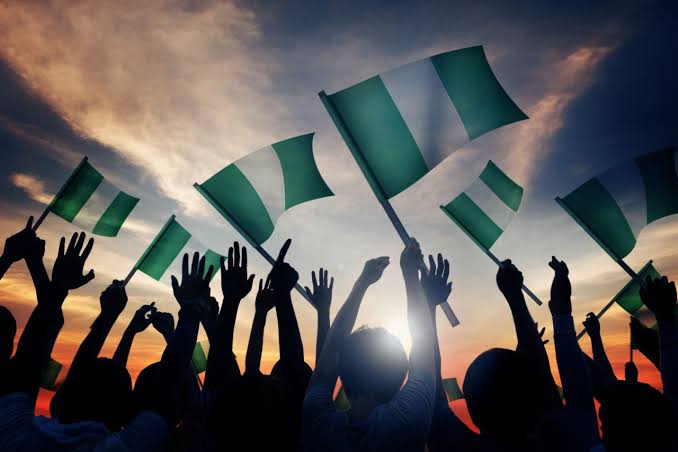
Nigeria’s political structure is complex and can distort the rules of elections. Corruption and vote buying persist, while outcomes are often influenced by party machinery, regional balancing, religious considerations, and entrenched patronage networks. Although youth demographics dominate the population, voter turnout among young Nigerians has historically lagged behind their numbers.
The larger question transcends Sowore himself: Are Nigerians ready to vote for a human rights activist as president?
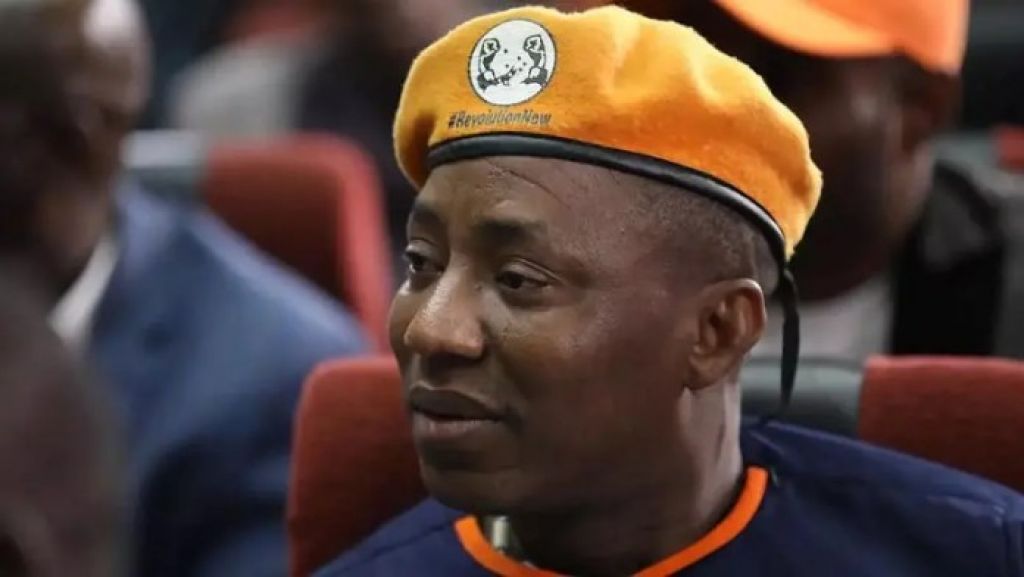
Omoyele Sowore is one of Nigeria’s most visible contemporary activists. For close to four decades, he has positioned himself at the forefront of pro-democracy campaigns, anti-corruption advocacy, and citizen journalism. As a journalist and civic mobiliser, his approach has been marked by direct action, courtroom battles, and an unfiltered use of digital platforms to challenge perceived state oppression.
Unlike some activists accused of aligning with political patrons or operating non-governmental organisations primarily for funding survival, Sowore has cultivated an image of ideological consistency. His supporters argue that his activism does not discriminate along partisan lines and that he resists co-option by elite interests.
Sowore’s strengths lie in his visibility, courage, and consistency. His years of confrontation with authority have earned him recognition among civil society networks at home and abroad. He appeals to voters disillusioned with elite recycling and transactional politics.
History offers compelling examples of human rights activists who rose from protest movements to the highest political office in their countries. Nelson Mandela, after 27 years as a prisoner of conscience, became South Africa’s first democratically elected Black president in 1994, dismantling apartheid and championing reconciliation. In South Korea, Kim Dae-jung survived assassination attempts and imprisonment for resisting authoritarian rule before becoming president from 1998 to 2003 and later receiving the Nobel Peace Prize. In Liberia, Ellen Johnson Sirleaf, a longtime advocate for democracy and women’s rights, emerged as Africa’s first elected female head of state in 2006. In Central Europe, Václav Havel, a leading voice in Charter 77, became president after the peaceful Velvet Revolution.
Each of these leaders transformed moral authority earned through activism into political legitimacy at the ballot box. Their journeys raise a provocative question in Nigeria: could a human rights activist follow a similar path to Aso Rock, and are Nigerians ready to elect one?
Human rights in the modern era are defined as universal, inalienable, and indivisible, principles enshrined in the 1948 Universal Declaration of Human Rights. However, the terrain has evolved. Beyond classic civil and political liberties, today’s human rights discourse grapples with digital privacy, environmental sustainability, refugee protection, and socio-economic rights such as health, work, and education.
In countries where governance gaps persist, activists often emerge as the conscience of the nation. Nigeria, Africa’s largest democracy by population, is no exception. Decades of military rule, endemic corruption, insecurity, and economic inequality have nurtured a vibrant civil society and, at times, deep public frustration.
However, activism and governance are distinct terrains. Protest politics thrives on confrontation, while statecraft demands coalition building, compromise, and institutional management. The question is whether Sowore can convert moral clarity into administrative competence and electoral viability.
His potential path to the presidency would likely hinge on several strategic pillars. First, he would need to build beyond activist circles into rural communities and informal economies where political structures are deeply entrenched. Second, he must focus on issues that resonate with younger Nigerians, including security, job creation, entrepreneurship, and digital innovation. Third, collaboration with opposition figures or reform-minded blocs could present a united front capable of challenging dominant parties. Finally, leveraging social media to bypass traditional political gatekeepers and communicate directly with voters would remain central to his strategy.
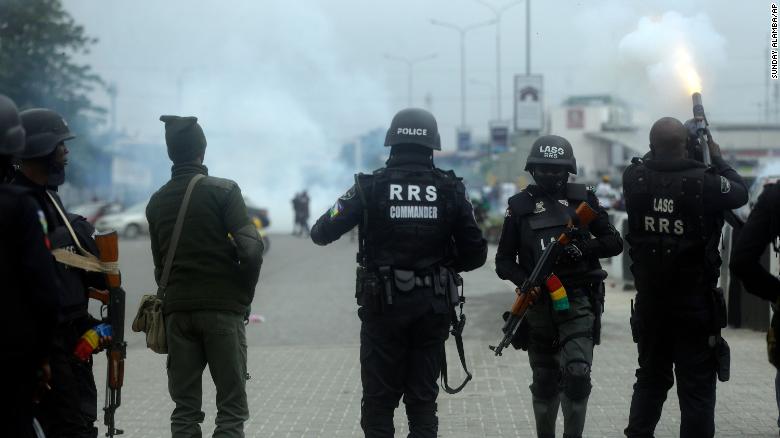
Nigeria has witnessed the power of youth-led digital movements, notably during nationwide protests against police brutality. Yet translating online activism into electoral victory remains an untested equation.
The challenges are equally evident. Nigeria’s politics rewards broad alliances and financial muscle. Electoral campaigns require vast logistical resources, and political narratives often revolve around regional identity and religious balancing, factors that may dilute activist messaging. Furthermore, critics question whether relentless opposition rhetoric can transition into inclusive governance capable of uniting Nigeria’s diverse federation.
The global precedents of Mandela, Kim Dae-jung, Sirleaf, and Havel emerged from contexts of national crises in which public yearning for moral leadership overrode traditional political hierarchies. Nigeria faces its own crises, including economic strain, insecurity, and institutional distrust, but its democracy remains structurally competitive, with entrenched party systems.
For a generation raised in the digital age and weary of corruption scandals, an activist candidacy may resonate as a break from the past. Yet electoral readiness requires more than admiration. It demands voter registration, turnout, and coalition consensus.
If Sowore succeeds in expanding his movement beyond protest constituencies, bridging ethnic divides, articulating a pragmatic economic blueprint, and forging strategic alliances, his candidacy could evolve from symbolic resistance to credible contention.
Whether this generation will vote for him ultimately depends on its willingness to shift from online solidarity to ballot box commitment. Nigeria’s democratic maturity may soon be tested by whether moral activism can transform into governing authority.
History shows it is possible. The question for Nigeria is not whether activists can lead, but whether the electorate believes that the fight for rights can transition into the responsibility of power.
Daniel Nduka Okonkwo is a Nigerian investigative journalist and publisher of Profiles International Human Rights Advocate. He is a policy analyst whose work focuses on governance, institutional accountability, and political power. He is also a human rights advocate and journalist. His reporting and analysis have appeared in Sahara Reporters, African Defence Forum, Daily Intel Newspapers, Opinion Nigeria, African Angle, and other international media platforms. He writes from Nigeria and can be reached at dan.okonkwo.73@gmail.com.















You must be logged in to post a comment Login