
Forgotten Dairies
Indonesia Celebrates Pancasila While Corruption Devours the Rule of Law -By Fransiscus Nanga Roka
This would be terrible enough, of course, yet the greatest danger is not just a lost economic one. It is civic corrosion. Corruption undermines confidence, and it is on this foundation that a republic stands; the invisible scaffolding of any civilization. If citizens make it up to the elites and down against ordinary people that all important consideration leads Legality itself into suspect. It is by then when patriotism turns to cynicism, and public virtue becomes mere fodder for official acts at monuments.

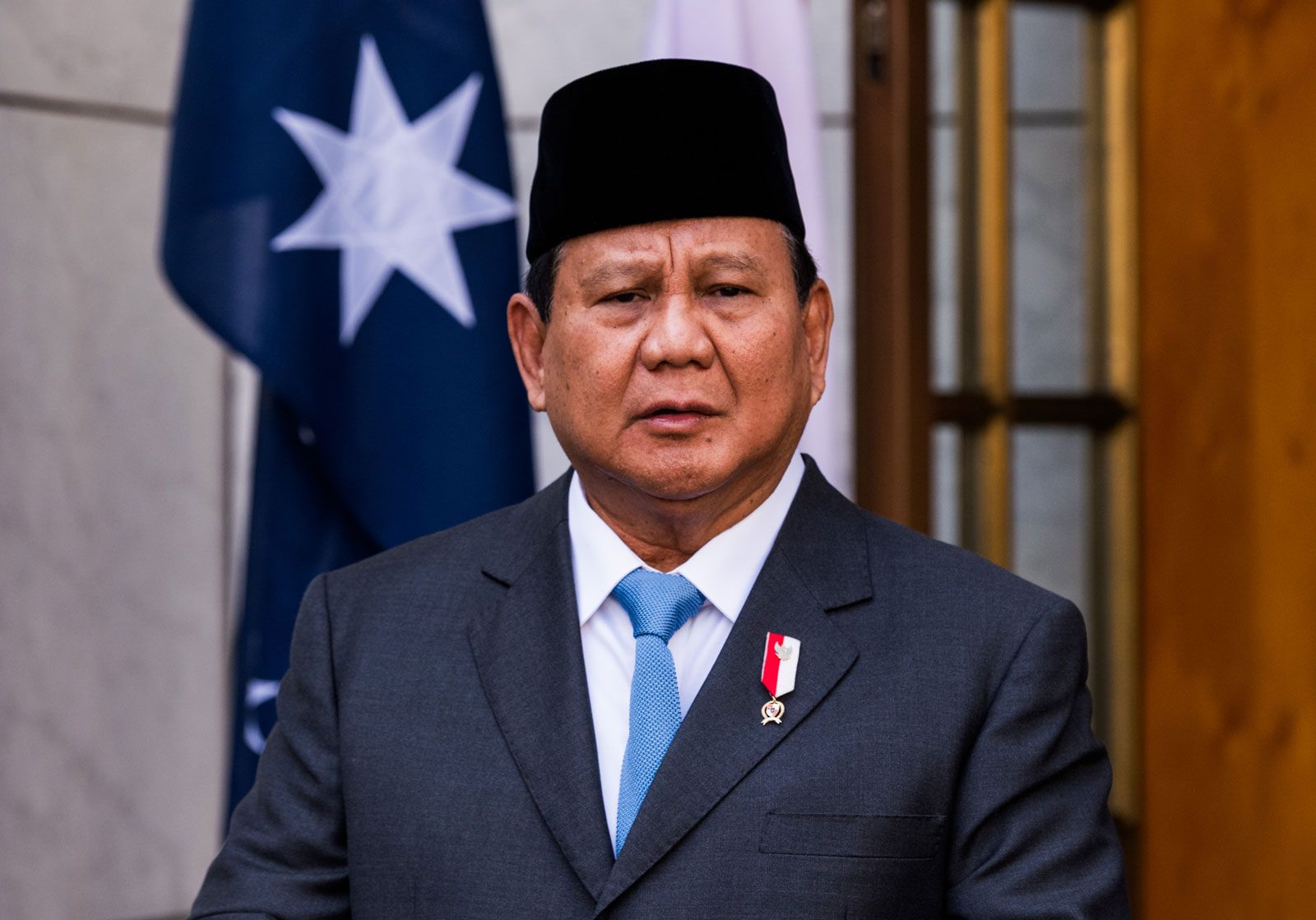
Indonesia officially celebrates its devotion to Pancasila, the catch-all state philosophy that pledges justice and humanity in life. unity democracy social welfare; every June 1st like clockwork. That ceremony in 2026 has the feel of a national denial, not a civic reaffirmation. How can a nation exalt moral ideals when corruption continues to consume the very core of what makes this republic even functional?
The contradiction is brutal. Pancasila is ever referred to as the spirit of the nation while its institutions intended for that defend public ethics are undermined, confined and politically domesticated. In virtue signalling, sound still echoes; in the machinery of accountability, it grows fainter. What Indonesia now risks creating is not a Pancasila-inspired rule of law state, but instead another kind of ceremonial protection for impunity, one that looks to Pancasila as its momentarily useful text.
That is the true scandal of modern Indonesia: corruption has stopped being a crime against state finance. That is now a crime against the meaning of this Constitution. It robs democracy of meaning, makes public office a private entitlement and teaches citizens that law is not the sword of the many but another tool wielded by those already in power. Corruption is systemic, the constitution exists on paper but justice no longer has a place in public life.
Which is then why that Pancasila Day celebration now sounds more and more like a bitter irony each passing year ago. The state calls on citizens to respect high minded ideals, while so many of them witness elite corruption met with reluctance or inconsistency and a certain strategic gentleness. The public is left receiving a devastatingly clear message: language of right and wrong are for rituals; legal loopholes, power.
Indonesia’s fight against corruption was one of the most compelling democratic stories in the Global South. There was a time when the country could at least claim, imperfectly, that it was in the process of establishing some institutions prepared to deal with systemic abuse. That promise has eroded. The anti-corruption agenda has now become less a mission for the nation and more of an arena in which reform is allowed but only as long as it does not endanger too seriously those at the pinnacle.
This is not just the fall of an institution but also a moral collapse. A state that fears corrupt networks more than it is scared of public distrust is a state abandoning its own philosophical foundations. Pancasila without the bravery of law enforcement cannot be called a national ideology. It is political theater.
Those defending this dilution will argue Indonesia still has laws, courts and judges, prosecutors working in the formal arena or police wielded as a weapon of political repression no less. However, authoritarian legality has always occurred in the shadows of protocol. The question is not do you have the institutions, but can they act independently and without fear or compromise of selectivity against power? The rule of law becomes an empty costume wherever the enforcement is softened, delayed, diluted or politically filtered letting justice slide into corruption.
But this is important far beyond domestic politics. The implication is that Indonesia would be no marginal, secondary state. As one of the enormous democracies in the world, Southeast Asia’s largest economy, and a nation seeking international legitimacy as moderate power with domestic stability. Yet no country can hope to bestow itself on the world as a democratic, tolerant and rules-based society while abroad; not when corruption is slowly but surely eating away at what it means for law to hold authority within. Image cannot indefinitely defeat reality.
This would be terrible enough, of course, yet the greatest danger is not just a lost economic one. It is civic corrosion. Corruption undermines confidence, and it is on this foundation that a republic stands; the invisible scaffolding of any civilization. If citizens make it up to the elites and down against ordinary people that all important consideration leads Legality itself into suspect. It is by then when patriotism turns to cynicism, and public virtue becomes mere fodder for official acts at monuments.
Thus, June 1 should be asked a more difficult question than whether Pancasila still recalls. So the real question becomes is Pancasila still being adheredit. What is not honored in being a philosophy of justice, mocked and spat upon by corrupt governance, it has been betrayed.
The only way Pancasila will mean something in 2026, is through being freed from ceremony back to enforcement. It must exist in prosecutions and judicial courage, institutional independence, and impartial accountability. Otherwise every flag hoisted in its name will be an incision not of the republics’ honor but further erosion of a state commending itself for virtue as corruption devours law.
Fransiscus Nanga Roka
Faculty of Law University 17 August 1945 Surabaya Indonesia
























You must be logged in to post a comment Login