Africa
Cell For A Reason: The Cell Phone -By Kator Ifyalem
The smartphone is both a key and a cage. It grants access to knowledge, connection, and opportunity, yet it can also confine us in cycles of distraction, anxiety, and isolation. The challenge is not to smash the cell, but to master it-to use technology as a tool, not a tether.

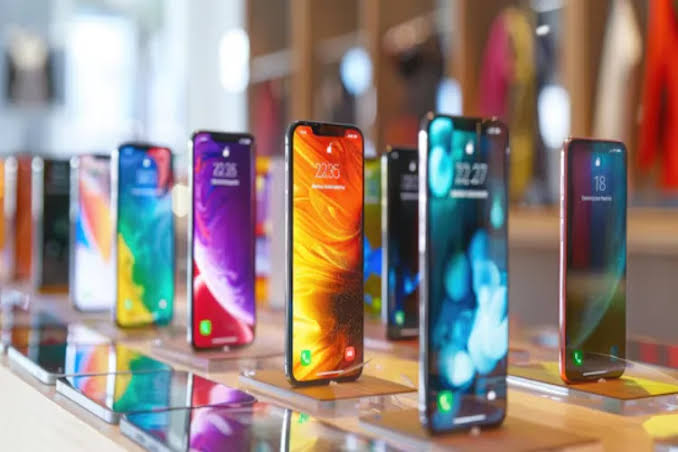
This is the age of “content creation”, everything is “content”, we are in a prison.
The word “cell” conjures images of confinement, steel bars, and the loss of freedom. Yet, in the palm of our hands, we cradle another kind of “cell”-the cell phone – supposedly a tool of liberation, now increasingly likened to a digital prison. The irony is striking: what was designed to connect us to the world may be walling us off from ourselves and each other. As smartphones become ever more entwined with daily life, their power to shape, and sometimes shackle our minds, bodies, and societies has never been greater.
The Ubiquity of the Digital Cell
In 2024, global smartphone penetration had reached unprecedented heights. Over 6.9 billion people, nearly 86% of the world’s population owned a smartphone, with usage rates nearing saturation in developed economies and rapidly climbing in emerging markets. Demographically, adoption is highest among those aged 16-34, but even older adults and children are increasingly ensnared by the digital net.
Average Daily Screen Time: The global average hovers around 4.8 hours per day, with some regions, such as Southeast Asia and the Middle East, reporting figures exceeding 5.5 hours.
Addiction Prevalence: Recent studies estimate that 39% of users worldwide exhibit signs of problematic smartphone use or behavioural addiction, with the highest rates among teenagers and young adults.
Regional Variations: While North America and Western Europe lead in device ownership, countries in East Asia and South America show the highest daily engagement, often driven by social media and messaging platforms.
These statistics highlights the pervasiveness of smartphones, and their deep integration into our daily lives, a digital cell, ever present and inescapable.
The Mind in Chains
Dopamine-Driven Addiction Cycles: Smartphones are engineered to exploit the brain’s reward systems. Every notification, like, and message triggers a dopamine release, reinforcing compulsive checking and scrolling. This “variable reward” system akin to slot machines creates powerful behavioural loops that are difficult to break.
“The smartphone is a portable dopamine dispenser,” notes Dr. Anna Lembke, a psychiatrist at Stanford University. “We’re not just using our phones; they’re using us.”
Social Media Dependency and FOMO: Platforms like Instagram, TikTok, and Facebook foster dependency through social validation and the fear of missing out (FOMO). The constant stream of curated lives and breaking news keeps users perpetually on edge, anxious not to be left behind.
Attention Span Deterioration: Research shows that average attention spans have shrunk from 12 seconds in 2000 to just 8 seconds in 2024, a decline attributed largely to digital multitasking and the rapid fire nature of smartphone interactions.
Sleep Disruption: Blue light emitted from screens disrupts circadian rhythms, delaying sleep onset and reducing sleep quality. Over 60% of adults report using their phones in bed, with a significant proportion experiencing insomnia or poor rest as a result. Perhaps I should add that, for this reason, I have had to visit an optometrist.
Compulsive Checking Behaviour: A 2023 global survey found that the average user checks their phone 96 times per day, once in every 10 minutes during waking hours. This compulsive behaviour is a hallmark of psychological captivity, where the device dictates your thought and action. A friend came visiting recently, his phone kept beeping and he checked the screen each time it beeped. I asked if he was expecting something. I was worried because we were trying to have a conversation but that obviously became a distraction.
The Body Behind Bars
Digital Eye Strain: Prolonged screen exposure leads to digital eye strain, characterized by dryness, blurred vision, and headaches. WHO has identified this as a growing public health issue, especially among youths.
“Text Neck” Syndrome: Hours hunched over screens have given rise to “text neck,” a repetitive strain injury causing chronic neck and shoulder pain. Orthopedic clinics report a surge in young patients with posture related complaints.
Sedentary Lifestyle: Smartphone use encourages sedentary behaviour, contributing to rising rates of obesity, cardiovascular disease, and metabolic disorders. The device anchors users to couches and chairs, therefore elimiting the “mobile” as intended.
Radiation Concerns: While research remains inconclusive, concerns persist about the long-term effects of electromagnetic radiation from smartphones, especially with 5G networks increasing exposure.
Repetitive Strain Injuries: Frequent texting and swiping is noted to cause tendonitis and carpal tunnel syndrome, ailments that were particularly reserved for office workers but now common among the digitally tethered.
Social and Societal Costs
Decline in Face-to-Face Communication: Multiple studies confirm that excessive smartphone use erodes face-to-face communication skills. Noncommunicative use scrolling, gaming, or passive consumption reduces the quantity and quality of in-person interactions, undermining empathy and social cohesion.
Relationship Deterioration: Phone addiction is a “toxic tunnel” that saps intimacy and presence in relationships. Partners report feeling neglected and resentful when devices intrude on shared moments, leading to a decline in both emotional and physical connection.
Public Safety Issues: Distracted driving and walking have become leading causes of accidents worldwide. Using phones while driving has been noted to triple the risk of a crash, prompting public awareness campaigns and stricter legislation from authorities in some countries.
Privacy Erosion and Surveillance Capitalism: Smartphones are gateways for unprecedented data collection. Every tap, location ping, and voice command feeds into vast surveillance networks, fueling targeted advertising and, in some cases, state surveillance. The erosion of privacy is a growing concern, with users often unaware of the extent to which their digital lives are monitored.
Digital Divides and Inequality: While smartphones connect billions, they also deepen divides. Access to high quality devices and reliable internet remains uneven, perpetuating educational and economic disparities. Those without access are increasingly marginalized in a world where digital participation is essential.
Digital Detox and Resistance
Growing Awareness: Movements advocating for digital detox and mindful technology use are gaining traction. Public health campaigns, school programs, and workplace initiatives encourage breaks from screens and promote digital well-being.
Minimalist Phone Trends: A new wave of minimalist smartphones such as the Light Phone III offers stripped down functionality, focusing on calls, texts, and essential utilities. These devices appeal to those seeking to reclaim attention and reduce digital distractions, reflecting a broader cultural shift toward simplicity and intentionality.
Tech Industry Whistleblowers: Insiders from major tech firms have exposed the deliberate design of addictive features and the willful neglect of user well-being. Whistleblowers from companies like Meta have testified about the harm caused by social media platforms, particularly to young users, spurring calls for greater accountability and regulation.
Screen Time Management Tools: A proliferation of screen time management apps such as Apple’s Screen Time, Google Family Link, and Qustodio empowers users and parents to set limits, monitor usage, and block distracting apps. These tools represent both a recognition of the problem and a step toward self-liberation.
Freedom Within the Cell
The smartphone is both a key and a cage. It grants access to knowledge, connection, and opportunity, yet it can also confine us in cycles of distraction, anxiety, and isolation. The challenge is not to smash the cell, but to master it-to use technology as a tool, not a tether.
“Technology is a useful servant but a dangerous master.” – Christian Lous Lange
The story of the cell phone is a story of liberation entwined with captivity, connection shadowed by isolation. The door to the digital cell is not locked, but opening it requires courage, intention, and a willingness to step into the world beyond the screen.