Forgotten Dairies
Chaos at Kaura Modern Market Easter Trade Fair Raises Questions Over Planning, Safety, and Accountability -By Daniel Nduka Okonkwo
If Abuja is to position itself as a modern hub for commerce and investment, events like the Kaura trade fair must reflect professionalism, safety, and value. Vendors should not have to choose between opportunity and security, nor should they be burdened with high participation costs without commensurate returns.

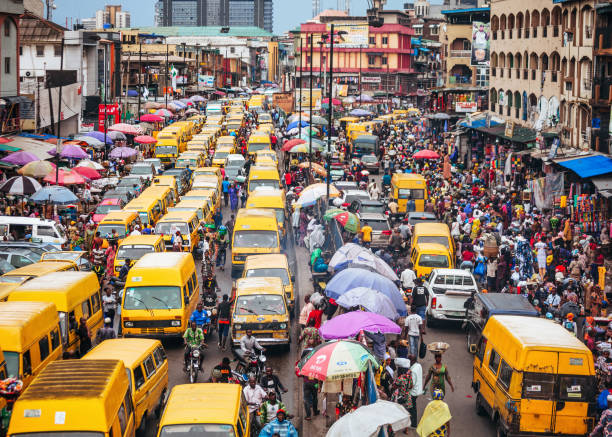
The ongoing Kaura Modern Market Trade Fair in Abuja, once envisioned as a vibrant platform to showcase enterprise and stimulate commerce, has instead become a troubling case study in poor planning, weak execution, and apparent disregard for the welfare of participating vendors.
Trade fairs, by global standards, are not casual gatherings. They are structured economic ecosystems that require deliberate planning, quality infrastructure, and proactive management. When properly executed, they serve as catalysts for business growth, investment attraction, and community engagement. However, recent developments at Kaura Modern Market suggest a stark departure from these principles.
Heavy rainfall accompanied by strong winds recently disrupted activities at the fair, but rather than being treated as an unavoidable natural occurrence, the incident has exposed deeper systemic failures. Vendors reported that canopies provided for the event were of substandard quality, poorly installed, and incapable of withstanding even moderate weather conditions.
Several participants described near-disastrous incidents. One trader recounted how a canopy nearly collapsed on her and her sister, forcing them to hurriedly evacuate their goods to avoid injury. Others reported damage to merchandise, including wig racks and retail equipment, attributing the losses to unstable metal frames and inadequate fittings.
Such accounts raise serious safety concerns. In any professionally organized trade fair, structural integrity and contingency planning are non-negotiable. The absence of these safeguards points to negligence rather than misfortune.
Beyond safety issues, vendors are expressing deep frustration over the financial burden imposed on them. Participants reportedly paid ₦40,000 to secure spaces at the fair, an amount many describe as significant, especially within the context of Nigeria’s current economic realities.
For small and medium-scale traders, this fee is far from trivial. It represents capital that could otherwise be invested in stock or business expansion. Comparisons have been drawn to previous editions of the trade fair, where organizers allegedly charged ₦30,000 while still providing better services, including functional canopies, sustained publicity, and live entertainment such as DJs over three weeks.
This year’s experience, according to several vendors, has fallen drastically short. Complaints of poor patronage, lack of awareness campaigns, and unfulfilled promises have compounded the sense of dissatisfaction. Some participants openly described the event as their “worst trade fair experience,” while others went as far as alleging that they felt “scammed.”
The backlash has not been limited to infrastructure and cost concerns. Vendors have also questioned the overall management of the event, accusing organizers of failing to adequately supervise installations and ensure quality control.
There are growing calls for accountability, with some traders demanding that the responsibility for organizing the trade fair be handed back to previous coordinators who, they claim, demonstrated greater competence and consistency.
One aggrieved participant warned that further action may be considered if the situation is not addressed, describing the current state of affairs as “injustice and unfair treatment” toward hardworking entrepreneurs striving to survive in a harsh economic climate.
The controversy surrounding the Kaura Modern Market Trade Fair extends beyond a single event. It underlines a recurring challenge in Nigeria’s informal and semi-formal commercial sectors: the gap between ambition and execution.
Institutions such as Abuja Market Management Limited, Abuja Investment Company Limited, and Berwick Nigeria Limited, when involved in initiatives of this scale, carry the responsibility of ensuring that standards are not only set but rigorously maintained. Anything less risks eroding trust, discouraging participation, and undermining the very purpose of trade fairs as engines of economic growth.
If Abuja is to position itself as a modern hub for commerce and investment, events like the Kaura trade fair must reflect professionalism, safety, and value. Vendors should not have to choose between opportunity and security, nor should they be burdened with high participation costs without commensurate returns.
The grievances emerging from this year’s fair are a clear signal: precision, accountability, and stakeholder respect are not optional; they are essential.
Until these principles are upheld, the promise of trade fairs as platforms for empowerment and economic advancement will remain unfulfilled.
#BerwickNigeriaLimited #AbujaInvestmentCompanyLimited #AbujaMarketManagementLimited #FCTMinister