National Issues
Cyberbullying And Responsible Expression In The Digital Age: A Call For Caution, Discipline, And Accountability -By Turaki Abdulhamid Yahya
Section 39(1) of the 1999 Constitution of the Federal Republic of Nigeria (as amended) guarantees every citizen the right to freedom of expression. This constitutional provision, however, does not grant license to insult, defame, threaten, or dehumanize others. Freedom of expression must be exercised within legal, moral, and ethical boundaries.

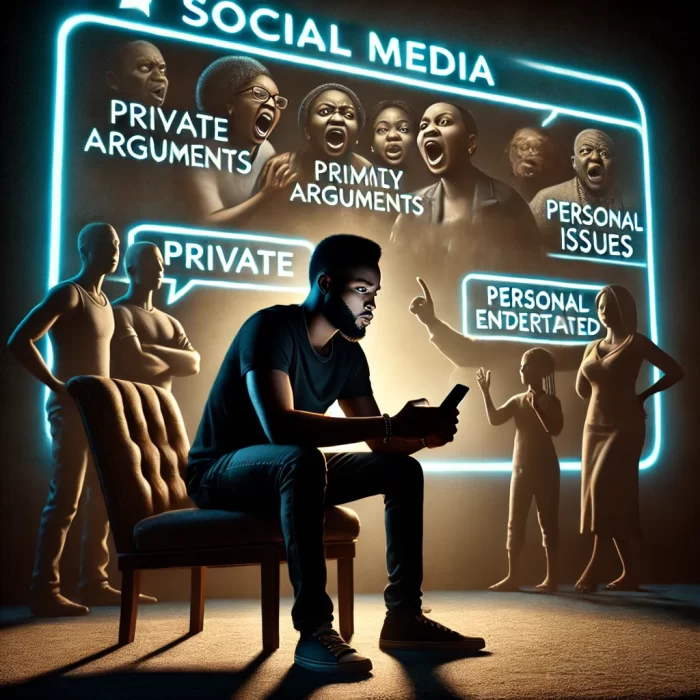
The rapid expansion of digital media and increased access to the internet have transformed communication, especially among young people. Social media platforms now serve as spaces for interaction, advocacy, and civic engagement. However, this same digital freedom has also given rise to a troubling trend: the increasing normalization of insults, harassment, and cyberbullying, often carried out under the guise of freedom of expression.
This article serves as a sincere advisory to young people, particularly active social media users; to exercise responsibility, restraint, and discipline in their online conduct.
Section 39(1) of the 1999 Constitution of the Federal Republic of Nigeria (as amended) guarantees every citizen the right to freedom of expression. This constitutional provision, however, does not grant license to insult, defame, threaten, or dehumanize others. Freedom of expression must be exercised within legal, moral, and ethical boundaries.
Cyberbullying is not merely a moral failing; it is a criminal offence under Nigerian law. The Cybercrimes (Prohibition, Prevention, etc.) Act, 2015 criminalizes online harassment, cyberstalking, threats, defamatory publications, and other abusive digital behaviors. Offenders may face; Heavy fines, Imprisonment, or Both, depending on the severity and nature of the offence.
The misconception that social media is a lawless space must be corrected. Digital actions leave traces, and legal accountability is real.
Beyond legal provisions, ethical standards also guide responsible expression. The Nigerian Code of Ethics for Journalists explicitly mandates practitioners to avoid hate speech, dangerous speech, and offensive expression. While these rules directly apply to journalists, they are equally relevant to citizens who actively produce and disseminate information online.
Every social media user, in effect, functions as a communicator whose words can influence opinions, reputations, and social harmony.
In some communities, cyberbullying has become increasingly common, often justified as activism or loyalty to political or personal interests. This trend is dangerous and counter productive. Advocacy rooted in abuse, blackmail, or online intimidation does not advance development; rather, it erodes trust, deepens divisions, and discourages constructive participation.
Young people must recognize that true activism is principled, issue-based, and respectful, not driven by insults or personal attacks.
For society to progress, criticism must be meaningful, objective, and evidence-based. Public discourse should encourage accountability without resorting to dehumanization. Insults silence dialogue, while constructive criticism strengthens institutions and social relationships.
Equally important is the recognition of human dignity. Every individual; public figure or private citizen has feelings, emotions, and a right to respect.
Conclusion
The digital space should be a platform for ideas, solutions, and informed debate, not a battlefield of abuse and cyberbullying. While freedom of expression remains a fundamental right, it must be exercised with responsibility, discipline, and respect for the law.
Young people, in particular, are urged to; Engage in responsible online communication, Uphold legal and ethical standards, and Promote dialogue that contributes to peace, unity, and development.
Saying NO to cyberbullying is not a limitation of freedom; it is a commitment to a more humane, lawful, and progressive digital society.
Turaki Abdulhamid Yahya, writes from the Department of Mass communication, Federal University Kashere, Gombe State.