Africa
Diversity in Disorder: Can Nigeria Harness Diversity Into its Greatest Strength? -By Justina Udeh
Diversity is all about embracing our differences and including people from all walks of life, including gender, social and economic backgrounds, religious beliefs. Promoting and encouraging diversity means to actively respect, appreciate, and empower people for who they are and let unity and peace lead.

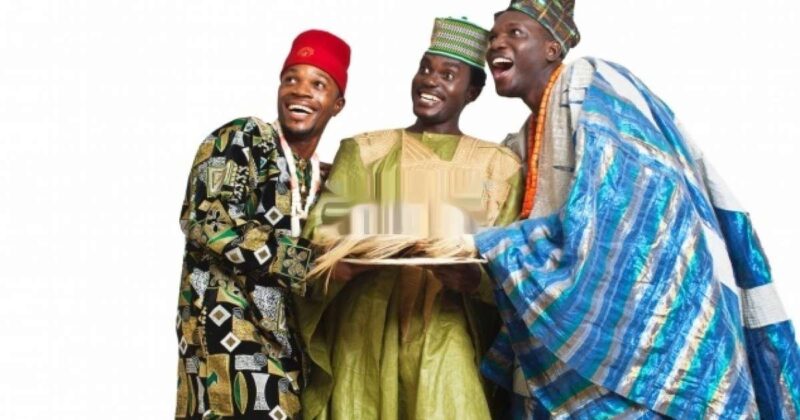
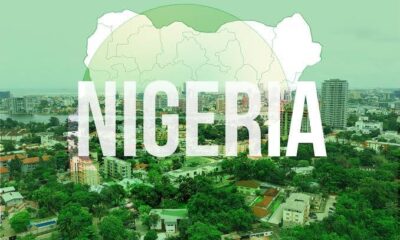
Nigeria is known with over 500 languages spoken across its territory with over 250 dialects and ethnic groups, with the population of over 203,452,505, massive population, vibrant culture, Nollywood film industry, influential Afrobeat music, rich resources, and world-renowned literary figures like Chinua Achebe. But do they still recognise their beauty of diversity, do we still practice the pillars of diversity; inclusion, equity, and belonging?
Meaning of diversity: Diversity is the focus on the appreciation and understanding for people with different backgrounds, cultures. Nations characterized by a wide range of cultural, ethnic, linguistic, and religious differences among their populations.
Nigeria wasn’t a single country before colonization but a collection of diverse independent kingdoms, empires, and caliphate that are unique, united, and had rich spiritual beliefs. Traditional religion was widely practiced with different ethnic groups having their own beliefs and deities, but colonization has left an indelible mark amongst Nigerian people and forever influenced the belief and political system of the people.
One reason why diversity has become something of a stereotype and internal struggles often experienced in Nigeria is religion and politics as there have been and there are still religious and political crises ongoing in the country. Being diverse doesn’t mean we kill ourselves.
Causes of diversity disorder:
1. Political exploration of differences: Elites and politicians often manipulate ethnic and religious identities to mobilize support, gain power, and secure access to resources, which exacerbate divisions and rivalry among groups. This leads to situation where loyalty is given more to ethnic groups than to the nation.
2. Inequality and uneven resources distribution: The perception and reality of marginalization and unequal access to state resources, employment opportunities, and infrastructure development create resentment and a sense of injustice among certain ethnic or religious groups. The struggle for control over economic resources often fuels conflict.
3. Ethnic political power struggles: Competition for political dominance and leadership positions among major ethnic groups and minority groups often leads to political instability and conflict.
Solution to the problem:
1. Retention of federalism: The present federal structure should be retained in order to maintain unity in diversity. However, Nigeria should evolve a political system in which every citizen has a good chance of holding the highest office of the land if he is qualified and fit regardless of his tribe or region. With this, true federalism will be ensured.
2. Stop competition among the both religion: The two religions should come together and unite in love.
3. Rotation of government: The presidential position in Nigeria should be rotated to create a sense of belonging amongst the citizens.
Diversity is all about embracing our differences and including people from all walks of life, including gender, social and economic backgrounds, religious beliefs. Promoting and encouraging diversity means to actively respect, appreciate, and empower people for who they are and let unity and peace lead.
Justina Udeh