Forgotten Dairies
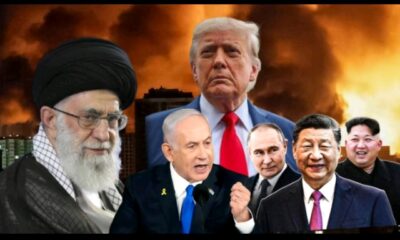
Ilmu Negara Dalam Perang Iran, Israel Dan Amerika Serikat -By Tomy Michael
Meanwhile, when a state is weak, legal demands from other states or international organizations will arise. Weakness ultimately creates new problems when internal issues cannot be resolved. Ultimately, the science of statecraft still provides real solutions. Although it always begins with classical thinking like Plato, ultimately, power remains. It’s worth studying Plato, even if each state ultimately chooses to be Judas Iscariot.

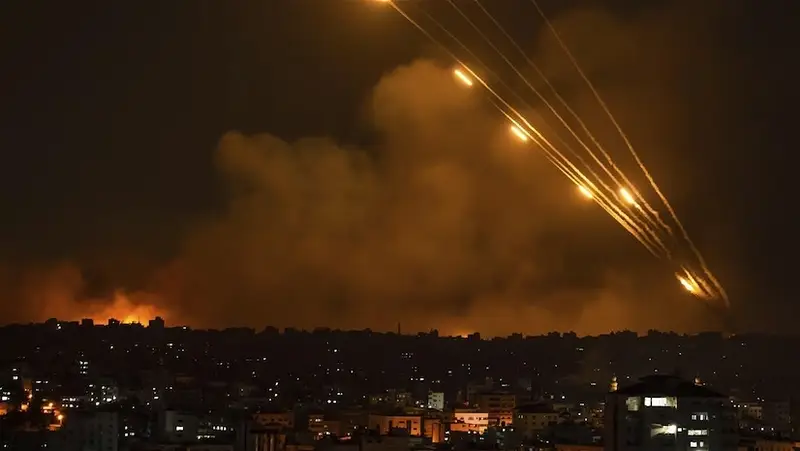
The form of state responsibility varies from time to time, but what if we imagine ourselves in the 1600s? As Indonesian citizens, the situation in Indonesia in the 1600s was synonymous with war, including the entry of the Dutch East India Company. If we were to reverse this, the Bubat War would ensue. This means that the state seems predestined to defend itself through war. War is not always about fighting external enemies, but rather about maintaining its authority against internal enemies. This behavior ultimately makes the state always ready to face any situation, including being ready to do anything to succeed. Public opinion is divided into many factions regarding the wars between Iran, Israel, and the United States. Hegemony of power is depicted as a leader’s masculinity against all perceived evil. This means that influence carries strong legitimacy for anyone.
When someone hates their leader, they will do anything to bring about change. So where does the science of statecraft fit into this scenario? Classically, war is the best course of action because it concerns pride, and surrender is the second option. The second option is because when surrender occurs, the country appears secure, but a power struggle ensues. The third option is to seek a coalition to garner strong support. Coalitions are interesting topics to discuss because they obscure the will of the people. Leaders tend to care for the coalition leader, while the public sees this as detrimental, leading to rejection that poses a serious threat. Ulrich Beck’s theory explains the impact of technology on a country. Initially, technology was a solution when the human brain was no longer able to function. The existence of technology was God’s answer, but humans were truly free to express themselves, resulting in technological dominance in every human mind. Technology carries risks, producing new discoveries that also contribute to the development of risk.
The risks, as explained by Ulrich Beck, are generated by a number of discoveries by scientists, who are essentially individuals or groups. The risks generated by these groups impact many people, even beyond the group itself. Furthermore, these risks also impact those not directly involved in the technology. This means that modernity also exerts influence, leading to skeptical questions: if a country could face war in the past, it can also resolve it now. Would a country, in its natural state, without the assistance of any other country, be able to address its problems? This might happen if there is very strong power diplomacy or the intrusion of ideology, leading to a state of emergency. Is it a good thing for its own people to celebrate the loss of their leader? There is ignorance and incompetence when people are happy that their leader has been destroyed by another country. The role of the state is previously invisible to that society, and the state continues to pose a threat to society. In such dynamics, a counterbalance must be found, namely nationalist or ultra-nationalist groups, because by doing so, the state’s territory remains intact. This superiority develops with the pleasure of being in power, leading to a lack of awareness of why one was once ultra-nationalist.
A strong state will avoid real accountability. Surrounding states will be reluctant to impose sanctions because they, too, are submissive and feel protected. Meanwhile, when a state is weak, legal demands from other states or international organizations will arise. Weakness ultimately creates new problems when internal issues cannot be resolved. Ultimately, the science of statecraft still provides real solutions. Although it always begins with classical thinking like Plato, ultimately, power remains. It’s worth studying Plato, even if each state ultimately chooses to be Judas Iscariot.
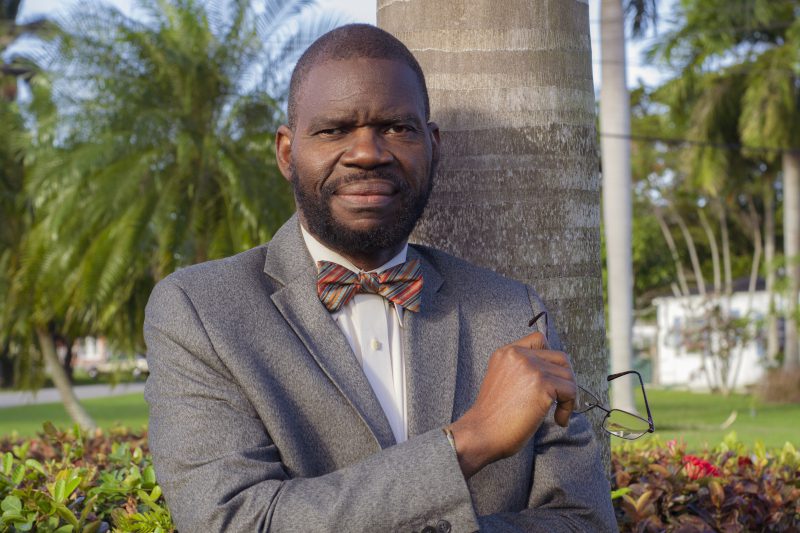
Tomy Michael is the Head of the Undergraduate Law Program at Universitas 17 Agustus 1945 Surabaya, Indonesia. He holds a doctorate in law from Brawijaya University and is interested in state studies and legal hermeneutics.



![Human rights groups are concerned about further arrests amid continuing raids in the occupied West Bank [File: Jaafar Ashtiyeh/AFP]](https://www.africansangle.com/wp-content/uploads/2023/10/Human-rights-groups-are-concerned-about-further-arrests-amid-continuing-raids-in-the-occupied-West-Bank.webp)