Connect with us

Global Issues

MAGA Talks Big, But Africa Is Not In The Discussion -By Hashim Yussuf Amao

To surmise, while Trump’s policies may have marginalized Africa, they have inadvertently highlighted the continent’s growing agency in the global arena. Africa is no longer a passive participant in the international system; it is an active player with the power to shape its own future. Whether the U.S. or any other nation likes it or not, Africa’s voice and influence will only continue to grow in the years to come.

Published

on

Donald Trump
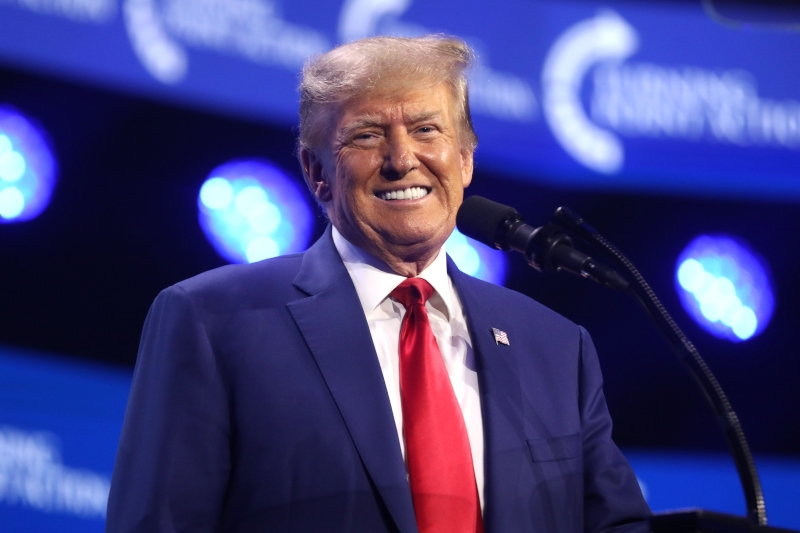
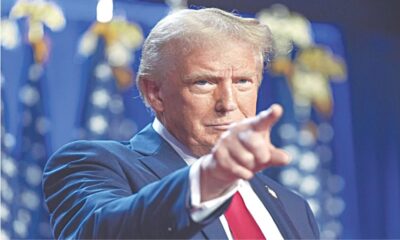
From not mentioning Africa in his presidential campaign, to not inviting any African leader to his inaugural ceremony, it’s quite obvious that Africa is not in the plans for Donald Trump’s MAGA vision. And just when we thought of giving him benefit of the doubt, BOOM, he cuts U.S. foreign aid like the USAid and crucial funding for HIV treatment in the continent. These actions clearly suggest that, for Trump, Africa holds little strategic or economic importance in his vision of “Make America Great Again.”
But before we hastily condemn his policies in a chorus of emotional indignation, I think it is important for us to take a step back and look at the broader picture. Although, Trump’s administration may have been dismissive of Africa, but the reality is that the continent’s relationship with global powers – like Russia and China – is evolving, which is something Trump is not pleased with. Look, realistically, Africa is no longer the neglected, dependent region it once was. In fact, many African nations now seem to prefer dealing with super powers like Russia and China, who have demonstrated more interest in engaging with Africa on equal and more considerable terms.
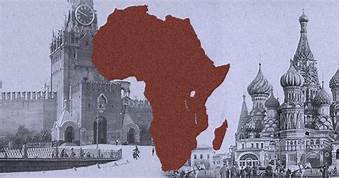
Africa on Red Square
China for instance has become a key player in Africa’s development. Its low-interest loans, investment in infrastructure, and commitment to non-interference in domestic affairs have won over many African governments. According to the China-Africa Research Initiative at Johns Hopkins University, China’s trade with Africa reached a staggering $165 billion in 2020, this and many other recent stats position China as Africa’s largest trading partner. China’s Belt and Road Initiative is well underway too, with more than 30 African countries now participating in projects aimed at improving transportation networks, energy production, and telecommunications. Matter-of-factly, China has built thousands of kilometers of roads, bridges, and railways across the African continent, yet all these have not stopped it from creating new trade corridors and boosting intra-African trade.
Russia’s influence in Africa too has also grown and we can’t even overemphasize that. Moscow has made significant inroads with several African nations, offering arms deals, military training, supporting energy projects and also siding Sahel countries against France dominance. In exchange, African countries have gained access to affordable military equipment and expertise in defense, as well as investments in natural resources. For instance, Russia has been instrumental in helping Sudan develop its oil sector while also increasing its presence in the Central African Republic, where it has helped train local security forces. This mutually beneficial relationship has allowed Russia to gain influence in a region historically dominated by Western powers.
These growing ties with China and Russia are not just about trade and military cooperation. They also reflect a shift in how African countries view their place in the world. Africa’s growing economic and political clout is a direct challenge to the long-held dominance of the United States and Europe in global affairs. This trend has become even more evident with the rise of BRICS (Brazil, Russia, India, China, and South Africa), an economic bloc that has become increasingly attractive to African nations and which is aimed at breaking the United State’s Dollar hegemony. The idea of joining BRICS is gaining momentum in Africa, with countries like Nigeria, Algeria, Egypt, and Senegal expressing interest in becoming full members. For Africa, BRICS represents an opportunity to engage with a group of nations that are more willing to treat them as equals and offer financial support without the strings attached that often come with Western aid.
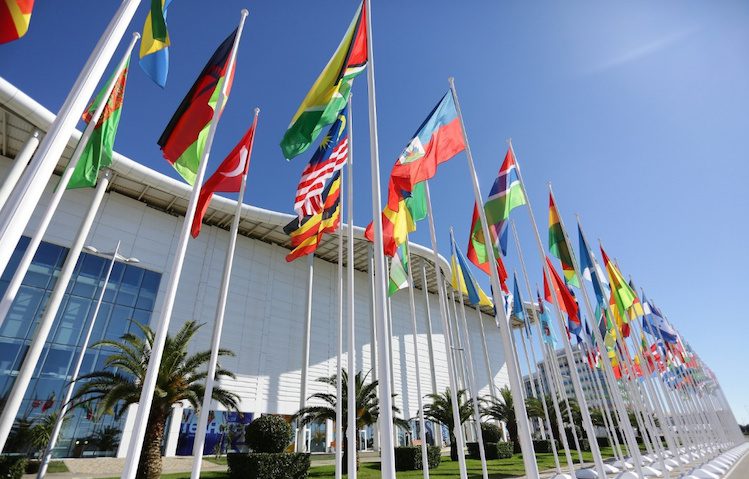
First Russia Africa Summit

First Russia Africa Summit

This shift towards a multipolar world where power is distributed among several global actors rather than concentrated in a single superpower, is a source of frustration for the United States. Under Trump’s “America First” banner, the U.S. has been trying to reinforce its hegemonic position in global politics, but the rise of China and Russia alongside Africa’s growing influence, is a significant headache for Washington. The United States which is historically the center of the global economic system now finds its dominance challenged by the very countries that it once sought to keep in check. The economic and diplomatic ties that China and Russia have built with Africa are seen as a direct threat to U.S. interests, particularly in terms of access to resources and markets.
The U.S. has long used its influence in international financial institutions like the World Bank and the International Monetary Fund to maintain control over the global economy. But the increasing alignment of African nations with BRICS represents a challenge to this system. BRICS’s emphasis on a more equitable global economic order, where emerging economies have a greater say in the decision-making process, is gaining traction. This is not just an inconvenience for the U.S; it threatens to undermine the very foundations of American global leadership, particularly as the world moves towards a more multipolar economic system.
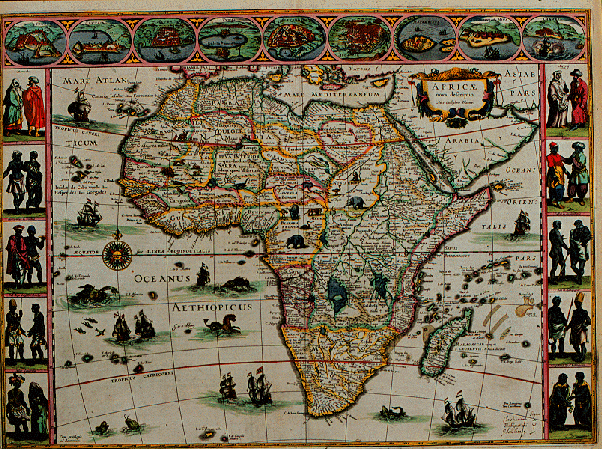
picture of ancient Africa
Africa’s growing partnership with China and Russia also highlights the continent’s desire for independence from Western powers. African leaders are increasingly unwilling to accept the paternalistic attitudes and often exploitative terms that have defined much of their historical relationship with the West. While the U.S. has traditionally offered aid and humanitarian support, many African countries now prefer a more balanced approach to foreign relations one that offers long-term investment, infrastructure development, and respect for sovereignty.
But aren’t the trade benefits clear? Its growing influence on the global stage is also reflected in its participation in multilateral institutions like the BRICS which hhas become an attractive alternative to Western-dominated institutions like the International Monetary Fund and the World Bank. As more African countries express interest in joining BRICS, this poses a challenge to the United States, which has long used its influence in these global institutions to safeguard its economic and political interests.
This shift towards a multipolar world, where power is more evenly distributed among different global actors, is something that Trump’s administration never fully grasped. His “America First” rhetoric, which often boiled down to isolationism and economic protectionism, failed to recognize the evolving realities of international trade and diplomacy. In Africa, where the desire for self-determination and economic independence is growing, his policies were seen as out of touch with the continent’s aspirations.
Rather than embracing Africa as a partner in the global economy, Trump’s MAGA movement seemed more intent on maintaining a 19th-century expansionist agenda like it has want to capture Canada as US 51st State. Look at his move towards Greenland and Panama too. This vision harkens back to the era of colonization, where Africa was treated as a resource-rich but strategically unimportant region to be exploited for Western gain. In many ways, this mirrors the treatment of places like Gaza, where geopolitical interests often overshadow human rights and the pursuit of peace.
However, despite the setbacks under Trump’s leadership, African nations have continued to forge their own path. Figures like Mahmoud Ali Youssouf, the African Union chairperson, President Bola Ahmed Tinubu (Nigeria’s president and Ecowas chairman) and other African leaders have not succumbed to the pressure of aligning with Washington’s narrow interests. Instead, they have doubled down on pro-African foreign policies that focus on the continent’s long-term development, sovereignty, and mutual respect in international relations.
For the United States, it may be time to reassess its approach to Africa and deal with us appropriately. The days when Africa could be treated as a secondary concern are over. If the U.S. wishes to remain relevant in Africa, it must rethink its foreign policy and offer more than just aid and rhetoric. Africa needs meaningful partnerships that promote sustainable development, respect sovereignty, and address global challenges like climate change and pandemics.
This is not to say that Africa should severe ties with the West entirely. Of course, cooperation with the U.S. and Europe can still be mutually beneficial. But the days of unquestioning dependence on Western powers should be over. As Africa’s relationship with China, Russia, and other emerging economies strengthens, it is clear that the continent’s future will be shaped by its own vision and its ability to navigate a world that is rapidly moving toward multipolarity.
Africa’s diplomatic landscape is changing, and it is clear that the continent is no longer content to be an afterthought in global politics. With its growing economic and political influence, Africa has the opportunity to shape its future on its own terms, without being beholden to the whims of any one power. The challenge now is for African leaders to stay united, continue to prioritize the needs of their people, and engage with the world in ways that ensure lasting prosperity and security.
To surmise, while Trump’s policies may have marginalized Africa, they have inadvertently highlighted the continent’s growing agency in the global arena. Africa is no longer a passive participant in the international system; it is an active player with the power to shape its own future. Whether the U.S. or any other nation likes it or not, Africa’s voice and influence will only continue to grow in the years to come.
Hashim Yussuf Amao writes from Belfast

Continue Reading
Advertisement
Click to comment

Leave a Reply

Your email address will not be published. Required fields are marked *

Trending Contents

Topical Issues

PDP PDP
Breaking News14 hours ago

PDP Headquarters Unsealed as Police Enforce Court Order, Wike Allies Reclaim Control

Nigeria Police unsealed the PDP headquarters in Abuja, restoring control to Wike-aligned leaders after days of internal crisis.

Osun-Decides Osun-Decides
Forgotten Dairies21 hours ago

As Osun Decides This August -By Kola Odepeju

However, the APC must not be lured into a false sense of security by its current popularity. This election will...

Belarus-Ghana Business Talks in Minsk, April 9, 2026. Belarus-Ghana Business Talks in Minsk, April 9, 2026.
Africa1 day ago

Belarus, Ghana Exchange Views on Bilateral Economic Cooperation -By Kestér Kenn Klomegâh

Belarus and Ghana aim for a transparent and mutually beneficial partnership. If the current dynamics are maintained, Belarusian products may...

Gadaka Gadaka
Politics1 day ago

From Ogbuluafor’s PDP’s 60 Years To Gadaka’s APC’s 100 Years: Man Proposes, God Disposes -By Isaac Asabor

In the end, the contrast between the 60-year projection of the past and the 100-year vision of the present serves...

Igbo Igbo
National Issues1 day ago

Policing Igbo Identity While Cheerleading for Tinubu: Ohanaeze’s Moral Collapse -By Vitus Ozoke, PhD

The Igbo are not a people easily governed by decree, least of all by an unelected cultural organization seeking to...

Peter Obi, Atiku and Tinubu Peter Obi, Atiku and Tinubu
Forgotten Dairies1 day ago

₦5 Billion to Run for President? The Dangerous Misconception Nigerians Must Reject -By Daniel Nduka Okonkwo

A Nigerian who is not a billionaire can still contest for the presidency. The law allows it. Democracy demands it....

Fulani-herdsmen-bandits-kidnappers-terrorists Fulani-herdsmen-bandits-kidnappers-terrorists
Forgotten Dairies1 day ago

Rising Insurgency In Borno: A War Far From Over -By Ochim Angela Odije

As the conflict continues, the people of Borno remain caught in a cycle of violence and uncertainty. Their plight underscores...

Abba Kabir Yusuf Abba Kabir Yusuf
Politics1 day ago

Open Memo to Governor Abba Kabir Yusuf -By Abba Dukawa

You need to adopt political rewards, whether tangible or symbolic, help sustain loyalty, reinforce party structures, and encourage participation. When...

Iran-Gaza-Hamas-Israel-missile-attack Iran-Gaza-Hamas-Israel-missile-attack
Forgotten Dairies1 day ago

A World on Fire, A World Paying: War, Inflation, and the Systemic Betrayal of Global Justice -By Fransiscus Nanga Roka

The world is now on fire, but alas not everyone bears such a heavy cost. Some are setting the blaze...

Lake Chad-climate-change Lake Chad-climate-change
Global Issues1 day ago

Climate Collapse Is Not a Natural Disaster: It Is a Humanitarian Failure of International Law -By Fransiscus Nanga Roka

The world treating breakdown of the climate as a natural disaster is a world that refuses to look at itself....