
Forgotten Dairies
Bridge Awards Symbolize A Definitive Choice Of Life In Russia -By Kestér Kenn Klomegâh
For me, as an Indian who has lived in Russia for many years, the word “bridge” is very personal. A bridge connects two banks. It allows people to cross, meet, understand, and build together. That is exactly what India and Russia need today—more bridges, more trust, more implementation, and more human connection.

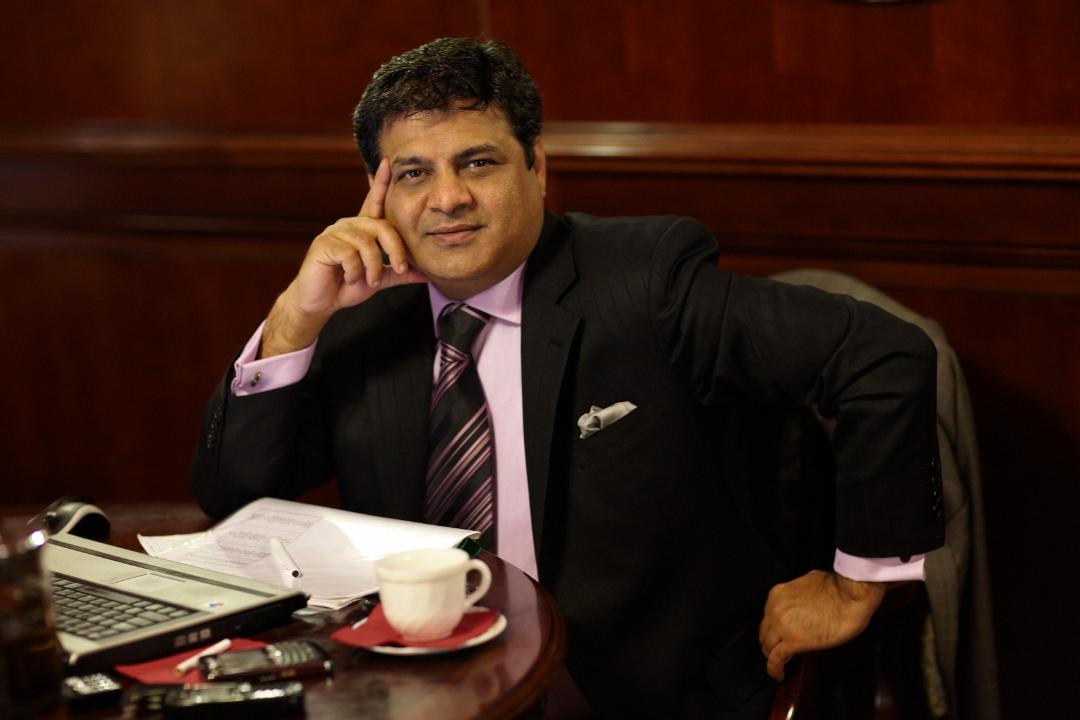
Under the presidential decree, authorizing an initiative to tap the best brains and professionals from abroad to integrate into Russian society, the Agency for Strategic Development plans to hold its first Bridge Awards, which honor the contributions of foreign citizens and repatriates who have made a definitive life choice in favor of Russia. The Bridge Award was founded by entrepreneur Philip Hutchinson and public figure Guy Eames.
Launched in February 2026, the competition for the awards has attracted a lot of potential candidates from more than 40 countries competing for victory across 12 categories. The highest number of applications came from the United States, totaling 18. There are also a number of candidates from Europe, Asia, and Africa. The “Business” category proved to be the most geographically diverse, drawing applicants from 12 countries.
The Bridge Awards recognize the valuable contributions of foreign citizens and repatriates to the Russian society. It is also dedicated to raising awareness, recognizing achievements, and building strong connections with the international community.
According to the official reports made available, among the winning-applicants and world-renowned celebrities for the Business Category, included Sammy Manoj Kotwani, President, Indian Business Alliance; President, SITA/Indian National Cultural Center; President, Overseas Friends of BJP Russia; and Founder, Imperial Tailoring Company.
In this conversation, Sammy Kotwani, talks about how he has lived and worked in Russia for more than three decades, entrepreneurial achievements, and his contributions to the Russian society. Here are the interview excerpts:
What really motivates you to participate in the first competition for Bridge Awards?
Sammy Manoj Kotwani: For me, the Bridge Awards are not only a competition. They are a recognition of a life journey. I have lived and worked in Russia for more than three decades. Russia gave me the opportunity to build my business, serve the Indian community, promote Indian culture, and create real business connections between India and Russia.
My motivation is very simple: I want to show that a foreign citizen can love Russia, respect its people, contribute to its economy, and at the same time remain deeply connected to his own roots and motherland.
Through the Indian Business Alliance, through cultural activities, through India–Russia business forums, through meetings with governors and regional leaders, my work has always been to build bridges — not only between governments, but between people, entrepreneurs, regions, cultures, and families.
So, when I heard about the Bridge Awards, I felt that this platform represents exactly what I have tried to do for many years: turn friendship into action, and respect into real cooperation.
You were selected by the Jury for the business category. What are the implications of this category?
SMK: Being selected in the business category is a very meaningful honour because business is where friendship becomes practical.
India and Russia already have strong political trust, historic goodwill, and strategic partnership. But the real question today is: how do we convert this goodwill into trade, investment, joint ventures, logistics solutions, industrial cooperation, and regional development?
That is why the business category is important. It recognizes those who are not only speaking about cooperation, but actually working on the ground to make it happen.
For me personally, it reflects the work of the Indian Business Alliance in connecting Indian entrepreneurs with Russian regions, supporting business missions, encouraging investment, discussing opportunities with governors, and identifying practical sectors such as textiles, pharmaceuticals, logistics, food processing, energy, technology, education, tourism, and skilled manpower.
This category is not only about personal achievement. It is about responsibility. It means we must continue to create platforms where Indian and Russian businesses can meet, trust each other, and build long-term partnerships.
Do you think the “Time to Live in Russia” programme has good future perspectives for foreign citizens who choose to relocate and live in Russia?
SMK: Yes, I believe the “Time to Live in Russia” programme has strong future potential, provided it remains practical, transparent, and welcoming.
Many foreign professionals, entrepreneurs, investors, teachers, doctors, engineers, cultural workers, and skilled specialists are looking for countries where they can build a meaningful life. Russia has space, resources, education, culture, business opportunities, and strong regional potential.
But relocation is not only about visas or documents. A person who comes to Russia needs guidance, integration, language support, business orientation, community support, and confidence that he or she can build a stable future.
This is where such a programme can become very powerful. If it helps talented foreigners understand Russia better, settle smoothly, respect Russian society, and contribute to the economy, then it can become a serious instrument of international cooperation.
From the Indian perspective, I see strong potential. Many Indians are skilled in technology, medicine, education, trade, textiles, pharmaceuticals, engineering, hospitality, and entrepreneurship. If the right mechanism is created, India and Russia can benefit greatly from this human bridge.
How would you characterize the international Bridge Award by the Agency for Strategic Initiatives and decreed by President Vladimir Putin?
SMK: I would characterize the Bridge Award as a timely and visionary initiative. In today’s world, countries need more than formal diplomacy. They need people who understand both sides, who can translate culture into trust, and trust into practical cooperation.
The Bridge Award gives recognition to such people — foreign citizens and repatriates who have chosen Russia not only as a place to live, but as a place to contribute.
For me, this award carries a very important message: Russia values those who sincerely work for its development, its international friendships, and its multicultural society.
The involvement of the Agency for Strategic Initiatives gives the award a serious institutional direction. It shows that this is not just a symbolic gesture, but part of a larger vision — to make Russia a place where international talent, entrepreneurs, cultural leaders, and public figures can participate in national development.
I believe this award can become a powerful platform for public diplomacy. It can show the world that Russia is open to sincere partners, serious professionals, and people who are ready to build, not just observe.
For me, as an Indian who has lived in Russia for many years, the word “bridge” is very personal. A bridge connects two banks. It allows people to cross, meet, understand, and build together. That is exactly what India and Russia need today—more bridges, more trust, more implementation, and more human connection.
















You must be logged in to post a comment Login