Africa
My Dream of a 24/7 Economy in Nigeria -By Dovish Okojie
That is my dream for Nigeria: a 24/7 economy. An economy that doesn’t pause for darkness, where productivity isn’t dictated by the rising or setting sun, but by the enduring energy, creativity, and enterprise of its people. A Nigeria where the constraints of ‘9 to 5’ are broken, and replaced with the freedom of ‘anytime productivity.’


It’s logical to say Nigeria’s economy largely sleeps when the sun goes down. The usual bustle of trade, production, and commerce slows to a crawl by evening, with only limited activities in pockets of nightlife economies like Lagos, Abuja, and Port Harcourt.
Imagine for a moment a Nigeria that never sleeps, not in the chaotic sense of ceaseless noise or unrest, but in the purposeful hum of factories running in shifts, call centers answering clients from every corner of the globe, hospitals functioning at full capacity with round-the-clock care, transportation systems moving people and goods efficiently regardless of the hour, and markets alive with safe, secure night-time trade.
That is my dream for Nigeria: a 24/7 economy. An economy that doesn’t pause for darkness, where productivity isn’t dictated by the rising or setting sun, but by the enduring energy, creativity, and enterprise of its people. A Nigeria where the constraints of ‘9 to 5’ are broken, and replaced with the freedom of ‘anytime productivity.’
In this dream, Nigeria transcends its current limits to become an unstoppable engine of growth, prosperity, and inclusive development. But this isn’t just a fantasy. Countries around the world have already harnessed the power of the 24/7 economy. Why not Nigeria?
Why a 24/7 Economy Matters
A 24/7 economy means that production, services, and commerce operate around the clock. It is an economy designed to meet demand in real time, regardless of traditional working hours. The benefits are monumental:
Increased Productivity and Output: Industries like manufacturing, tech, entertainment, hospitality, transport, logistics, healthcare, and retail can run continuously, doubling or even tripling output.
Job Creation on a Massive Scale: A 24-hour economy requires shift systems, meaning more jobs for our people, especially the youth at all skill levels.
Global Competitiveness: In terms of globalization, Nigeria’s firms need to match or outpace competitor’s world over. A 24/7 economy keeps Nigeria in the global game, especially in tech, finance, and services.
More Inclusive Economy: A flexible, round-the-clock system allows students, freelancers, part-time workers and other groups to participate meaningfully in the economy.
Stimulating MSMEs (Micro, Small, and Medium Enterprises): By removing artificial time barriers, small businesses can thrive at any hour, leveraging the full potential of Nigeria’s market of over 200 million people.
Unlocking Urban Night Economies: State capitals and major cities have the scale to support vibrant, structured nighttime economies, generating tax revenue and stimulating local economies.
The simple truth is this: no country has lifted millions out of poverty or achieved middle-income status by having its productive machinery operate for only part of the day. Nigeria cannot be the exception.
The Foundations for a 24/7 Economy in Nigeria
The foundation for building this economy is already present. What we need is vision, policy, and bold execution.
Population Advantage: Over 200 million Nigerians, with more than half under 30, represent not just a vast market but an energetic, restless, and innovative workforce. This is the labor force required to drive a 24/7 economy.
Digital Revolution: The spread of internet access, smartphones, fintech, and e-commerce is already pushing sectors of the economy into a 24/7 cycle. Social media, logistics, and online marketplaces are active at all hours.
Urbanization: Nigeria’s major cities are rapidly expanding. Urbanization, when structured properly, creates demand for round-the-clock services in healthcare, transport, security, entertainment, and food.
Entrepreneurial Spirit: Nigerians are arguably the most enterprising people on earth. From the streets of Aba to the digital corridors of Yaba, our people have shown that they can work anywhere, at any time, if given the right environment.
Examples: Globally, New York, Dubai, Shanghai, Singapore, Tokyo and others show what is possible in a 24/7 economy. Also, major cities within Africa are experimenting with structured night-time economies.
Nigeria has the ingredients. The challenge is activation.
The Roadblocks: What Is Holding Nigeria Back?
Despite our obvious potential, Nigeria’s economy is far from running on a 24-hour cycle. Why? Several systemic challenges still hold us back:
Power Supply: The most critical barrier. Industries, SMEs, and service providers cannot operate reliably without constant, affordable electricity.
Security Concerns: People and goods must be safe at all times. Nighttime movement today is fraught with insecurity in many parts of the country. This fear limits commercial activity after dusk.
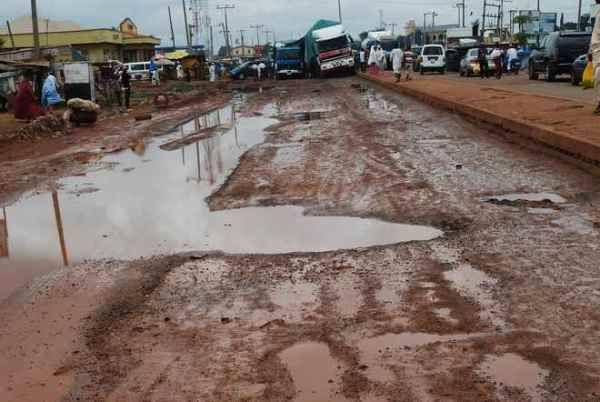
Poor Transportation Infrastructure: Efficient round-the-clock economies require robust transport systems: 24-hour bus services, taxis, trains, and well-maintained roads.
Policy Issues: For a 24/7 economy to thrive, policies on labor, taxation, licensing, security, and urban planning must align with long-term vision and provide incentives for businesses to operate continuously.
Cultural Factors: Nigeria still largely operates on the ‘daylight work’ model. Many people view night-time work as odd or undesirable, a mindset that needs deliberate shift through education, media, and leadership.
But these barriers are not insurmountable. They are roadblocks on a journey that Nigeria can and must undertake.
How to Build Nigeria’s 24/7 Economy
Turning this dream into reality will require bold, targeted actions by both government and the private sector. Here’s how I envision it:
- Declare Nigeria’s 24/7 Economic Vision Nationally
Leadership must articulate this dream loudly and clearly. Imagine a presidential policy speech declaring the goal of building Nigeria into a 24/7 economy within 10 years, with benchmarks and deadlines. National commitment is the starting point.
- Fix the Power Sector
Without reliable power, this dream dies. Accelerating investments in gas-to-power plants, renewables (solar, hydro, wind), mini-grids for industrial clusters, and liberalizing transmission must be top priorities. Give industries power, and they will work all night.
- Security Architecture Reform
A night economy depends on public confidence in safety. This requires modernized policing, technology-driven surveillance (CCTV, drones), community policing models, street lighting, and investment in emergency response services.
- 24-Hour Transportation Networks
Cities need structured, licensed 24-hour public and private transport options that are properly policed and monitored. This is job creation on its own.
- Night-Time Commerce Zones
Specially designated zones in key urban areas should be developed as 24-hour commerce districts. Think of 24/7 tech parks, industrial estates, entertainment districts, and markets, with special tax incentives and security frameworks.
- Tax Incentives for Round-the-Clock Operations
Provide incentives to manufacturers, tech companies, hospitals, supermarkets, call centers, and logistics companies willing to adopt shift work models. Reduce tax burdens for companies providing night-shift employment.
- Support MSMEs with Night Economy Programs
The government should work with MSME associations to help small businesses operate into the night through funding support for solar panels, security, and financial inclusion programs.
- Digital and Cashless Economy Expansion
Fintechs must be supported to deepen Nigeria’s cashless economy, facilitating 24/7 transactions, even in remote towns. Payment at any time, from anywhere, to anyone, is critical.
- Public Enlightenment and Cultural Shift
Using media, entertainment, and influencers, we must change attitudes toward night-time work. Working at night should not be seen as inferior or unsafe when properly structured.
- Private Sector Leadership
Nigerian companies must lead the charge: telecoms, logistics, banks, manufacturers, entertainment companies, hospitals, media. Each sector can pioneer 24/7 operational models in their spheres.
Sectors That Will Drive the 24/7 Economy
Certain sectors are naturally suited to lead the charge:
Tech and BPO (Business Process Outsourcing): Nigeria can become Africa’s tech support and BPO capital, handling global call centers, IT support, and data processing round-the-clock.
Manufacturing: Factories across the country can all run three shifts per day, drastically improving output and exports.
Healthcare: Hospitals with true 24-hour services and emergency care can create thousands of jobs for doctors, nurses, lab scientists, and paramedics.
Hospitality and Entertainment: Nigeria’s creative industry is already globally admired. Structured 24-hour entertainment districts can drive massive employment in hospitality, security, logistics, and tourism.
Logistics and Transportation: With e-commerce booming, logistics companies operating 24/7 can handle goods movement within and outside Nigeria’s borders.
Education and Research: Virtual classes, research hubs, and digital libraries can operate 24 hours, especially in partnership with global academic institutions.
We Either Sleep or We Grow
The nations of the future will not be those who work the hardest during the day, but those who have unlocked the full potential of round-the-clock productivity.
The 24/7 economy is not just about working harder, it’s about building a system that allows more people to participate in wealth creation, at times that suit their realities. It’s about organizing what we already have like talent, numbers, and creativity more effectively.
A 24/7 Nigeria is not a utopia, it is achievable. It is necessary to lift millions from poverty, to reposition Nigeria globally, to become not just the giant of Africa in name, but in fact.
We can build it. We must build it. And we will build it. The future belongs to those who dare to stay awake.
Dovish Okojie is a Management Consultant and Public Affairs Analyst. He writes from Abuja and can be reached through dovishokojie@gmail.com