Africa
Nigeria at 65: A Nation in Need of True Renewal -By Yasir Shehu Adam
This is my Independence gift to the nation — a call for reflection and action. May we never forget that the power to build a better Nigeria lies not only with our leaders but with every citizen willing to demand and defend what is right.


At a time when millions of Nigerians are struggling to put food on the table, when inflation has pushed basic needs beyond the reach of ordinary families, and when youth unemployment continues to climb, the cost of governance in Nigeria remains painfully high. The contradiction is glaring: while citizens are tightening their belts, the machinery of government—federal, state, and local—continues to grow in size, luxury, and waste.
Reports from civil society and budget analysts show that recurrent expenditure—money spent on salaries, allowances, vehicles, and government overhead—takes more than 70 percent of Nigeria’s annual budget. This leaves little for capital projects and investments that could truly improve people’s lives. What makes it worse is that much of this money is used to maintain political office holders who enjoy privileges far beyond those of leaders in countries with stronger economies.
For example, Nigerian lawmakers remain among the highest-paid legislators in the world. State governors maintain bloated cabinets, large convoys, and endless aides, even while teachers, nurses, and local workers go unpaid. At the grassroots, local governments—which should be closest to the people—are reduced to tools of patronage, with little transparency on how funds are spent.
The cultural optics are heartbreaking. Nigerians watch leaders fly abroad for medical check-ups while hospitals at home collapse. Politicians send their children to foreign schools while public education crumbles. Pensioners wait endlessly for their benefits, rural communities suffer from bad roads, and young graduates roam the streets searching for jobs that never come.
Here in Bauchi State, the story is no different. The basic needs of the people remain unmet. Our public schools are underfunded, leaving children without quality education. Our health system is weak, with many hospitals lacking equipment and enough qualified personnel. Thousands of young people are unemployed, trapped in frustration and poverty, with little hope for the future. At 65, Nigeria should have gone far beyond this stage.
Reducing the cost of governance is not just about saving money; it is about survival. Nigeria cannot continue spending so much on political offices while neglecting the welfare of its people. Experts have suggested reforms: trim the size of government, merge overlapping agencies, cut the allowances of political office holders, and use technology to reduce waste. Sadly, every administration has avoided this because it means reducing the privileges of the political class.
But if nothing is done, Nigeria risks sinking deeper into debt, widening inequality, and losing the faith of its people. The question is urgent: can a nation with poverty, insecurity, and unemployment afford a government that consumes so much yet delivers so little?
Sixty-five years after independence, our health system is still weak, our roads are broken, our schools are underfunded, and millions live in extreme poverty. More than 100 million Nigerians live below the poverty line, and life expectancy is less than 50 years. This is not the dream of our founding fathers.
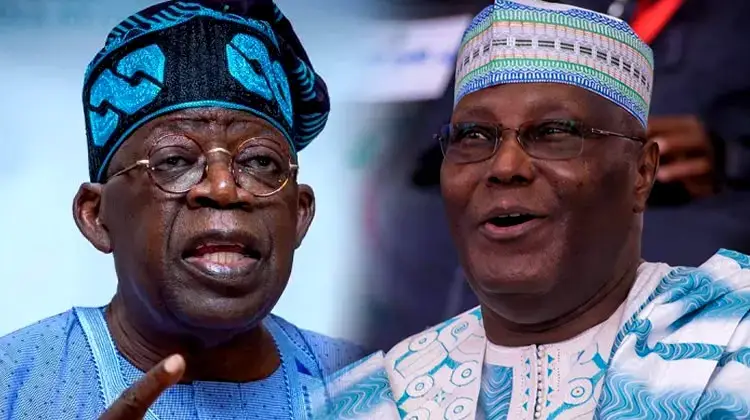
When President Bola Ahmed Tinubu took office in 2023, many Nigerians hoped for change after years of hardship under former President Muhammadu Buhari. But that hope is quickly fading. While the government spends billions on projects and promises, ordinary citizens still suffer hunger, joblessness, and insecurity.
The truth is, leadership has failed, but so has followership. Many Nigerians have allowed themselves to be deceived, manipulated, and used by politicians who care little about them. Civil society, religious bodies, and professional groups that should hold leaders accountable have grown weak. We cannot continue this way. Real change must come from both leaders and followers.
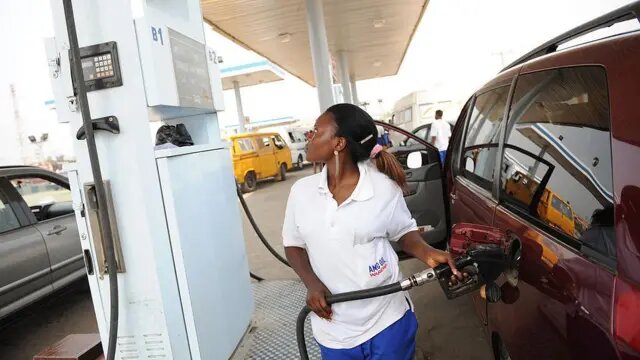
As Nigeria marks 65 years of independence, the mood is not one of celebration but of reflection. For the average Nigerian—the Talakawa—even eating three meals a day is now a luxury. Prices of food, transport, and basic needs have skyrocketed. Hospitals are failing, schools are crumbling, and jobs are disappearing. Many citizens even believe that the past was better than today, and they fear tomorrow may be worse.
Still, all hope is not lost. Nigeria is blessed with resources, talent, and hardworking citizens. But we must demand accountability, reject bad governance, and insist on leaders who serve the people instead of themselves. Independence should not just be about raising the flag; it should be about raising the standard of living of our people.
At 65, Nigeria must choose a new path: a path of justice, fairness, and true service to the people. Otherwise, we risk celebrating independence in chains of poverty and disillusionment.
This is my Independence gift to the nation — a call for reflection and action. May we never forget that the power to build a better Nigeria lies not only with our leaders but with every citizen willing to demand and defend what is right.
Happy Independence Day, Nigeria.
Yasir Shehu Adam (Dan Liman), Young Journalist and Writer from Bauchi