Africa
Nigeria, Bad Governance and The Rise of Young Activists -By Muhammad Auwal Ibrahim
What truly fuels this activism is the glaring contrast between the lavish lifestyles of the ruling elite and the suffering of ordinary Nigerians. From over-taxation to mismanagement of public funds, the masses bear the brunt. People cannot continue to witness what I describe as “daylight robbery” and remain silent. Even the most resilient people will one day be pushed to the wall.


It’s fascinating to observe how diehard supporters of a particular political candidate swiftly disassociate themselves from the leader once he fails to deliver on his promises and shows no willingness to fix what clearly needs fixing. What’s even more intriguing is how these same individuals not only quietly jump ship but also emerge as vocal critics, offering constructive feedback to the government on areas that require improvement. They caution that time is running out and urge citizens to take necessary actions.
We have witnessed leaders entrusted with authority for eight years, only to deliberately fall short of expectations despite constant reminders. Some have even gone so far as to silence dissent voices and stifle press freedom. Yet, as their tenure comes to an end, they shamelessly rush to seek forgiveness from the very people they have wronged. What audacity! If they know the value of forgiveness, why do they become obstinate and errant once they assume office? Is it a case of power drunkenness?
When the people trust you enough to hand over their mandate, not once, but twice you owe them your best. They have already done everything for you. It is now up to you to either do well or betray that trust. But it is disgraceful to humiliate people while in office, only to turn around seeking their forgiveness later. Even if the living forgive you, what about those who died as a result of your failures? This is not the path any serious leader should tread.
In recent years, Nigeria, especially the North, has witnessed a surge in the number of activists speaking out against bad governance. The question is: why now? What has pushed this teeming youth population into activism?
The truth is: Nigeria is underdeveloping rather than developing. Promises of progress have given way to disappointments. The Nigeria Air project, which was meant to revive the country’s national carrier, ultimately collapsed before take-off due to corruption. Railways that once transported people and goods across regions are now almost extinct. Only a few routes like Kaduna-Abuja and Lagos-Ibadan are still running. In the entire North-East, no modern rail line operates.
Merit has equally lost its value. Once upon a time, hard work guaranteed opportunity for the ‘lapo kids’ while the ‘nepo babies’ (privileged few) enjoyed their connections. Today, jobs in government establishments are allegedly sold to the highest bidder, leaving graduates hopeless. Meanwhile, corruption flourishes unchecked. In a country where billions can be diverted from critical sectors like water supply and education without consequence, is it surprising that citizens are turning into activists?
What truly fuels this activism is the glaring contrast between the lavish lifestyles of the ruling elite and the suffering of ordinary Nigerians. From over-taxation to mismanagement of public funds, the masses bear the brunt. People cannot continue to witness what I describe as “daylight robbery” and remain silent. Even the most resilient people will one day be pushed to the wall.
Worse still, young people now admire and aspire to join the cycle of corrupt leaders. They pray to graduate, hustle, and wait for a chance to enrich themselves through the same thievery. This is alarming. Any serious observer should be concerned about what lies ahead if the nation continues along this path.
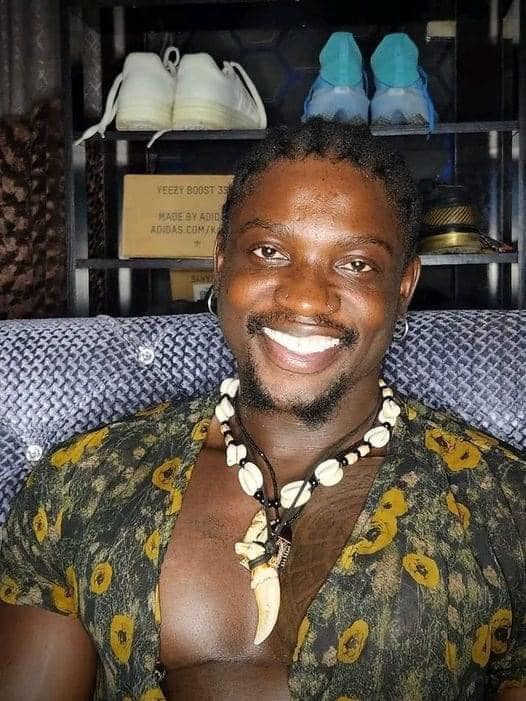
Yet, amid this despair, a new generation of activists is rising. From Lagos to Abuja, Sokoto to Yobe, young Nigerians are stepping forward to demand accountability. Encouragingly, today’s activists are also grooming the next generation, creating a pipeline of pro-freedom advocates determined to salvage the nation’s future. This deliberate move provides a backup and a large group of activists capable of salvaging the nation even if the current leaders pay the ultimate price of truth.
Nigerians are naturally patient and even forgiving toward their leaders. But when that patience gives way to activism, it signals a serious warning that should not be taken for granted. Activism, after all, is no easy task, it is another enemy-making profession. Still, for many Nigerians, it has become the only path left to fight for a better tomorrow.
I like their strategy and look forward to seeing the newly bred pro-freedom activists thrive. I will wish them the best and encourage them to remain steadfast, for it’s not an easy task. It’s akin to the enemy-making profession.
Muhammad Auwal Ibrahim is a multiple award-winning investigative journalist and a 2025 Adejumobi Adegbite Fellow at The Foundation for Investigative Journalism and Social Justice, Lagos. He can be reached via awwalbinibrahim@gmail.com.