Africa
Nigeria’s Deepening Socio-Economic Crisis: A Nation at a Crossroads -By Khalil Muhammed Mailafiya
Nigeria’s current national issue is not merely economic or political—it is a crisis of confidence and governance that touches every aspect of life. Yet, amid the difficulties, there remains hope. Nigeria’s people have shown remarkable resilience in the face of adversity. With genuine leadership, visionary policies, and collective commitment, the nation can still chart a new path toward stability, equity, and prosperity. The next few years will determine whether Nigeria rises above its challenges or continues to sink deeper into disillusionment. The choice, ultimately, lies in the hands of its leaders and its people.


Nigeria today stands at a crucial point in its national development, grappling with a combination of economic hardship, political uncertainty, and growing insecurity. Despite the government’s reform agenda and promises of a better future, many citizens continue to struggle under the weight of inflation, unemployment, and the high cost of living. The country’s economic indicators may suggest progress on paper, but in the homes of ordinary Nigerians, the story is one of survival, not prosperity. The gap between policy formulation and practical impact is widening, leaving the majority of the population feeling excluded from the benefits of governance.
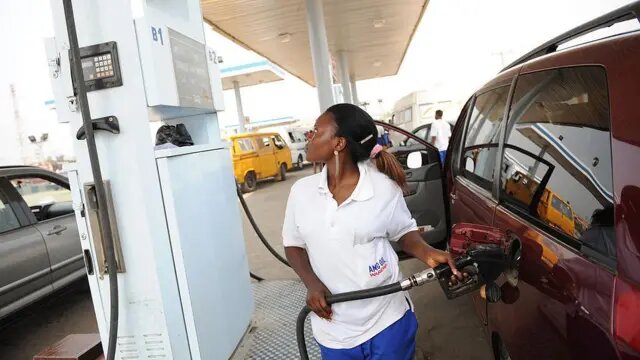
One of the most significant challenges confronting Nigeria is its ongoing economic turmoil. Inflation rates have surged, with food and fuel prices hitting record highs. The removal of fuel subsidies, though intended to stabilise government finances, has instead intensified the hardship faced by millions. The value of the naira continues to fluctuate, further eroding purchasing power. Even after modest wage increases, the average worker finds it increasingly difficult to meet basic needs such as food, housing, and transportation. The government’s emphasis on private-sector-led growth has yet to translate into meaningful opportunities for the masses, and many fear that the gap between the rich and the poor is becoming dangerously wide.
Security concerns further compound these economic woes. Across the country, the rise in banditry, kidnappings, and communal conflicts has made daily life precarious. Regions that were once stable and agriculturally productive, particularly in the Middle Belt and the North-West, are now plagued by violence that disrupts farming, displaces families, and drives up food prices. The farmer-herder clashes have not only claimed lives but have also crippled agricultural output, deepening food insecurity nationwide. The link between insecurity and economic decline is evident: without safety and stability, production slows, investment dwindles, and poverty grows.
Another troubling aspect of Nigeria’s current predicament is the apparent disconnect between leadership and the governed. For over two decades of uninterrupted democracy, Nigerians have repeatedly expressed disappointment in the quality of governance. Many citizens believe the nation’s challenges stem not from the system itself but from the character and priorities of those who manage it. Political leaders often prioritize personal gain over public welfare, and corruption remains pervasive. Until political officeholders begin to view leadership as a call to service rather than a means of enrichment, true progress will remain elusive.
Complicating this is the persistent weakness of local governance. Although Nigeria’s constitution guarantees local government autonomy, in practice, most local councils remain under the control of state governments. This has undermined grassroots development and weakened the provision of essential services such as healthcare, education, and rural infrastructure. A recent Supreme Court ruling affirming local government financial independence was hailed as a step forward, but implementation has been slow. Without strong local governance structures, policies from Abuja will continue to struggle to reach the ordinary citizen.
On the international stage, Nigeria’s image is also under pressure. Global partners and investors are increasingly cautious, citing concerns about corruption, insecurity, and policy inconsistency. Recent foreign reports and warnings—such as those suggesting potential sanctions or political isolation if governance does not improve—highlight how domestic issues can have serious external consequences. A weak currency, dwindling foreign investment, and capital flight all reflect growing doubts about Nigeria’s stability and economic direction.
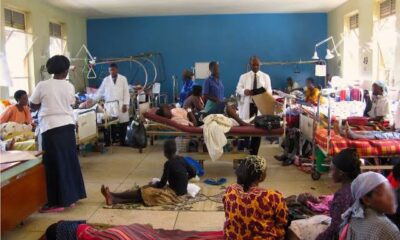
The social consequences of these intertwined crises are visible everywhere. Rising unemployment, particularly among the youth, has fueled frustration and restiveness. Many young Nigerians, disillusioned by the lack of opportunities at home, are leaving the country in what has come to be known as the “Japa” wave. This brain drain, while understandable, deprives the nation of its most productive minds and further weakens its capacity to innovate and rebuild. Meanwhile, social services such as education and healthcare are overstretched, underfunded, and poorly managed, leaving millions of citizens trapped in cycles of poverty and ill health.
In addressing these challenges, Nigeria requires a comprehensive and coordinated approach. Economic reforms must go hand in hand with social protection measures to cushion the vulnerable. The fight against insecurity must involve both military action and community engagement, addressing the root causes of violence such as poverty, marginalisation, and youth unemployment. Political leaders must embrace transparency, accountability, and inclusivity to rebuild public trust. Only through such holistic reforms can Nigeria hope to achieve sustainable progress.
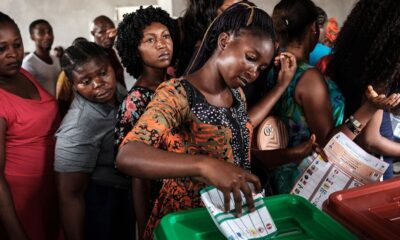
Civil society, the private sector, and the media also have critical roles to play. They must continue to hold government accountable and push for policies that prioritize citizens’ welfare. Likewise, ordinary Nigerians must remain engaged in civic processes—voting wisely, demanding good governance, and rejecting corruption at all levels. True democracy flourishes only when the people actively defend it.
Nigeria’s current national issue is not merely economic or political—it is a crisis of confidence and governance that touches every aspect of life. Yet, amid the difficulties, there remains hope. Nigeria’s people have shown remarkable resilience in the face of adversity. With genuine leadership, visionary policies, and collective commitment, the nation can still chart a new path toward stability, equity, and prosperity. The next few years will determine whether Nigeria rises above its challenges or continues to sink deeper into disillusionment. The choice, ultimately, lies in the hands of its leaders and its people.
Khalil Muhammed Mailafiya Student of mass communication Kashim Ibrahim University, Maiduguri.