Economy
Nigeria’s Economic Agony: A Nation’s Struggle Against Crushing Inflation, by Idris Mustapha

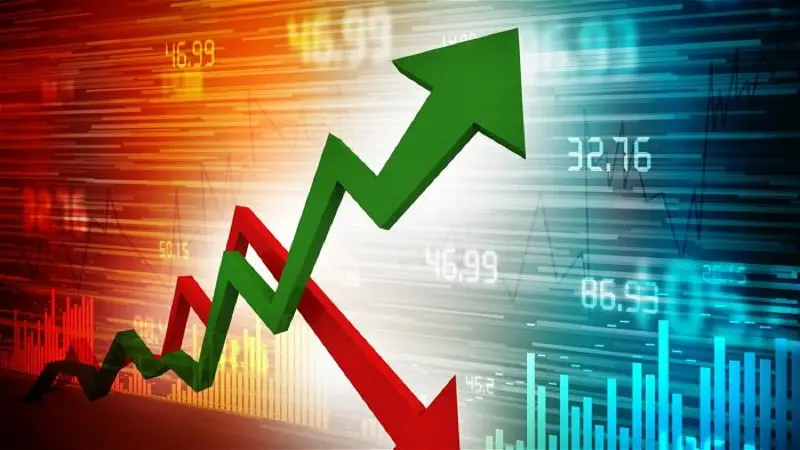
In a heart-wrenching revelation by the National Bureau of Statistics (NBS), Nigeria’s inflation rate has climbed to an excruciating 33.88% in October 2024. The pain and suffering reflected in these official figures tell a story far more profound than mere economic indicators – they represent countless nights of parents going to bed hungry, having sacrificed their meals to feed their children.
The NBS’s latest report paints a devastating picture, showing a relentless climb from September’s already unbearable rate of 32.70%. “Looking at the movement,” the Bureau notes with clinical precision that contrasts sharply with the human suffering it represents, “the September 2024 headline inflation rate showed an increase of 0.55% compared to the August 2024 headline inflation rate.” Behind these sterile statistics lie the anguished faces of market women watching their businesses crumble.
The Bureau’s year-on-year analysis reveals an even more distressing reality, with October’s rate standing 6.55 percentage points higher than the 27.33% recorded in October 2023. As stated in the NBS report, “This shows that the headline inflation rate (year-on-year basis) increased in September 2024 when compared to the same month in the preceding year.” Each percentage point represents another burden on the shoulders of ordinary Nigerians, many of whom are already stretched to their breaking point.
The official data traces a cruel journey through 2024, from January’s troubling 29.90% to the current devastating peak. The NBS’s monthly tracking shows how “the rate of increase in the average price level is more than the rate of increase in the average price level” with each passing month. Behind these technical terms lies the reality of young graduates seeing their dreams fade and elderly citizens finding their pensions increasingly worthless.
Perhaps most heartbreaking is the Bureau’s documentation of the surge in Premium Motor Spirit (PMS) prices, which the NBS directly links to the inflation crisis. This price hike, implemented in early September and again in October, has dealt a particularly cruel blow to the most vulnerable members of our society. Families are being forced to make impossible choices – deciding between buying food or medicine, paying school fees or keeping their small businesses alive.
The statistical evidence presented by the NBS serves as an official testament to the widespread suffering. Markets that once bustled with life now echo with the whispered concerns of traders and customers alike, haggling not for profit but for survival. The weight of this economic burden is visible in the tired eyes of parents who must explain to their children why they can no longer afford their favorite meals or school supplies.
As we look to the future, the NBS’s continuous monitoring of this crisis stands as a stark reminder of the urgent need for intervention. While the Bureau diligently records these devastating figures, real families are making painful sacrifices just to survive another day. The official data serves as a clarion call for immediate action, as each statistical update pushes more Nigerians below the poverty line, leaving deep scars that may take generations to heal.
This crisis, so meticulously documented by the National Bureau of Statistics, demands not just policy changes but a fundamental recognition of the human suffering it represents. Behind every percentage point increase lies a story of resilience, of families supporting each other through unimaginable hardship, of communities coming together to share what little they have. Yet, without significant intervention, these stories of resilience documented in the national statistics may soon turn into tales of despair, as more Nigerians find themselves unable to cope with the relentless rise in prices of basic necessities.