Africa
Obasa’s Impeachment: Why The Speaker Should Not Cry Over Spilt Milk, by Isaac Asabor

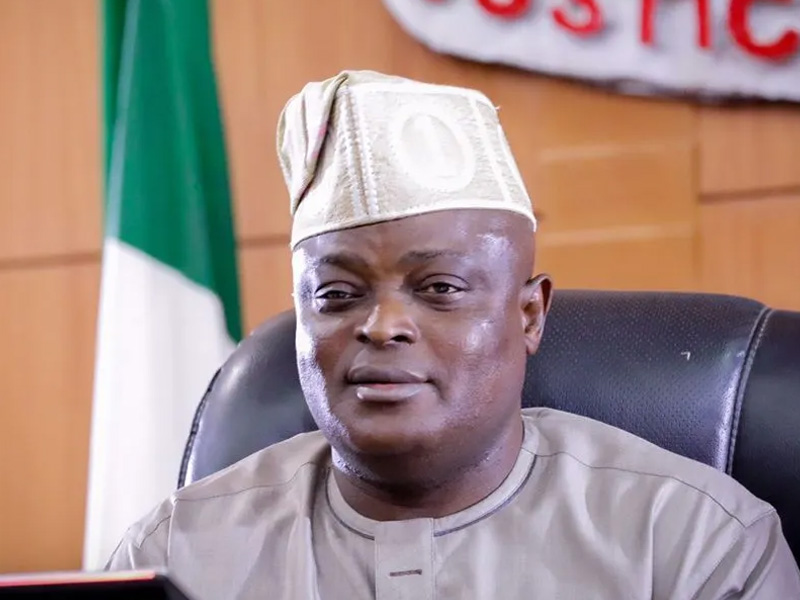
Not a few people have been taken aback by the recent claim of Mr. Mudashiru Obasa, the immediate past Speaker of the Lagos State House of Assembly, that his impeachment and the election of Mrs. Mojisola Meranda as Speaker did not follow due process. Addressing a gathering of APC members, Obasa alleged the use of a fake mace, the invasion of the House by policemen to intimidate his loyalists, and a siege on his residence on the day of his removal. He described the actions as illegal and vowed to challenge his impeachment in court while maintaining that he remains the Speaker until due process is followed. His statements, coupled with his insistence on the procedural integrity of the Assembly and dismissal of financial misconduct allegations, have added a new twist to the unfolding political drama in Lagos State.
In politics, as in life, the only constant is change. For Mudashiru Obasa, the erstwhile Speaker of the Lagos State House of Assembly, this reality hit hard when he was impeached on January 13 over allegations of gross misconduct and abuse of office. While his insistence on remaining the Speaker until “the right thing is done” projects an air of defiance, it also raises important questions about accountability, leadership, and the delicate balance of power in governance.
Obasa’s fall from grace is neither unique nor unprecedented in Nigeria’s political history. However, the circumstances surrounding his impeachment, centered on accusations of financial impropriety, including an eyebrow-raising expenditure of ₦17 billion on a gate to the assembly complex, cast a long shadow on his tenure. Regardless of his claims of procedural impropriety, Obasa would do well to reflect on his leadership and why he should avoid crying over spilt milk.
Leadership is a privilege that comes with immense responsibilities, the most critical being accountability. A leader must be above reproach, not just in action but in perception. When allegations of corruption or abuse of office emerge, they erode public trust, regardless of their veracity. For Obasa, the optics of spending ₦17 billion on a gate, an expense that seems disproportionate by any metric, cannot be ignored. Whether or not the expenditure was justified, the perception of fiscal recklessness undermined his credibility.
In such situations, clinging to power, as Obasa appears to be doing, rarely serves to restore trust. Instead, it often deepens the public’s cynicism about the political class. By refusing to gracefully step aside, he risks being seen as prioritizing personal ambition over institutional integrity, a perception that could further tarnish his legacy.
The Lagos State House of Assembly, like any legislative body, is a vital institution in Nigeria’s democracy. It is tasked with lawmaking, oversight, and ensuring checks and balances in governance. However, when the Speaker of such an institution becomes the subject of corruption allegations, it weakens the institution’s credibility and effectiveness.
Obasa’s impeachment should be seen as an opportunity for the Assembly to restore its integrity. While the process of his removal may not have met his expectations, the collective decision of the lawmakers reflects their judgment on his ability to lead. His insistence on retaining the Speaker’s seat, even after being unanimously removed, risks turning the Assembly into a battleground for personal interests rather than a forum for public service.
Political leaders who fail to read the writing on the wall often find themselves on the wrong side of history. From Brazil’s Dilma Rousseff to South Africa’s Jacob Zuma, examples abound of leaders who clung to power amid scandals, only to face ignominious exits. Closer to home, Nigeria has witnessed similar dramas. Whether it was Patricia Etteh, the first female Speaker of Nigeria’s House of Representatives, who resigned amid allegations of financial misconduct, or some politicians who faced corruption charges but navigated the political minefield with strategic acumen, these cases underscore the importance of humility and strategy in the face of adversity.
In fact, Obasa’s insistence on staying put does little to endear him to the public or his colleagues. Instead, it risks painting him as a leader who is out of touch with the political realities around him.
Obasa’s statement that he is a Muslim who believes in fate is noteworthy. Faith can provide solace in challenging times, but it should not be a substitute for accountability. True faith requires introspection, humility, and a willingness to accept the consequences of one’s actions. Rather than attributing his predicament to fate, Obasa should take responsibility for the decisions and actions that led to his impeachment.
As he contemplates his next steps, Obasa should consider how his actions will affect his political career, the Assembly, and the broader democratic process. A protracted legal battle or an obstinate refusal to accept his removal could alienate his supporters and diminish his political relevance.
Moving forward in this context, there is no denying the fact that redemption could be obtained through service. This is as every political setback presents an opportunity for redemption. Obasa’s impeachment, while a significant blow, does not have to mark the end of his political career. Many politicians have used periods of adversity to reflect, rebuild, and reemerge stronger. However, this requires humility, a willingness to accept responsibility, and a commitment to public service.
Instead of clinging to power, Obasa should focus on clearing his name and rebuilding his reputation. This might involve cooperating fully with any investigations into the allegations against him and demonstrating transparency in his financial dealings. By doing so, he can begin to repair the damage to his public image and perhaps regain the trust of his constituents.
Without a doubt, Obasa’s predicament serves as a cautionary tale for other political leaders. Power is fleeting, and the actions taken while in office often determine the legacy one leaves behind. Leaders must prioritize the public good over personal gain and ensure that their actions stand up to scrutiny. They must also remember that no position is permanent, and the ultimate measure of a leader is how they respond to adversity.
In fact, Mudashiru Obasa’s fall from grace is a reminder that leadership is both a privilege and a responsibility. While he has the right to contest his impeachment through legal channels, he must also recognize the damage that prolonged resistance could do to his reputation and the institution he once led. Instead of crying over spilt milk, Obasa should focus on rebuilding his legacy through accountability, humility, and a renewed commitment to public service.
In the end, the true measure of a leader is not how long they hold power but how they use it, and how they respond when it is taken away. Obasa has a choice to make. Will he continue to fight a battle that may further erode his credibility, or will he seize this moment as an opportunity for redemption? Time, and his actions, will tell.