
Africa
A Writer, Societal Values And Burden Of History, by Richard Odusanya

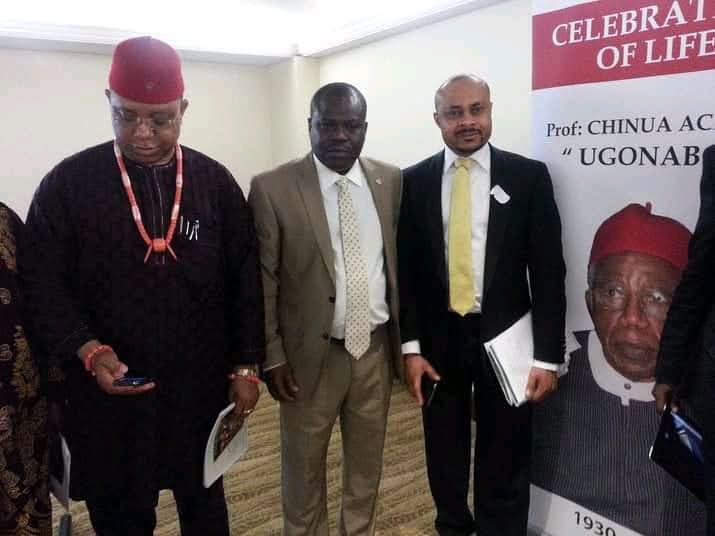
Writing and reading play crucial societal roles, impacting various aspects of life, culture, and communication. Having the skills to communicate, read, and write is vital for social and economic development. It allows individuals to expand their knowledge and understanding of society. … In modern society and our globalized world, literacy is far more diverse than simply reading a book and understanding what we have read.
Put succinctly, I am persuaded by the culture of writing and reading which is so important right now not only in books but also in what is written in posts. Writing conveys ideas that others can read, concepts readers may never have thought about before. At its core, Herodotus a Greek historian and geographer from the Greek city of Halicarnassus was the first writer to systematically investigate historical events. He is referred to as “The Father of History”, a title conferred by the ancient Roman orator Cicero.
Suffice it to say that, historians are the writers of history. They are responsible for researching, analyzing, and interpreting past events, people, and societies, and then presenting their findings in writing. Historians use a variety of sources, including written documents, archaeological artifacts, and oral histories, to construct a narrative of the past.
From a philosophical stance, this contribution critically examines writing and reading culture in the third-world countries particularly Nigeria. Writing and reading play crucial societal roles, impacting various aspects of life, culture, and communication. As such, writing makes a difference in a society that read.
Generally, Nigerians prefer to be entertained rather than enlightened. A highly CERTIFICATED but poorly EDUCATED country/society when compared to some African countries, especially the eastern and southern African countries! I think it’s a fundamental issue that we must begin to tackle from the grassroots – we value certificates more than actual knowledge. That’s one of the reasons craft doesn’t thrive here.
Sadly, a society that prioritizes certificates over actual knowledge may hinder the thriving of crafts and other practical expertise. In many societies I know, including some parts of Nigeria, there is often a heavy emphasis on formal education and obtaining certificates, particularly from universities and other institutions. This creates a mindset where academic qualifications are seen as the primary means to success, while practical skills, craftsmanship, or vocational knowledge might be undervalued or overlooked.
Following from the above, this tends to stifle the development of crafts for several reasons:
1) Lack of recognition and support: Craftsmanship and skills acquired outside formal educational institutions may not receive the same recognition or prestige. If society places more value on certificates, people may be DISCOURAGED from pursuing crafts, thinking they are less valuable or legitimate. I guess it might have been a key reason why Craft Schools don’t survive in our part of the world particularly Nigeria.
2) Limited opportunity: People may feel pressured to pursue degrees or certifications instead of apprenticeships or hands-on training in trades. This results in a gap between what people learn in schools and the practical skills needed to succeed in industries like craftsmanship, which rely on hands-on experience rather than academic qualifications.
3) Economic Focus: In societies (like Nigeria), where formal certificates are more highly prized, there may be fewer opportunities for people in the craft industry to receive financial support, mentorship, or infrastructure to scale their work. This limits the growth of craft industries, which can thrive with proper investment and market support.
However, it’s also important to recognize that some societies are slowly shifting toward valuing practical skills, and initiatives are promoting vocational training and crafts. These industries are increasingly seen as vital to economic diversification and the development of local economies.
So, on balance, while certificates hold value in many sectors, a society that only values them at the expense of practical knowledge and craftsmanship may limit the growth and recognition of those skilled in trades or crafts. Balancing academic learning and practical skill development can lead to a more holistic and dynamic society.
In conclusion, I’d like to share with our esteemed readers one of the feedback received:
“Oga Richard, thanks for sharing this thoughtful snippet.
*The referenced statement touches on a significant issue regarding the relationship between literacy, societal progress, and cultural priorities.
“Writing indeed plays a crucial role in shaping and reflecting society, but the readership often determines the effectiveness of writing. In societies where reading is not widespread or prioritized, the impact of written works may be limited.
*In the context of Nigeria, while it is true that many people may not engage in reading as much due to economic struggles, lack of access to books, or cultural factors, it’s also important to recognize that writing—whether in literature, journalism, or academia—has a profound potential to influence social change. However, writing must find its way to the people to have a meaningful impact. This can be challenging when other factors, such as religious or economic pressures, dominate daily life.
*The idea that Nigerians are “chasing shadows and praying for miracles” can be interpreted as a critique of societal tendencies to seek quick, often unattainable solutions rather than engaging with practical, systematic change. This is not unique to Nigeria, but it highlights the difficulty of transforming a culture of hope into one of critical thought, planning, and action.
*That said, countless Nigerians are dedicated to reading, writing, and using their intellectual abilities to promote change. However, fostering a reading culture and bridging the gap between literature and everyday life remains an ongoing challenge. Empowering more people through education, access to information, and encouraging reading as both a form of empowerment and entertainment could drive societal progress more sustainably.” _(adeABANIDA)_
Finally, as we search for a better country and seek to build a golden monument from the ruins of yesteryears and the anguish of today, let us reconnect with the realities of the Fourth Industrial Revolution as we march forward with grace. God bless Nigeria.
Richard Odusanya





















You must be logged in to post a comment Login