Africa
Puncturing The Culture Of Silence -By Ike Willie-Nwobu
If Nigeria is to become better and safer for everyone, everyone must feel reasonably safe, while those bent on making it unsafe for everyone else must be given space in prison, where they belong.

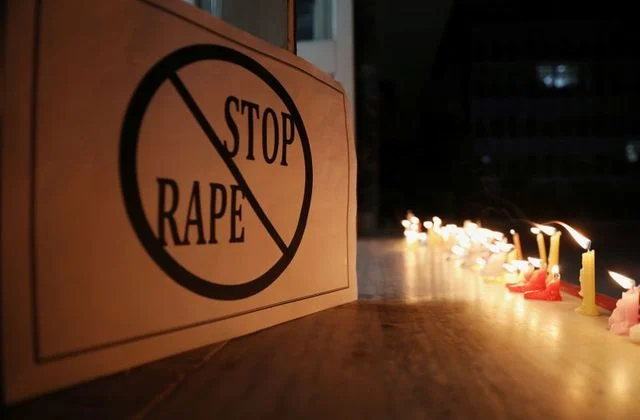
Three separate incidents in the last month have shown the importance of having hard but honest conversations about the question of sexual violence in the country.
First, there was the case of Mirabel, the Lagos-based TikToker who went online to say she had been raped by an unknown person. As public outrage grew over her revelation, it was soon revealed that she was struggling with severe mental health challenges.
However, by then, the impact of her revelation had already ridden a wave of public outrage to the University of Ibadan, where a quick exchange of words between a male and female student soon became accusations of rape hurled against the male student. The female student involved has since come out to say the accusations were false.
Meanwhile, in Abuja, Nigerian businesswoman, Tracy Ohiri has accused David Umahi, the Minister of Works of abuse of office for using his power to oppress her over his refusal to pay a debt owed her because she refused to extend sexual favours to him. The minister has strenuously denied these allegations, but that has not stopped protestors from descending on the nation’s capital bearing placards that read like something from a comic adult movie, if there is anything like that.
As the world has moved towards a better and safer future, it has become a feature and fixture of the most important conversations to discuss the safety of women and girls everywhere and every time. This conversation is not the product of idle agendas but a recognition of the enormous dangers women and girls face as they navigate a hostile world.
At home, in school, at work, and even in places that are considered public spaces, sexual violence poses real and enormous threats to women and girls alike. In a country like Nigeria, where there are multiple active conflict zones, women and girls face multiple complex threats.
Rape makes victims of the society as a whole. Given how many women and girls are affected, it is not far to surmise that the country has become a country of victims. The toxic culture of silence that clouds sexual violence further complicates issues, leaving the immediate victims shell-shocked, scarring them while emboldening their perpetrators.
In light of these, it is rather unfortunate that an opportunity to have grave conversations about the prevalence of sexual violence and how to build a safer and better society has descended into farce, fueled by those for whom even the most serious matters are material for gallows humor and online stupidity.
No allegation of rape or any other type of sexual assault or harassment should be treated with kid gloves. This is important both for the alleged victims and accused persons. When anyone alleges they have been raped, they must be given the attention required to obtain justice. The same goes for those who have been accused of rape.
Sexual violence is too serious an issue to be lost in a heinous haze of hideous hysteria and histrionics.
If Nigeria is to become better and safer for everyone, everyone must feel reasonably safe, while those bent on making it unsafe for everyone else must be given space in prison, where they belong.
More importantly, Nigerians must not fail to see and seize opportunities to address sexual violence once they sense that the culture of silence has been punctured a bit rather than leave such an important conversation to the control of those whose stupidity counts nothing as sacred.
Ike Willie-Nwobu
Ikewilly9@gmail.com