
Forgotten Dairies
Rabies in Nigeria: The Neglected Killer Still Threatening Rural Communities -By Dr. Umoru Moris
The continued presence of rabies in rural communities highlights the urgent need for stronger collaboration between veterinary professionals, healthcare workers, government agencies, and local communities under the One Health approach. Until vaccination coverage improves and public awareness increases, rabies may continue to remain a silent but deadly threat across vulnerable populations in Nigeria.

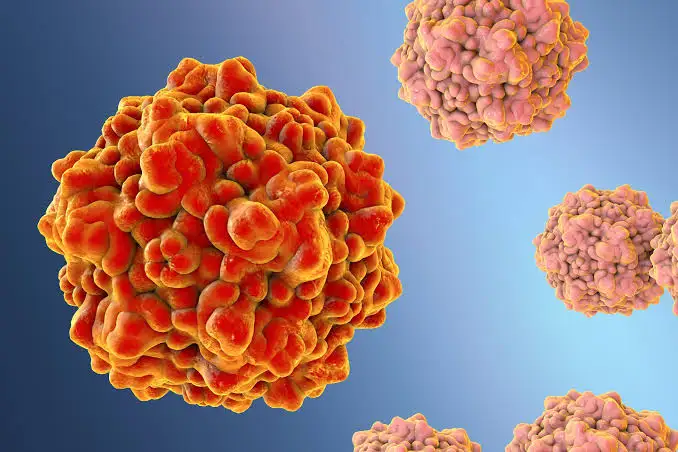
Rabies remains one of the deadliest yet most neglected zoonotic diseases affecting many rural communities in Nigeria. Despite being preventable through vaccination and proper public health awareness, the disease continues to claim lives each year, particularly in areas where access to veterinary and healthcare services remains limited.
Rabies is a viral disease that affects the central nervous system and is commonly transmitted through the bite of infected animals, especially dogs. Once clinical symptoms appear, the disease is almost always fatal. Yet many rural communities still underestimate the seriousness of rabies due to poor awareness and inadequate access to preventive healthcare.
In many parts of Nigeria, free-roaming and unvaccinated dogs continue to increase the risk of transmission within communities. Children remain among the most vulnerable victims because they are more likely to play with infected animals and may fail to report bites early. Delayed medical attention after exposure often reduces the chances of survival once infection progresses.
The burden of rabies extends beyond human deaths alone. Fear, emotional trauma, and financial difficulties associated with treatment place additional pressure on affected families and communities. In some rural areas, traditional remedies are still used after dog bites instead of seeking proper medical treatment, further increasing mortality risks.
From a veterinary public health perspective, rabies control depends heavily on prevention rather than treatment. Vaccination of dogs remains one of the most effective methods of reducing transmission. Veterinary professionals also play essential roles in surveillance, public awareness campaigns, outbreak monitoring, and responsible animal management within communities.
Public health education is necessary to improve awareness regarding the dangers of rabies and the importance of seeking immediate medical attention after animal bites. Communities should understand that washing bite wounds immediately with soap and clean water, followed by urgent hospital treatment, can significantly reduce infection risk.
Environmental and social factors also contribute to the persistence of rabies in Nigeria. Poor veterinary healthcare access, lack of vaccination programs, increasing stray dog populations, and weak enforcement of animal control regulations continue to challenge disease prevention efforts.
The continued presence of rabies in rural communities highlights the urgent need for stronger collaboration between veterinary professionals, healthcare workers, government agencies, and local communities under the One Health approach. Until vaccination coverage improves and public awareness increases, rabies may continue to remain a silent but deadly threat across vulnerable populations in Nigeria.
Dr. UMORU MORIS
(DVM;UNIMAID)

























You must be logged in to post a comment Login