Forgotten Dairies
Ramadan Is Not a Comedy Season -By Abdulsamad Danji Abdulqadir
Every Ramadan is a limited opportunity thirty days that can redefine a person’s relationship with Allah. Some will use it to detox their souls; others will use it to produce videos. Some will stand in prayer seeking forgiveness; others will stand in prayer seeking camera angles. The difference lies not in the month, but in the intention.

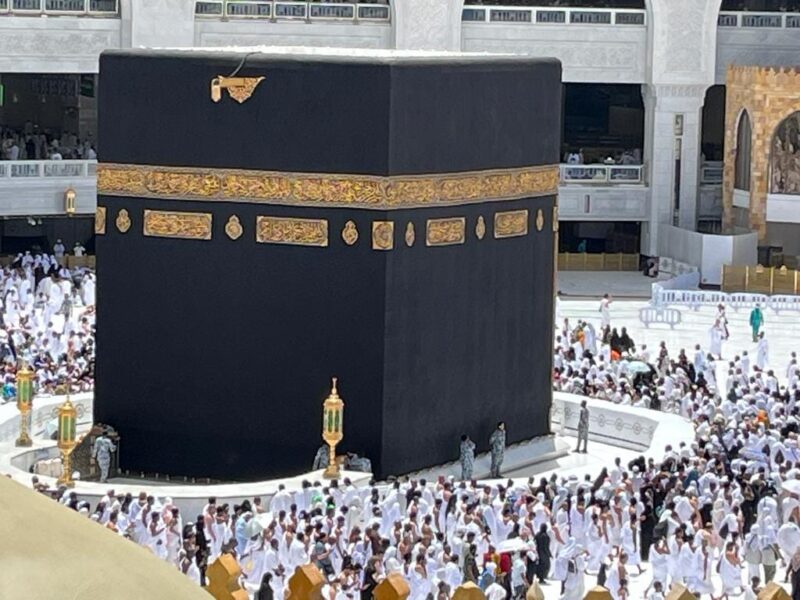
Ramadan comes to us as a sacred appointment a month designed for spiritual repair, moral discipline, and renewed closeness to Allah. It is meant to reshape our habits, soften our hearts, and redirect our priorities. Yet, in contemporary society, a troubling shift is becoming increasingly visible: Ramadan is gradually being repackaged as a season of entertainment, with acts of worship turned into content for laughter rather than avenues for transformation.
Across social media platforms, we now see a wave of Ramadan-themed comedy skits. Some portray the fasting person as permanently angry and lazy. Others dramatize taraweeh as a punishment that must be endured. There are skits showing worshippers competing for positions near fans and air conditioners, pretending to faint dramatically during prayer, or celebrating the speed of an imam as if salah were a race. While humor in itself is not forbidden, the problem arises when sacred acts are reduced to caricatures.
These performances shape perception. When prayer becomes a joke on screen, it gradually loses its weight in the hearts of viewers. Young Muslims who repeatedly consume such content begin to associate Ramadan with tiredness, sleep, food, and comedy rather than reflection, patience, and devotion. What should be a month of self-restraint becomes a month of staged exaggeration.
Inside some mosques, the influence of this attitude is visible. People attend taraweeh physically but remain mentally absent. Phones light up during recitation. Conversations continue in low voices. Some sit in the back rows not to pray, but to rest. Others treat the mosque as a waiting area for iftar rather than a house of worship. When the imam prolongs recitation, frustration replaces gratitude.
Again, it must be emphasized that Islam recognizes human limitation. A worker who struggles to stay awake after a long day is not equal to someone who deliberately turns prayer into a social activity. A student who momentarily loses focus is not the same as a content creator who scripts mockery of fasting for public amusement. The distinction between weakness and trivialization is crucial.
The deeper concern is the normalization of this culture. When negligence becomes common, it no longer appears as negligence. When people laugh at dramatized scenes of sleeping through taraweeh, they begin to accept it as a normal part of Ramadan rather than a spiritual loss. Gradually, the standard of devotion declines without anyone noticing.
Ramadan is not merely about attendance in the mosque; it is about presence of the heart. A short prayer performed with concentration is more valuable than a long prayer performed with distraction. A single page of Qur’an recited with reflection is more transformative than hours of recitation without attention. The month is a training ground for sincerity, not a stage for performance.
There is also a responsibility upon content creators. Media has power. What is presented repeatedly shapes what is valued. When creators choose to highlight the beauty of night prayer, the generosity of charity, and the peace of Qur’an recitation, they elevate the spiritual consciousness of their audience. But when they repeatedly portray worship as inconvenience and fasting as comedy material, they unintentionally contribute to the erosion of reverence.
The solution is not to declare war on humor or to condemn individuals harshly. Islam is a religion of balance, and joy has its place. However, sacred spaces and sacred acts must retain their dignity. Ramadan should inspire creativity that uplifts, not content that trivializes.
Every Ramadan is a limited opportunity thirty days that can redefine a person’s relationship with Allah. Some will use it to detox their souls; others will use it to produce videos. Some will stand in prayer seeking forgiveness; others will stand in prayer seeking camera angles. The difference lies not in the month, but in the intention.
As the month approaches, the question before us is simple: Will we be participants in the spirit of Ramadan, or spectators of its performance?
Ramadan is not a comedy season. It is a season of mercy. And mercy should be met with seriousness, gratitude, and sincere devotion.