


Last but not least, asset recovery must be linked to public reparations. The wealth that recovery makes possible must return, publicly and measurably, to citizens not...


Denis Odama has regained his freedom after spending seven days at Afokang Correctional Centre as the prosecution withdrew the case against him.
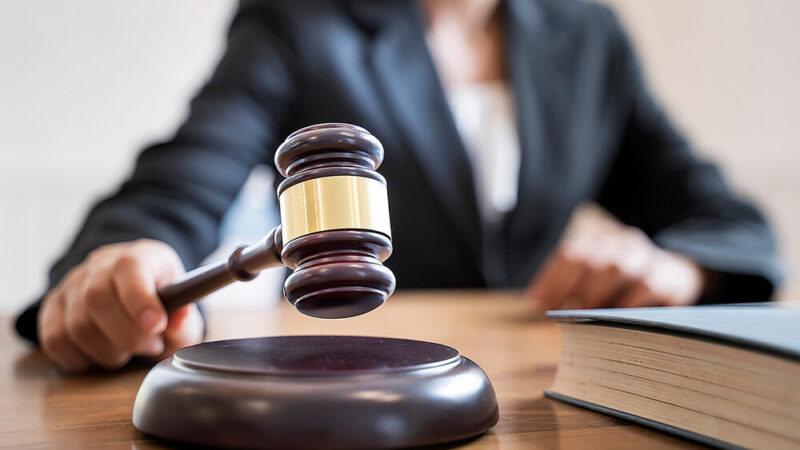
The Paragard MDL is more than a legal fight over product liability; it is an assessment of America’s many failings to adequately protect women’s health in...
Patients need to realize that a positive high risk HPV finding is not a trivial clerical error. It could take more than check back in a...
Strengthening regional cooperation within Latin America is essential for effective tracking of the illicit financial flows, facilitating extraditions and harmonizing legal frameworks. Joint Investigations and Mutual...


Retired DSS officer Nwaogu Ihechimere Ezeakolam has been remanded in Kuje after pleading not guilty to terrorism-related charges linked to IPOB.

For Indonesian and emerging-market regulators (OJK, Bapepam-successor): Given the aggressive marketing of "AI-driven" platforms by domestic health-techs and fintechs to attract capital, this case serves as...
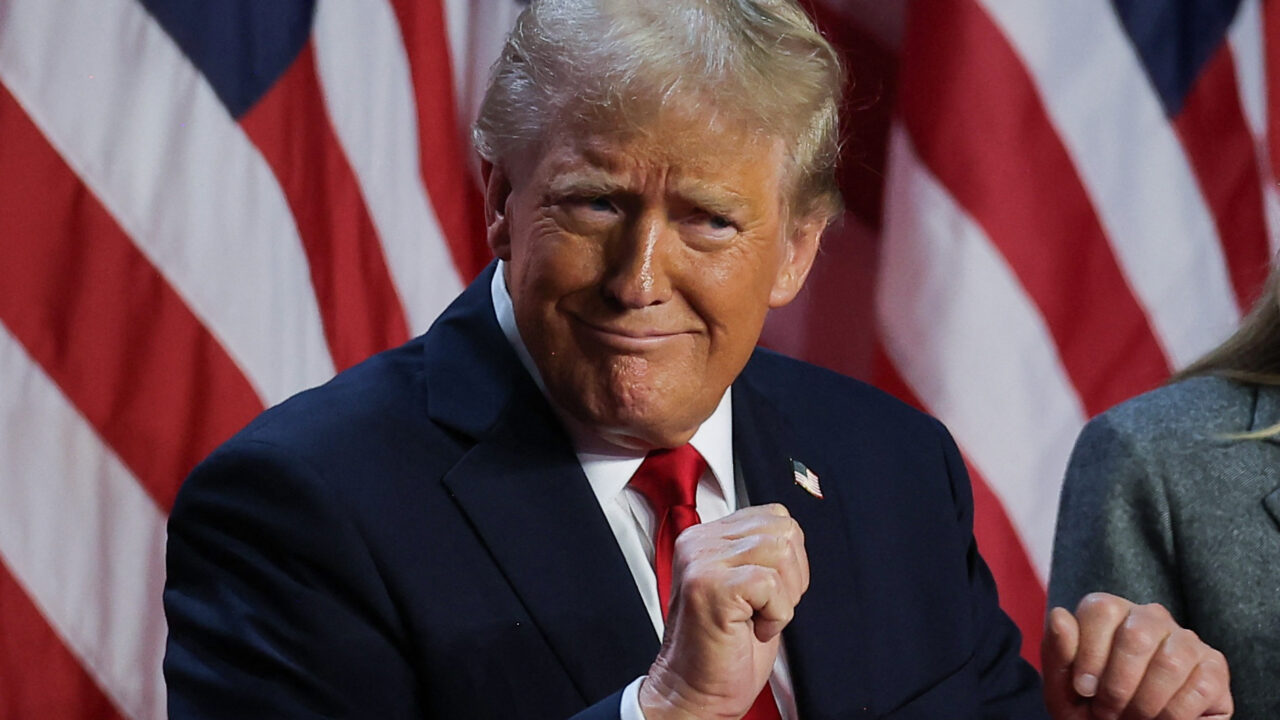
New York maintains the law will go into effect as planned on August 5, without any expected delay. Yet, real autonomy cannot arise from a system...

The FTC deserves credit just for actually going after the case, a real break from decades of laissez pas fair merger review in healthcare. But slap-on-the-cheek...
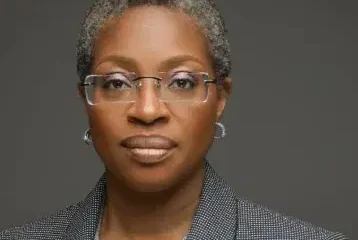

NBA President-elect Oyinkansola Badejo-Okusanya promises to reform the association's electoral process after the 2026 election sparked disputes, court cases and allegations of manipulation.
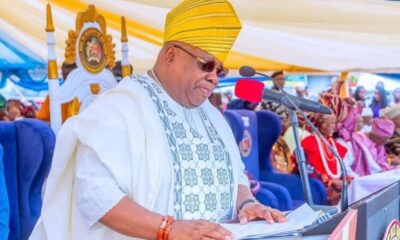

Chris Imumolen says Tinubu did not campaign for Adeleke but his decision not to deploy federal power against the governor...


Kebbe Local Government has distributed food and household supplies to families displaced by terror attacks while paying medical bills for...
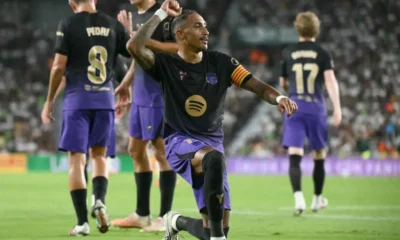

Raphinha and Fermin Lopez scored twice each as Barcelona cruised to a 5-0 victory over Elche in their La Liga...
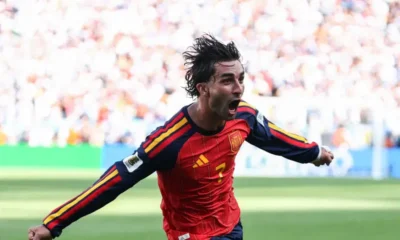

Ferran Torres rescued PSG with two goals as the French champions came from 2-0 down to draw 2-2 at Rennes...
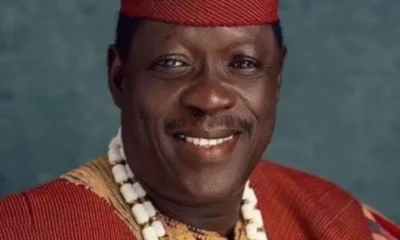

Nollywood veteran Taiwo Hassan ‘Ogogo’ has died at 66 after a battle with Stage 4 cancer. His daughter announced his...
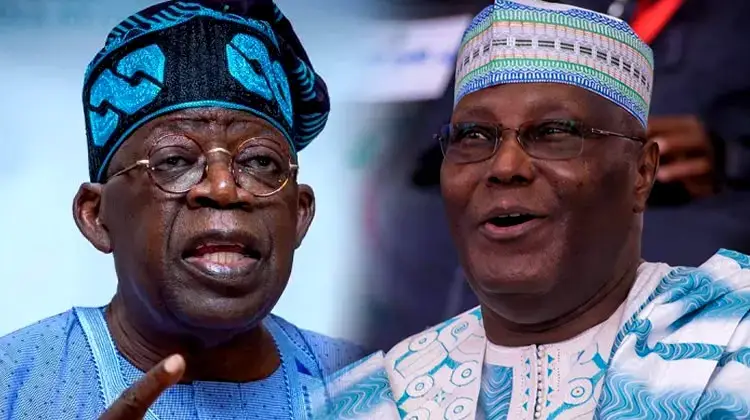
Former Vice President Atiku Abubakar defends his targeted fuel subsidy plan and accuses the Tinubu administration of favouring oil investors...

Brighton thrashed Aston Villa 4-0 at the Amex Stadium as Maxim de Cuyper scored twice and Jack Hinshelwood netted a...


Joao Pedro has extended his Chelsea contract after scoring 20 goals in his debut season, committing his future to the...

Man Utd began their Premier League campaign with a 2-0 loss to Hull as Michael Carrick admitted his team have...

Edo Commissioner Kassim Afegbua says Davido was not banned from the state and would be happily hosted if he chooses...


For more than seven decades, Ghana and Russia have had excellent diplomatic relations and looking forward to build a stronger...

Liverpool face their first season without Mohamed Salah since 2016, while Man City begin life after Pep Guardiola under Enzo...

NESG forecasts 15.5% inflation and 4.2% GDP growth for Nigeria in 2026, with oil, manufacturing and services expected to support...

USD to NGN today: The dollar is quoted at ₦1,344.45 at NFEM and about ₦1,404 in the black market on...


Jamal Musiala has returned to training after undergoing tests following his collapse during Bayern Munich’s friendly against RB Leipzig.

Full list of Super Eagles players who changed clubs this summer, including Awoniyi, Iheanacho, Akor Adams, Onyedika, Orban and Onyeka.


Todd Boehly and Mark Walter could sell their Chelsea shares to Clearlake Capital, with reports suggesting they value their stake...
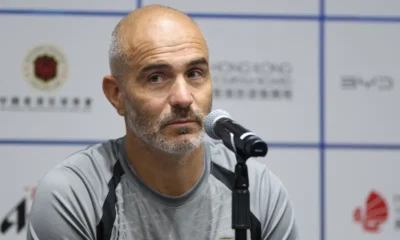

Arsenal beat Manchester City 3-0 in the Community Shield as Enzo Maresca suffered a difficult first major test following Pep...
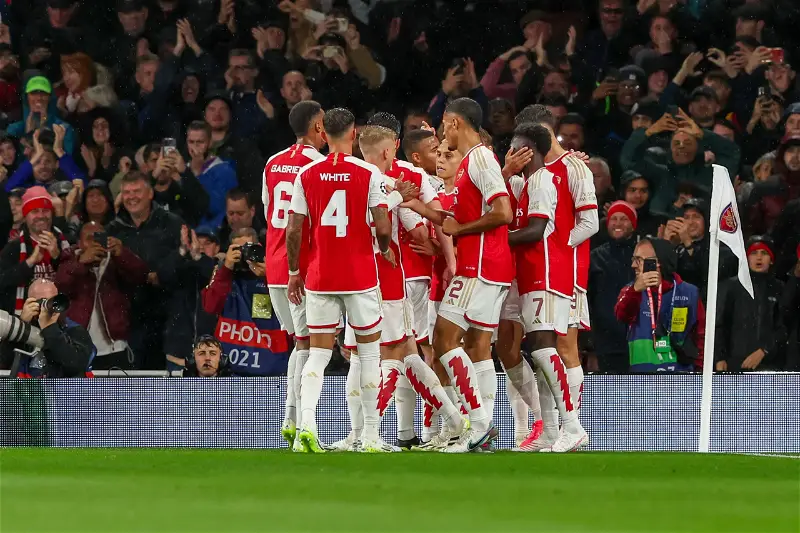
Arsenal and Manchester City clash in the Community Shield as Enzo Maresca takes charge of City for the first time...