Africa
The Future of Nigeria: Trends and Predictions -By Farida Ibrahim
Security remains one of the most troubling trends. Banditry, insurgency, and communal conflicts have affected education, farming, and daily life. If unresolved, insecurity could limit development and increase migration. But if Nigeria invests in justice, intelligence, community policing, and inclusive development, peace is possible. Security is not just about guns; it is about jobs, fairness, and trust in the system.

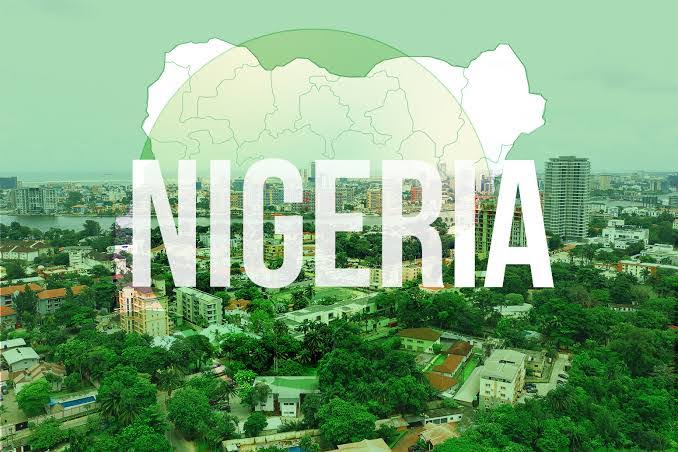
Nigeria’s future is a topic that inspires hope, fear, debate, and deep reflection—especially among young people like us who will live most of our lives in that future. As a student, I see Nigeria not just through statistics and headlines, but through lecture halls without power, graduates searching for jobs, and youths still daring to dream despite the odds. Looking ahead, certain trends already visible today give us clues about what tomorrow may look like.
One clear trend shaping Nigeria’s future is the youth population. Nigeria is a young country, with millions of energetic and creative youths. This can either be our greatest strength or our biggest challenge. If properly educated, skilled, and empowered, young Nigerians can drive innovation, economic growth, and good governance. However, if unemployment, poor education, and frustration continue, this same youth population may fuel insecurity, crime, and social unrest. The direction Nigeria takes depends largely on how the government and society invest in young people today.
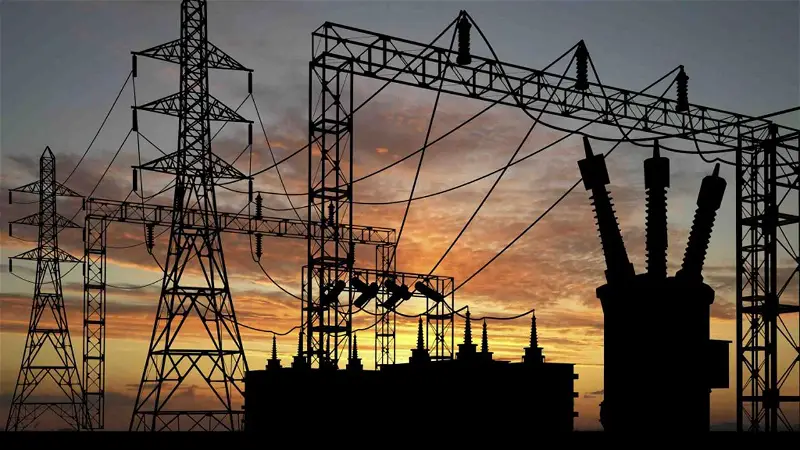
Another major trend is technology and digital growth. From fintech startups to online businesses, Nigerian youths are already using technology to solve problems and create opportunities. Even with limited infrastructure, innovation is thriving. In the future, technology could transform education, agriculture, healthcare, and governance. Digital skills may become more valuable than certificates alone. However, this progress will only be meaningful if issues like poor electricity, internet access, and digital inequality are addressed.
The economy also plays a central role in predicting Nigeria’s future. Currently, many families are struggling with rising prices, unemployment, and poverty. If Nigeria continues to depend heavily on oil, economic instability may persist. But there is hope. Diversifying into agriculture, manufacturing, renewable energy, and the creative industry could create jobs and reduce dependence on imports. The future economy of Nigeria will reward productivity, innovation, and accountability—if the right policies are put in place.
On the issue of governance, Nigerians are becoming more aware and vocal. Social media, civic groups, and student movements are demanding transparency and accountability. This growing political consciousness is a positive sign. In the future, leaders may find it harder to ignore the voices of the people. Yet, voter apathy, vote-buying, and ethnic politics remain serious obstacles. Nigeria’s democratic future depends on active citizenship, especially among students and first-time voters.
Security remains one of the most troubling trends. Banditry, insurgency, and communal conflicts have affected education, farming, and daily life. If unresolved, insecurity could limit development and increase migration. But if Nigeria invests in justice, intelligence, community policing, and inclusive development, peace is possible. Security is not just about guns; it is about jobs, fairness, and trust in the system.
In predicting Nigeria’s future, one truth stands out: Nigeria’s destiny is not fixed. The future will be shaped by the choices we make today—by leaders in power, institutions, and ordinary citizens. As students, we may not hold political office yet, but we hold ideas, voices, and responsibility. If Nigeria is to have a future of progress rather than regret, it must place education, justice, and youth at the center of national planning.
Nigeria’s future can be bright—but only if we stop postponing hard decisions and start building the country we truly want to inherit.