Africa
The Powerless Power of the Nigerian Journalist -By Zekeri Idakwo Laruba
The pen that once won our independence still holds the power to shape our future. But only if it is wielded with integrity, and supported with justice. Until we build a media system where journalists can live with dignity, we remain a country that praises democracy while neglecting those who protect it.

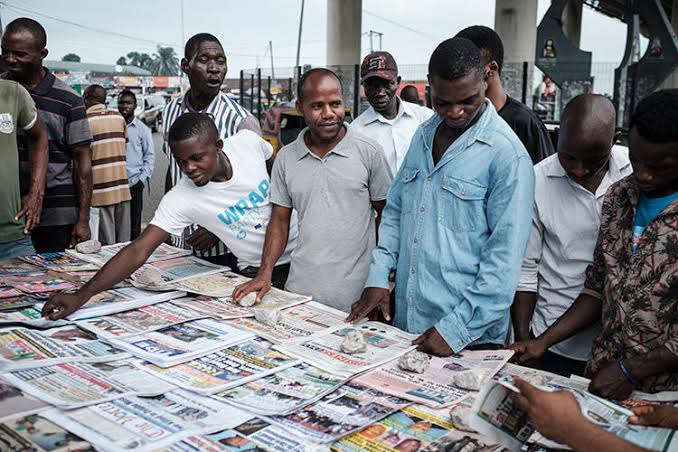
In every thriving democracy, journalists are the soul of public accountability, the guardians of truth, and the voice of the voiceless. In Nigeria, their pens won independence without a single bullet fired.
But decades later, the same pens have become symbols of struggle, silence, and survival. The Nigerian journalist today is overworked, underpaid, and largely forgotten.
From the courage of Dele Giwa to the frontline sacrifices made during military regimes, Nigerian journalists have risked, and even lost, their lives in service to the nation. But rather than being celebrated, many of them now live in poverty, working without insurance, health care, decent pay, or professional protection.
The profession that once produced national heroes is now filled with invisible men and women, reporters who go out daily with no transport allowance, editors who cannot afford basic medication, and photojournalists who cover events on empty stomachs.
At some press events, journalists are reduced to scrambling for food or transport stipends. The humiliation is not just individual; it is institutional. In 2020, the nation witnessed the public verbal assault of Eyo Charles, a Daily Trust journalist, by a former minister, Femi Fani-Kayode.
His only crime? Asking a legitimate question. That moment, broadcast across the country, exposed the vulnerability of journalists and how little value some political elites attach to press freedom. Many media professionals now survive on meagre and inconsistent pay.
In some private media organisations, reporters work for months without salary and still carry personal costs to cover assignments. To be fair, few private media organization provides well fare and accommodation for their staff, even though they struggle to keep their revenue streams steady. Government-owned outlets, while slightly better, still offer limited welfare support in the face of inflation and economic downturns.
The Nigeria Union of Journalists (NUJ), Nigerian Guild of Editors (NGE), and other professional bodies have largely become toothless. While they occasionally issue press statements in moments of outrage, their long-term effectiveness remains questionable.
Advocacy is weak, reforms are slow, and protection is minimal. Journalists are left to fend for themselves in a system that no longer honours them. What is even more tragic is that many journalists report every day on injustice and neglect, yet rarely report their own.
The irony is cruel. And so is the silence. Yet, the survival of Nigeria’s democracy depends on the survival of journalism. If journalists are weak, the truth is endangered. If they are compromised, the nation drifts into ignorance.
It is not enough to speak about press freedom, we must act to protect the people behind the stories. To restore dignity and professionalism in the Nigerian media space, urgent reforms must be pursued. First, the Federal Government, in collaboration with media owners and unions, must establish a National Media Welfare Fund.
This fund should provide emergency support, health insurance, and affordable housing for journalists. It will serve as a safety net for media workers in distress. Second, there must be legislative protection through the passage of a Journalist Protection and Welfare Bill, which will address workplace rights, ethical standards, job security, and compensation for risks undertaken in the line of duty.
Third, an independent Press Freedom and Redress Commission should be established to investigate harassment, unlawful detention, and abuse of journalists. This commission will serve as a watchdog against both state and private offenders.
Fourth, support for independent media startups and community-based journalism should be expanded. Through grants, training, and infrastructure, we can nurture new media platforms that prioritise public interest over politics or profit.
Lastly, the NUJ and NGE must reform themselves. They must earn back the trust of their members by becoming more transparent, democratic, and responsive. The time for docile leadership in journalism is over.
Of course, journalists must also hold themselves accountable. Ethical journalism is not optional. They must resist the temptation of brown envelopes, fact-check relentlessly, and report with clarity, compassion, and courage. The profession must regain its honour by defending the truth, not selling it.
The pen that once won our independence still holds the power to shape our future. But only if it is wielded with integrity, and supported with justice. Until we build a media system where journalists can live with dignity, we remain a country that praises democracy while neglecting those who protect it.
A free press without empowered journalists is an illusion. And Nigeria deserves better.
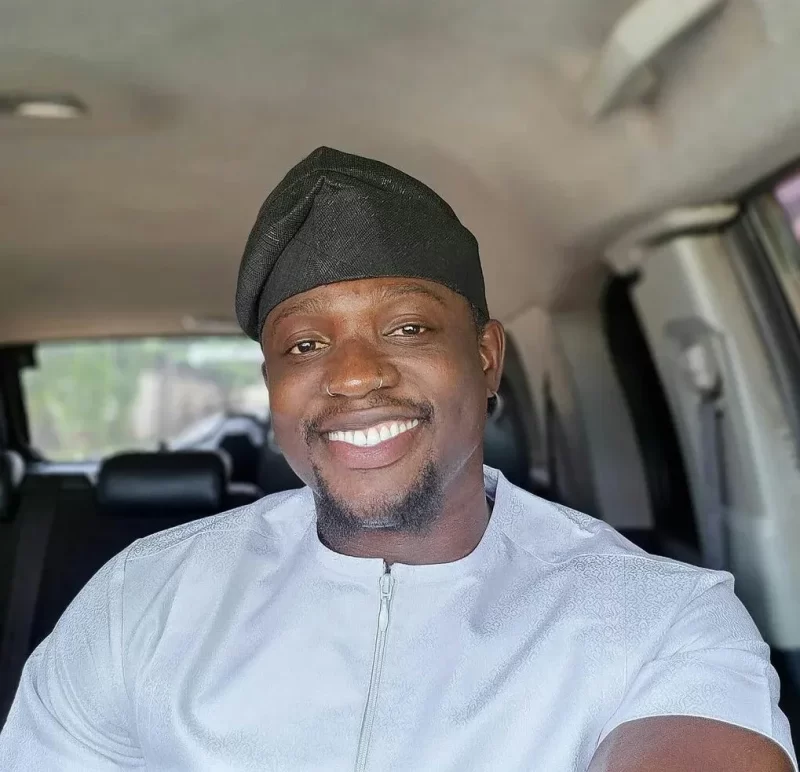
Zekeri Idakwo Laruba is the Assistant Editor PRNigeria and Economic confidential. idakwozekeri93@gmail.com