Forgotten Dairies
The Razzmatazz City Boys In Owerri Called Youth Empowerment -By Isaac Asabor
If Nigeria is to move forward, this pattern must be broken. INEC must take note. Political actors must be held to higher standards. And youths must refuse to be used as pawns in a game that offers them crumbs while promising a feast.

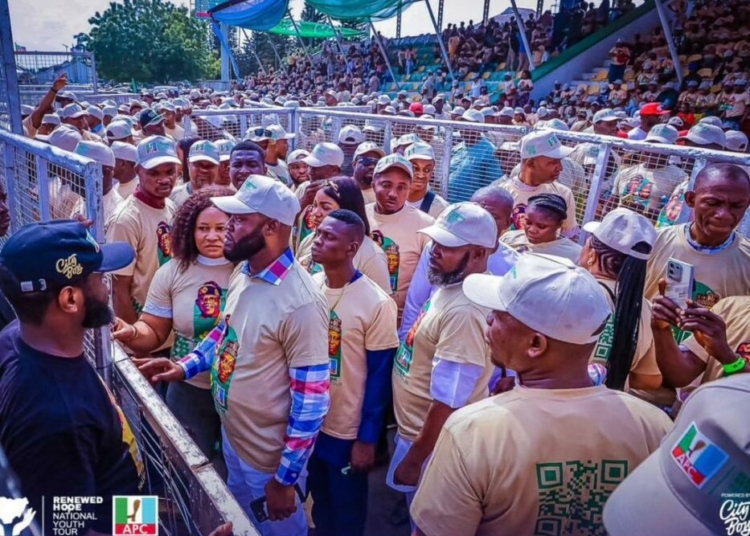
There is something deeply unsettling about the growing trend of dressing political campaigns in borrowed robes of “youth empowerment.” What recently unfolded in Owerri under the flashy banner of empowerment was not only misleading, it was a brazen insult to the intelligence, dignity, and lived realities of young people. Let us call it what it was: a calculated political spectacle.
The so-called empowerment event, widely publicized to attract young people hungry for opportunity, quickly revealed its true character. Instead of a structured program designed to equip youths with sustainable skills, jobs, or economic pathways, it morphed into a distribution arena for flashy and expensive items, like “Korolope” , laptops, and other expensive gifts and cash handouts, These were not tools of empowerment; they were tokens of inducement. The message, though unspoken, was loud and unmistakable: take this today, and remember us tomorrow at the ballot box. What happened in Owerri was not empowerment. It was transactional politics at its most partisan height.
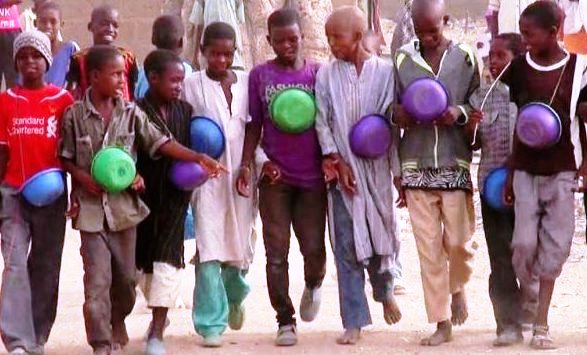
Owerri, like many urban centers in Nigeria, is home to a restless and ambitious youth population. These are young men and women grappling daily with unemployment, underemployment, and a shrinking space for genuine economic advancement. To dangle temporary gifts before them under the guise of empowerment is to exploit their vulnerability. It is a tactic that thrives on short-term gratification while ignoring long-term solutions.
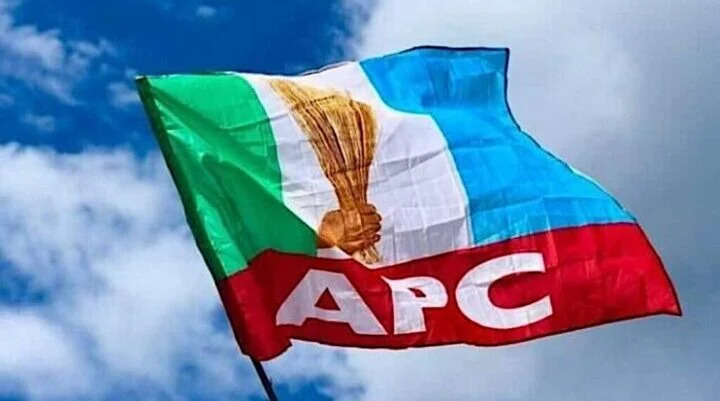
Even more troubling is the political undertone that defined the entire exercise. The presence of partisan messaging, subtle and overt endorsements, and the alignment with future electoral ambitions made it clear that this was less about youth development and more about vote cultivation. The ruling party’s fingerprints were all over the event, turning what should have been a neutral development initiative into a campaign rally in disguise.
But perhaps the most telling outcome of the event was its eventual collapse into chaos. The reason for the chaotic situation cannot be farfetched as not all youths in Owerri were willing to play along.
As reports emerged, many young people who felt excluded or outright opposed to the gathering began to express their anger. What started as murmurs of dissatisfaction quickly escalated into open agitation. The sense of injustice, of seeing a select few benefit from what was advertised as a collective opportunity, sparked tensions that eventually boiled over into violence. This reaction, while unfortunate, should not come as a surprise.
When you create an environment where access to resources is politicized, selective, and opaque, you are inevitably sowing seeds of division. When empowerment becomes a lottery tied to political loyalty rather than merit or need, resentment is inevitable. And when that resentment is ignored, it finds expression in ways that can destabilize the very communities such programs claim to uplift.
The Owerri incident is a textbook example of how not to engage young people. True youth empowerment is not about spectacle. It is not about one-day events filled with loud music, branded banners, and hurried handouts. It is about sustained investment in education, vocational training, entrepreneurship support, and job creation. It is about building systems that outlast political cycles and benefit youths regardless of their political affiliations.
What happened in Owerri was the opposite of all this. It was razzmatazz without substance. Noise without impact. A carefully staged performance designed to create the illusion of generosity while masking a deeper agenda of political manipulation.
This raises a fundamental question: how long will such practices continue unchecked? There is a dangerous normalization of inducement politics in Nigeria, where gifts and cash are routinely used to sway public opinion. While this has historically been associated with election periods, we are now witnessing its evolution into pre-election “empowerment” schemes. This makes it even more insidious, as it operates under the cover of development initiatives, making it harder to regulate and easier to justify.
This is where the role of the Independent National Electoral Commission (INEC) becomes critical. INEC cannot afford to turn a blind eye to these developments. If electoral integrity is to mean anything, then the commission must expand its understanding of what constitutes campaign activity and voter inducement. Events like the one in Owerri should not be dismissed as harmless gatherings. They are, in effect, early-stage campaigns designed to influence voter behavior through material incentives.
There must be clear guidelines, and more importantly, enforcement mechanisms, to prevent political actors from disguising campaigns as empowerment programs. Transparency should be non-negotiable. Any initiative claiming to empower youths must be scrutinized for political bias, funding sources, and distribution criteria.
Beyond regulation, there must also be accountability. Political actors who engage in deceptive practices should face consequences. It is not enough to issue warnings or guidelines that are routinely ignored. There must be real penalties that deter future violations. Otherwise, the cycle will continue, with each election cycle bringing more sophisticated forms of manipulation. At the same time, young people themselves must begin to demand more.
The days of being swayed by short-term benefits must give way to a more critical and forward-looking mindset. A laptop handed out today, without a broader ecosystem of opportunity, is unlikely to change a life. A cash gift, no matter how generous, will not solve systemic unemployment. What youths need, and deserve, are policies and programs that create lasting value.
This is not to dismiss the immediate needs of many young Nigerians. Economic hardship is real, and any form of support can make a difference in the short term. But when that support is tied to political expectations, it becomes a tool of control rather than liberation.
Owerri’s experience should serve as a wake-up call. This is as it highlights the urgent need to redefine what youth empowerment means in Nigeria. It exposes the dangers of conflating development with political strategy. And it underscores the importance of vigilance, by institutions, by civil society, and by the youths themselves.
Deceptive campaigns masquerading as empowerment must not be allowed to continue. They erode trust in public institutions. They deepen divisions within communities. And they ultimately undermine the democratic process by shifting the focus from ideas and policies to material inducements.
If Nigeria is to move forward, this pattern must be broken. INEC must take note. Political actors must be held to higher standards. And youths must refuse to be used as pawns in a game that offers them crumbs while promising a feast.
Anything less would be a disservice to the very future that these so-called empowerment programs claim to protect.