Forgotten Dairies
The Rise of Artificial Intelligence: How AI Is Transforming Everyday Life -By Jennifer Hassan
AI is not just a technological revolution it is a societal transformation. From the way we work and learn to how we communicate and heal, AI is at the center of modern life. While it offers incredible benefits, it also demands responsibility, regulation, and inclusive development. To fully harness the power of AI, we must invest in education, build ethical frameworks, and ensure that no one is left behind in this new digital era.

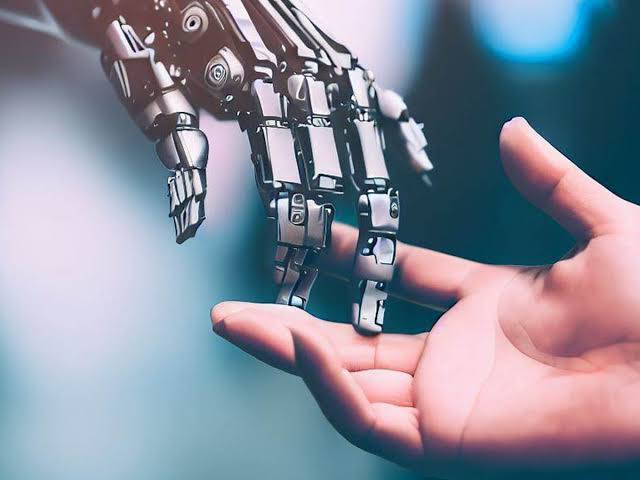
Artificial Intelligence (AI) has moved from science fiction to reality, becoming an integral part of modern life. Its ability to simulate human intelligence and perform tasks such as learning, reasoning, and problem-solving has made it a game-changer across various sectors. In today’s world, AI doesn’t just exist in laboratories or high-tech companies it’s in our phones, our cars, our homes, and our workplaces. From healthcare and finance to education and entertainment, AI is reshaping how we live, work, and think.
AI refers to the creation of machines or systems that can perform tasks typically requiring human intelligence. These include recognizing speech, understanding language, learning from experience, making decisions, and solving problems. The core components of AI include machine learning, neural networks, deep learning, and natural language processing. Through the use of algorithms and large datasets, AI systems can detect patterns, make predictions, and improve themselves over time without explicit programming.
AI has dramatically changed the way we communicate. Voice assistants like Siri, Alexa, and Google Assistant respond to voice commands and answer questions in real-time. Chatbots powered by AI now handle customer service on websites and apps, helping resolve queries efficiently. Language translation tools, such as Google Translate, are now powered by neural networks, making communication across different languages easier and more accurate than ever.
In the medical field, AI is helping save lives. AI systems can now analyze medical images like X-rays, CT scans, and MRIs to detect diseases such as cancer more quickly and accurately than traditional methods. AI-powered apps help patients monitor chronic illnesses and get real-time health advice. Robotic surgeries, guided by AI, are increasing surgical precision. Moreover, AI helps manage healthcare data, predict disease outbreaks, and improve hospital workflows.
Education is undergoing a major shift with the integration of AI. Personalized learning platforms can assess a student’s strengths and weaknesses and tailor lessons accordingly. AI automates grading and administrative tasks, giving teachers more time to focus on teaching. AI tutors help students with difficult subjects, while intelligent content platforms provide smart textbooks and video lessons that adapt to learners’ pace and style.
Self-driving cars, once thought to be futuristic, are now a reality thanks to AI. These vehicles use sensors, cameras, and AI algorithms to navigate roads, avoid obstacles, and obey traffic laws. In public transport, AI is optimizing routes and managing traffic flow in major cities. Ride-hailing platforms like Uber use AI to predict rider demand and match drivers more efficiently, saving both time and fuel.
The financial industry is one of the biggest beneficiaries of AI. AI is used for fraud detection by analyzing unusual patterns in transactions. Banks use AI-powered chatbots for customer service and robo-advisors to offer personalized investment advice. Credit scoring systems powered by AI evaluate a borrower’s creditworthiness based on complex data beyond traditional credit history.
In agriculture, AI is helping farmers increase yields and reduce costs. Smart sensors and drones collect data on soil conditions, crop health, and weather. AI then analyzes this data to recommend the best time to plant, irrigate, and harvest crops. It helps detect pests and diseases early, reducing the need for chemicals. These innovations are particularly valuable in countries like Nigeria, where agriculture is a key part of the economy.
From personalized movie recommendations on Netflix to AI-generated music and scripts, the entertainment industry is being transformed. AI can analyze user behavior and suggest content suited to individual tastes. In video games, AI creates more realistic and dynamic characters. Film production companies now use AI to analyze scripts and predict a movie’s success before it’s made.
AI plays a major role in enhancing security through facial recognition, threat detection, and cybersecurity. Surveillance systems now use AI to detect suspicious behavior and alert authorities in real-time. In the digital space, AI systems protect against cyber threats by identifying vulnerabilities and learning from new hacking patterns. While these technologies improve safety, they also raise concerns about privacy and misuse.
While AI creates new opportunities, it also poses a threat to traditional jobs. Roles involving routine and repetitive tasks such as cashiers, factory workers, or data entry clerks are being replaced by automation. However, new roles in AI development, data science, cybersecurity, and robotics are emerging. The key challenge lies in reskilling the workforce and ensuring that people are prepared for the AI-driven economy.
As AI becomes more powerful, questions about ethics and fairness arise. Who is accountable when an AI system makes a mistake? Can AI be trusted to make decisions in justice systems or hiring processes? Bias in AI algorithms is also a concern, as systems trained on biased data can lead to discriminatory outcomes. It’s essential to ensure that AI is developed responsibly and transparently.
There’s concern that AI could reduce genuine human interaction. Social media platforms use AI to show content based on past behavior, creating echo chambers that limit diverse perspectives. AI-powered dating apps and virtual companions are also changing how people connect, raising questions about the impact on real-life relationships. While AI makes life easier, human connection must remain a priority.
In countries like Nigeria, AI has the potential to address key developmental challenges. Startups are using AI to tackle problems like healthcare access, agricultural inefficiencies, and poor education systems. However, infrastructure limitations, lack of funding, and low awareness slow progress. Governments and private sectors must collaborate to provide training, support innovation, and build AI capacity.
The future of AI holds endless possibilities from AI doctors and virtual teachers to smarter homes and AI governance. As AI technology continues to advance, it is expected to become more intuitive, empathetic, and integrated into every aspect of life. The challenge lies in ensuring AI serves the public good and does not widen social or economic inequalities.
AI is not just a technological revolution it is a societal transformation. From the way we work and learn to how we communicate and heal, AI is at the center of modern life. While it offers incredible benefits, it also demands responsibility, regulation, and inclusive development. To fully harness the power of AI, we must invest in education, build ethical frameworks, and ensure that no one is left behind in this new digital era.