
Africa
Them Belly Full, But We Hungry: The Inequality and Hunger Crisis in Nigeria Through Bob Marley’s Lyrics, by Isaac Asabor

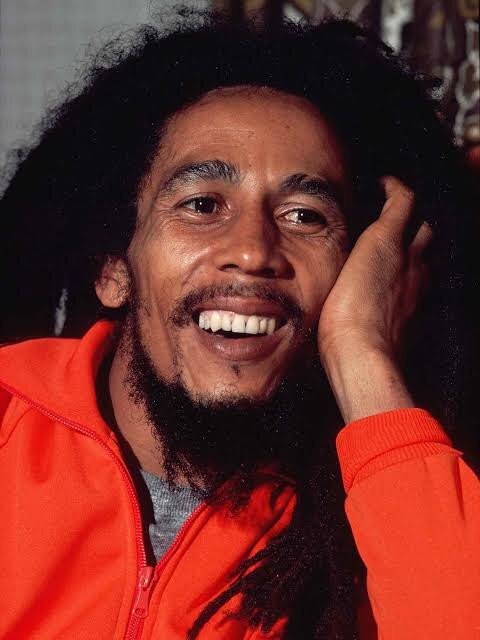
In 1974, Bob Marley released “Them Belly Full (But We Hungry),” a powerful anthem that resonates even more profoundly today, especially in Nigeria. The song’s lyrics vividly capture the despair of those who suffer under economic hardship and social inequality, painting a picture of a society where the divide between the haves and the have-nots is both stark and painful. The chorus, “Them belly full, but we hungry,” speaks directly to the Nigerian reality; a nation where wealth is concentrated in the hands of a few, while the vast majority struggle daily just to survive.
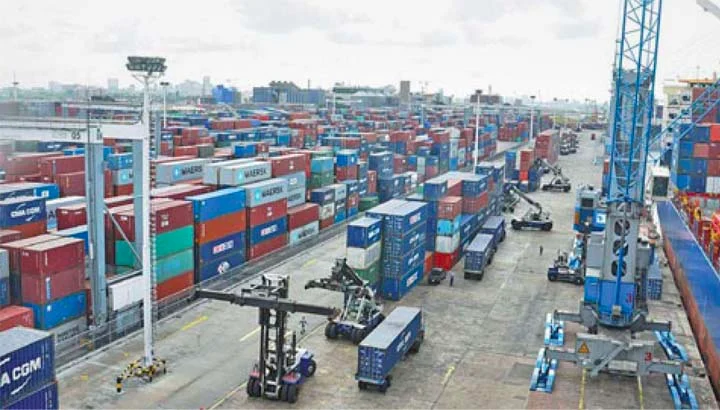
In Nigeria, the contrast between the rich and the poor is glaring. The elite live in opulent estates, drive luxurious cars, and send their children to prestigious schools abroad. In sharp contrast, the average Nigerian contends with dilapidated infrastructure, skyrocketing prices of basic commodities, and a failing healthcare system. Despite the country’s abundant natural resources, wealth is unevenly distributed, and the majority remains trapped in poverty.
Bob Marley’s lyrics, “A hungry mob is an angry mob,” forewarn of the consequences of such disparity. In Nigeria, this warning is manifesting in the growing discontent among the population. Protests, unrest, and rising crime rates are signs of a population pushed to its limits. When the people are hungry and feel ignored by those in power, they become desperate, and this desperation can lead to chaos.
Not only are the people collectively turning into a literary time bomb that is bound to explode, the cost of living gets so high so much that it seems not to show any sign of abatement as both the rich and the poor are crying by each passing day. As if Marley had Nigeria in mind in 1974 when he sang “Them Belly Full (But We Hungry),”his song reflects on the universal truth that economic hardship spares no one. In fact, in Nigeria, the burden is disproportionately borne by the poor. Inflation has soared, with the prices of foodstuffs, fuel, and other essentials rising beyond the reach of many. The government’s efforts to provide relief through subsidies and palliatives have often been marred by corruption and inefficiency, leaving the most vulnerable even more exposed.
The imagery in Marley’s lyrics, “A rain a fall, but the dirt it tough,” symbolizes the harsh reality that even when opportunities for improvement arise, they are often inaccessible to those who need them most. In Nigeria, even as the global economy recovers, the benefits fail to trickle down to the lower echelons of society. For many, it feels like trying to cultivate crops in barren soil, no matter how hard they work, they can’t seem to reap the rewards.
Without a doubt, Marley encourages his listeners to “forget your troubles and dance,” offering a temporary escape from the harsh realities of life. In Nigeria, entertainment often serves as a similar refuge. Music, dance, and comedy provide momentary relief from the daily grind. But just as Marley’s lyrics suggest, this is only a temporary balm, not a cure for the deep-seated issues that plague the nation.
In fact, the resilience of Nigerians is remarkable; despite the challenges, they find ways to celebrate life. But beneath the surface of this resilience lies a growing frustration. The joy of music and dance can only do so much to alleviate the pain of hunger and inequality.
The song ends on a hopeful note, with Marley urging the weak to become strong and resist the forces that oppress them. In Nigeria, this message is more relevant than ever. The nation must address the systemic issues that perpetuate inequality. Corruption, poor governance, and a lack of accountability continue to hinder progress.
Given the foregoing, Nigerian leaders must listen to the cries of the people and take meaningful action to bridge the gap between the rich and the poor. It is not enough to promise change; they must deliver it. Until then, the lyrics of “Them Belly Full (But We Hungry)” will continue to serve as a poignant reminder of the struggle that millions of Nigerians face every day.
The hungry mob is growing, and as history has shown, when the people rise, change becomes inevitable. For the sake of Nigeria’s future, President Bola Ahmed Tinubu should ensure that change comes sooner rather than later.






















You must be logged in to post a comment Login