Africa
We Cannot Afford Division, It Is Too Expensive -By Leonard Karshima Shilgba
Federal authorities take divided states less seriously; internal rifts reduce the credibility of demands for urgent action. I don’t believe that President Tinubu would have talked down on Benue people, without empathy, the way he did, if he was convinced that the “people are one.” A divided house shall fall.

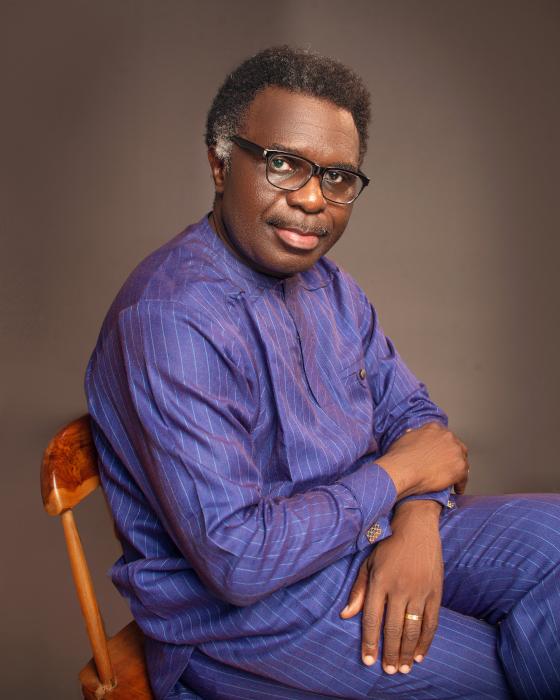
President Tinubu visited Benue State on Wednesday, June 18, supposedly on a condolence visit. Among other things, he called for unity, collaboration, and composition of a “committee” in search of solutions. Barely 72 hours after the visit, the representative of the Makurdi/Guma Constituency, where the Yelewata massacre happened a week ago, descended on the grieving Gov. Alia on a national television station with accusations, not accommodation, castigation, not cooperation, and vitriolic spewings.
What Might Hon. Tarkigh of Makurdi/Guma Constituency Hope to Achieve?
1. Political Positioning:
He may be seeking to distance himself from the state government to curry favor with federal power brokers or national party figures who may be seeking to validate private allegations that they have made to President Tinubu against Gov. Alia. The way President Tinubu spoke in Makurdi on Wednesday, June 18 convinced me that he was gradually becoming intoxicated with the narrative he was fed by his gatekeepers against Gov. Alia. He failed to condole with Gov. Alia, rather, President Tinubu openly castigated him, humiliated him, and aggravated his grief. Hon. Tarkigh saw through this.
It could be an attempt to position himself as a “truth-teller” who holds even his party or state to account, hoping to gain public sympathy or higher office.
2. Deflection from Personal Responsibility:
By focusing blame on the governor, Hon. Tarkigh may be deflecting from his own legislative failure to raise motions or initiate federal responses to insecurity in his constituency.
3. Sabotaging Unity for Political Gain:
The move may be part of intra-party or factional rivalry, aimed at weakening the governor’s public standing or legitimacy ahead of future elections or appointments, or his efforts to unite his people against a common enemy.
4. Lack of Political Maturity or Strategy:
Sometimes, such actions stem from emotional impulsiveness or lack of situational awareness—failing to recognize that public unity is crucial during a crisis. And Benue State’s elected or appointed public officials owe Benue people at least this: PUBLIC UNITY in the face of their existential threat. And the earlier they suspended their political calculations the better for the people they presently represent.
Why The Conduct of Hon. Tarkigh is Counterproductive:
* Demoralizes Victims: At a time of mourning and fear, internal finger-pointing from a representative of the people further disorients the grieving community.
* Emboldens the Enemy: Disunity at leadership level signals to attackers that there is no coordinated defense or leadership resolve.
* Weakens Negotiating Power: Federal authorities take divided states less seriously; internal rifts reduce the credibility of demands for urgent action. I don’t believe that President Tinubu would have talked down on Benue people, without empathy, the way he did, if he was convinced that the “people are one.” A divided house shall fall.
How Governor Alia Should Respond:
1. Rise Above Personal Attacks:
The governor should avoid responding emotionally or defensively. Let statesmanship outweigh partisanship.
2. Invite Unity Through Inclusive Action:
Publicly invite Hon. Tarkigh and other federal lawmakers from Benue to a closed-door security roundtable.
Extend invitations to all political tendencies and show that defence of Benue is beyond political camps.
3. Redirect the Narrative:
In press statements, focus on what is being done, the urgency of the crisis, and the need for solidarity, without mentioning the Honourable’s name or position.
Use phrases like, “This is not the time to apportion blame, but to pool courage.”
4. Privately Reprimand, Publicly Lead:
If needed, the governor can communicate directly with Hon. Tarkigh, reminding him of the larger responsibility they both share—protecting their people’s lives.
5. Mobilize Elders and Influencers:
Let respected voices (e.g., Tor Tiv, bishops, former governors, elder statesmen, opinion leaders) reinforce the message of unity in public forums.
Final Thought:
Hon. Tarkigh’s approach, whether born of political calculation or shortsightedness, does not help the people of Makurdi/Guma or the grieving families in Yelewata. But the true leader is the one who unites even in provocation. If Governor Alia responds with maturity, strategic inclusiveness, and visible action, the people will recognize who truly leads in crisis.
© Shilgba