Africa
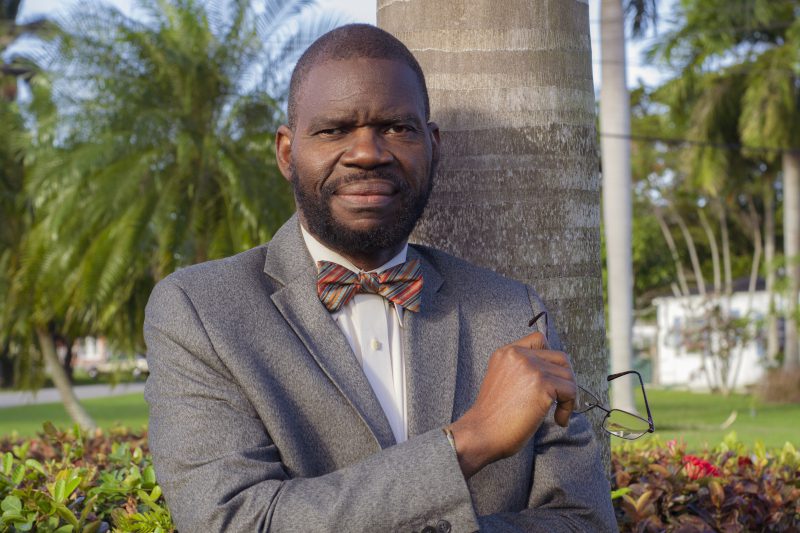
When a People Rise, History Responds: Umunogodo and the Power of Remembering -By Engr. Chris Ebia
Umunogodo’s choice to remember its builders has become a catalyst for renewal, unity, and development. It is proof that progress is not always about new ideas, but often about old values rediscovered.


Every community reaches a defining moment. A point where it must either forget its past and drift aimlessly into decline or consciously remember, rise, and redirect its destiny. For Umunogodo, Umudomi, Igboeze Onicha, in Onicha Local Government Area of Ebonyi State, that defining moment came on February 19, 2026.
It was not merely a date on the calendar. It was a statement of intent. A declaration that a people long underestimated had chosen to take ownership of their history, honour their pathfinders, and shine a deliberate light on development driven from within.
On that day, twelve illustrious sons and daughters of Umunogodo were inducted into the Hallowed Umunogodo Hall of Fame, 2026. But beyond the applause, plaques, and formalities, the event represented something deeper and more enduring: the awakening of communal consciousness.
Why Communities Must Remember
Societies that fail to remember their builders often struggle to build anything lasting. Development without memory is fragile; progress without values is temporary.
For decades, many rural communities across Nigeria have waited—waited for government intervention, waited for external recognition, waited for miracles that never came. In the process, history faded, heroes were forgotten, and young people grew up disconnected from the sacrifices that gave them a place to stand.
Umunogodo chose a different path.
The Hall of Fame initiative was a conscious effort to document, celebrate, and institutionalize memory. Not as nostalgia, but as a strategic tool for development. By telling our own story, we reclaimed our narrative from silence.
The Meaning Behind the Honours
The twelve inductees(awardees )represented milestones—“firsts” that changed the trajectory of the community.
They included pioneers of education who broke barriers when schooling was neither popular nor easy. Men and women who became the first graduates, teachers, PhD holders, and professionals at a time when such achievements seemed impossible for a rural child.
Others were honoured for visionary leadership. Leaders who resisted the temptation of personal enrichment and instead channelled resources into projects that benefited the collective. Town halls were built, public roads constructed, and systems of accountability introduced when corruption was already becoming normalized elsewhere.
There were trailblazers who transformed the physical landscape of Umunogodo: the first to replace mud structures with cement blocks, the first to erect storey buildings, and the first to grade access roads connecting the community to the expressway. These were not merely construction projects; they were symbols of a mind-set, shift from limitation to possibility.
Equally honoured were pioneers in faith, healthcare, engineering, education sponsorship, and military service. Individuals who opened doors that many now walk through without knowing who first unlocked them.
Together, these twelve lives told one story: development begins when someone dares to go first.
A Ceremony That Preached Without Words
Perhaps the most powerful lesson of the event came without a microphone.
As awards were announced, it became evident that some of the honourees had passed on nearly four decades ago. In their place, children and family members stepped forward to receive the recognition.
In that moment, the air changed.
It was a silent sermon. One louder than any speech. A reminder that life is longer than breath, and legacy outlives flesh. Long after a man is buried, his deeds continue to speak either as blessings that open doors for his descendants or as burdens that follow them into generations yet unborn.
Our elders captured this truth succinctly: “When a man plants thorns, his children do not harvest mangoes.” It is wisdom forged by experience. How we live today does not end with us; it travels forward in time.
Development Is First a Moral Decision
Too often, development is discussed only in terms of money, government policies, or foreign aid. But history shows that true development begins with values.
Umunogodo’s journey underscores this truth. Before visible infrastructure came renewed unity. Before roads came responsibility. Before projects came purpose.
By choosing to honour integrity, service, sacrifice, and courage, the community began to rebuild not just structures, but trust. People at home and in the diaspora rediscovered pride in identity. Young people began to see models worth emulating—not celebrities on screens, but men and women from their own soil who rose through discipline and selflessness.
Development is not imported. It is cultivated.
Identity as a Catalyst for Progress
One of the most damaging effects of neglect is identity erosion. When people forget who they are and where they are coming from, they lose direction.
The Hall of Fame initiative reversed that erosion. It reminded the people of Umunogodo that they are heirs to resilience, innovation, and courage. That their village was not built by accident, but by men and women who chose responsibility over excuses.
In recent years, this renewed sense of identity has translated into tangible progress—improved infrastructure, increased community participation, and a growing culture of accountability in leadership and project execution.
When people rediscover their roots, they grow wings.
A Lesson Beyond Umunogodo
The story of Umunogodo is not unique, but it is instructive. Across Nigeria, many communities possess untold stories of sacrifice and brilliance buried under neglect. The danger is not lack of potential; it is lack of remembrance.
Communities that honour their past create blueprints for their future. Those that forget repeat mistakes and wander without direction.
This is why initiatives like community halls of fame, documented histories, and institutional memory matter. They are not luxuries. They are necessities for sustainable development.
A Timeless Burden
Centuries ago, Nehemiah articulated a burden that remains relevant today:
“Why should not my countenance be sad, when the city, the place of my fathers’ sepulchres, lieth waste, and the gates thereof are consumed with fire?” (Nehemiah 2:3)
That question still confronts every generation. Will we walk past decay with indifference, or will we rise to rebuild?
Like Nehemiah, the people of Umunogodo chose not to look away. They chose remembrance as a foundation for restoration.
Beyond Plaques and Applause
The ultimate value of February 19, 2026, lies not in awards, but in the values it reinforced. Integrity over opportunism. Service over self-interest. Legacy over momentary gain.
The Hall of Fame is a mirror held up to the present generation, asking a simple but demanding question: What will be said of us when we are gone?
Will our children inherit honour or explanations?
Conclusion
When a people rise, history does not merely observe, it responds. And when history responds, it records.
Umunogodo’s choice to remember its builders has become a catalyst for renewal, unity, and development. It is proof that progress is not always about new ideas, but often about old values rediscovered.
The lesson is clear: a people who honour their past are better equipped to secure their future.
And that lesson deserves to be told again and again.
Engr Chris Ebia
REngr, MNIPES, MIAENG, MNIEEE, MIAPMNN
MD/CEO, MYDREAM ENGINEERING SOLUTIONS LTD & an illustrious son of Umunogodo, Ebonyi State