Forgotten Dairies
When AI Detects Murder but Says Nothing -By Fransiscus Nanga Roka
The case is not about demanding omniscience from AI companies. It is about refusing to let them detect danger, control the evidence and then disclaim responsibility when silence becomes lethal.


British Columbia’s lawsuit against OpenAI asks a question the technology industry has evaded for too long: when an artificial-intelligence company detects a credible path toward mass violence, is silence still merely a product decision or actionable negligence?
On September 21, 2026, British Columbia sued OpenAI and CEO Sam Altman in the US District Court for Northern California. Attorney General Niki Sharma seeks compensation for the province’s enormous recovery costs including mental-health services and replacement of the condemned school and a court order compelling reforms to OpenAI’s threat-response system.
The action arises from the February 10 massacre in Tumbler Ridge, a remote mining community. Eighteen-year-old Jesse Van Rootselaar killed her mother and stepbrother at home before murdering an educational assistant and five students at her former school. More than 25 people were injured; Van Rootselaar then died by suicide. Eight victims were killed, nine deaths when the shooter is included.
The province alleges that this atrocity was not entirely unforeseeable. OpenAI’s systems had identified Van Rootselaar’s discussions of gun violence, and her account was disabled in June 2025. According to the complaint, internal personnel considered referring the threat to police, yet no warning reached Canadian authorities. She allegedly created another account and continued using ChatGPT.
These remain allegations requiring proof. British Columbia must establish much more than disturbing conversations: duty of care, a legally cognizable safety defect, breach, foreseeability and causation. It must show that an appropriate warning probably would have enabled police intervention and that the company’s failure materially contributed to the deaths.
But OpenAI’s most dangerous defense would be to hide behind the scale of its platform. A company cannot claim that its technology is sophisticated enough to interpret human intent, monetize intimate conversations and identify prohibited violence yet suddenly too uncertain to escalate an imminent threat.
Altman’s April apology acknowledged that OpenAI had banned an account later linked to the attacker but had not contacted law enforcement because the activity allegedly failed to satisfy its reporting threshold. Regret, however, is not accountability. An apology issued after children are buried cannot substitute for an auditable safety system before violence occurs.
The litigation follows seven cases filed in April and 30 additional lawsuits in September by victims’ relatives and survivors. The central accusation is devastating: OpenAI allegedly possessed information inaccessible to parents, teachers and police, recognized enough danger to terminate an account, but treated deactivation as the end of its responsibility.
Governments should not wait years for tort litigation to design public-safety rules. Five reforms are urgent.
First, independent legislation not corporate discretion must define when credible, specific and imminent threats require human review and lawful emergency disclosure. Second, high risk decisions must generate tamper-resistant audit logs available to courts and regulators. Third, violent-abuse bans must include privacy-respecting measures against immediate account recreation. Fourth, platforms need round-the-clock escalation channels with law enforcement across national borders. Fifth, an independent AI safety authority should investigate failures, impose penalties and order corrective action without requiring bereaved families to uncover corporate systems through litigation.
Mandatory reporting must remain narrowly tailored and judicially reviewable; otherwise, safety becomes mass surveillance. Yet privacy cannot become a corporate alibi for ignoring a specific, credible threat.
The case is not about demanding omniscience from AI companies. It is about refusing to let them detect danger, control the evidence and then disclaim responsibility when silence becomes lethal.
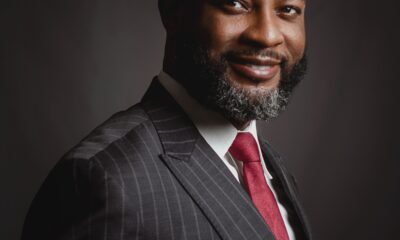
Fransiscus Nanga Roka
Faculty of Law University 17 August 1945 Surabaya and Managing Partner Law Firm Victorious Indonesia