Africa
Which Gubernatorial Candidate In Edo State Is Afraid Of Debate And Public Speaking?, by Isaac Asabor

As the 2024 gubernatorial race in Edo State gathers momentum, the focus is increasingly shifting from campaign promises to the candidates’ abilities to communicate effectively with the public. In a state where the electorate is becoming more politically aware and demanding, the importance of public speaking and debate cannot be overstated. These platforms offer voters a direct insight into each candidate’s vision, policies, and ability to lead. However, a troubling trend has emerged in this election cycle: the reluctance of certain candidates to engage in debates and public speaking events, raising serious concerns about their preparedness for the role of governor.
Public speaking is not merely a tool for delivering campaign rhetoric; it is a fundamental aspect of leadership. A candidate’s ability to articulate their ideas, respond to challenges, and connect with diverse audiences is a critical measure of their suitability for office. In Edo State, where political dynamics are complex and the stakes are high, the electorate expects nothing less than clarity, confidence, and competence from those who aspire to lead.
The reluctance of some gubernatorial candidates to participate in debates is therefore alarming. These forums are designed to give the electorate a transparent view of who the candidates are, what they stand for, and how they intend to govern. Avoiding these opportunities can suggest a lack of preparedness, a deficiency in communication skills, or worse, an unwillingness to subject one’s ideas to public scrutiny.
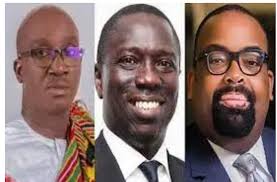
One candidate who has become the center of this debate is Senator Monday Okpebholo, the All Progressives Congress (APC) gubernatorial aspirant. Okpebholo’s conspicuous absence from public debates and his overall hesitancy to engage in public speaking events have not gone unnoticed. His reluctance became glaringly apparent when recently, Okpebholo was conspicuously absent during a debate organized by the Unuedo Renaissance, one of the most important social-cultural Edo diaspora groups, where the PDP candidate, Asue Ighodalo, squared up against the Labor Party candidate, Olumide Akpata, a development that has since become a hot topic among political analysts and the general public alike.
The ability to debate effectively is not just about winning arguments; it’s about demonstrating the qualities that make a leader: decisiveness, intellectual rigor, and the capacity to inspire confidence. When a candidate avoids these opportunities, it raises legitimate concerns about their ability to lead under pressure. For voters in Edo State, this avoidance could be a red flag, signaling that a candidate may lack the necessary qualities to navigate the complex challenges of governance.
Moreover, in a democratic setting, debates are a crucial part of the electoral process. They allow voters to compare candidates side by side, assessing their policies, their vision, and their ability to respond to real-time challenges. By choosing not to participate, a candidate denies the electorate the chance to make an informed decision. This not only undermines the democratic process but also suggests a troubling lack of respect for the voters who deserve to hear directly from those who seek to lead them.
The implications of this reluctance extend beyond the individual candidate. It reflects on the overall political culture and the level of accountability that the electorate can expect from their leaders. In Edo State, where political engagement is on the rise, the electorate is unlikely to look kindly on a candidate who appears to be hiding from public scrutiny. The ability to engage openly and confidently with the public is not just a campaign skill,it is an essential part of governance.
Furthermore, public speaking and debates are critical for building trust between a candidate and the electorate. Voters want to see that their leaders are not only capable but also approachable and transparent. They want to know that their concerns will be heard and addressed, not brushed aside. A candidate who avoids these interactions may be seen as disconnected from the people they intend to govern, further eroding their credibility and appeal.
In contrast, candidates who embrace these opportunities demonstrate their readiness to lead. They show that they are not afraid to stand by their policies, answer tough questions, and engage with the public in a meaningful way. This willingness to be open and transparent is a strong indicator of a candidate’s commitment to accountability and good governance.
As the election draws closer, it is imperative for the electorate in Edo State to critically evaluate not only what the candidates are saying but also how they are choosing to say it. A candidate’s approach to public speaking and debate offers valuable insights into their leadership style and their ability to navigate the complexities of governance. Edo State needs a leader who is not only capable of making sound decisions but also willing to engage openly with the public and address their concerns head-on.
The reluctance of any candidate to participate in debates and public speaking events should be a significant concern for voters. It is a potential indicator of how they might govern, avoiding difficult situations, shying away from public scrutiny, and failing to communicate effectively with the people. For a state as diverse and dynamic as Edo, these are not qualities that inspire confidence.
In the final analysis, the question facing the voters of Edo State is a critical one: Do we want a leader who avoids the spotlight, or do we want someone who embraces it, confident in their ability to lead and communicate effectively? The answer to this question will shape the future of Edo State, determining not just the outcome of this election, but the trajectory of the state’s governance for years to come.
In this election, more than ever, the electorate’s choice will be influenced by not just the policies but the personalities of the candidates. Those who are willing to stand before the people, defend their ideas, and engage in open debate are the ones most likely to earn the trust and confidence of the voters. Edo State deserves a governor who is not only prepared to lead but is also unafraid to speak directly to the people they aim to serve.