Africa
Alarming Rate of Accident-Related Deaths and the Urgent Need for Action -By Tochukwu Jimo Obi
Finally, the welfare of FRSC personnel should never be overlooked. These men and women risk their lives daily, standing on highways, responding to crashes, and dipping their hands in blood to rescue victims. Their safety, remuneration, and working conditions deserve serious attention. Road safety is everyone’s business, and only through collective effort, responsible behaviour, and strong government support can Nigeria tackle this menace and save thousands of lives annually.

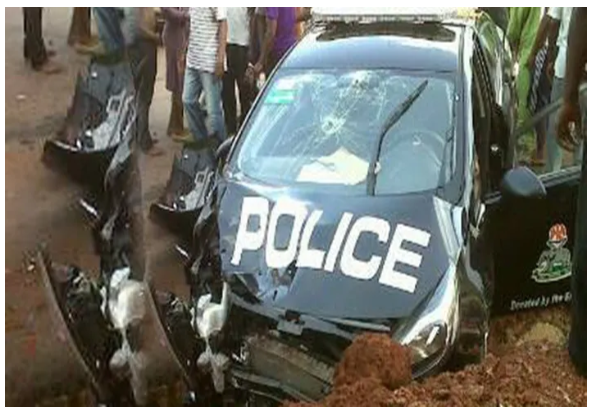
Nigeria’s roads have once again become theatres of avoidable tragedy, as recent statistics from the Federal Road Safety Corps (FRSC) reveal a disturbing picture. In 2025 alone, about 5,289 deaths were recorded from 10,446 road traffic crashes across the country. These figures are not just numbers; they represent thousands of lives cut short, families shattered, and a nation bleeding silently from a crisis that demands immediate and decisive action.
Although the data shows a marginal improvement, a 2.4 percent reduction in fatalities compared to the 5,421 deaths recorded in 2024 the situation remains deeply troubling. Any sense of relief drawn from this slight reduction would be misplaced, as the death toll is still unacceptably high. A country that continues to lose over 5,000 citizens annually to road crashes cannot afford complacency or cosmetic responses to road safety challenges.
More concerning is the demographic impact of these deaths. Many of the victims are young and middle-aged Nigerians, the most economically active segment of the population. Losing such a significant number of productive citizens every year undermines national development and places additional social and economic burdens on families and the state. Road safety, therefore, should not be treated with lip service or routine statements, but as a national emergency.
As Nigeria continues to witness a steady increase in vehicular traffic due to population growth, urbanisation, and economic activities, deliberate and well-coordinated efforts must be made to ensure safety on the roads. Without proactive measures, the growing number of vehicles will only translate into more crashes, injuries, and deaths.
The FRSC, under the current leadership of Shehu Mohammed, has demonstrated capacity, willingness, and professionalism in tackling road traffic crashes. Enforcement strategies and emergency response interventions by the Corps have yielded measurable results, as reflected in the slight reduction in fatalities. However, these efforts must now be intensified, expanded, and sustained to achieve a more significant and lasting impact.
That said, road safety cannot be the responsibility of the FRSC alone. Maintaining safety on Nigerian roads requires collaboration and collective commitment from all stakeholders. Road users, particularly drivers of commercial and private vehicles, must take personal responsibility by obeying traffic rules and regulations. Speeding, reckless driving, and other human-related factors continue to account for the majority of road crashes in the country.
There is also a compelling case for the federal government to declare a state of emergency on road traffic crashes. Such a declaration would underscore the seriousness of the problem and enable the deployment of stronger policies, stricter enforcement mechanisms, and targeted public awareness campaigns aimed at drastically reducing, if not eradicating, accident-related deaths.
Equally important is the need to strengthen the operational capacity of the FRSC. Many of its vehicles and equipment are ageing or obsolete, limiting the effectiveness of patrols and rescue operations. The provision of new vehicles, modern equipment, and improved logistics is essential. Adequate funding of the Corps must also be guaranteed to support these needs and to sustain a safer motoring environment nationwide.
Finally, the welfare of FRSC personnel should never be overlooked. These men and women risk their lives daily, standing on highways, responding to crashes, and dipping their hands in blood to rescue victims. Their safety, remuneration, and working conditions deserve serious attention. Road safety is everyone’s business, and only through collective effort, responsible behaviour, and strong government support can Nigeria tackle this menace and save thousands of lives annually.
Tochukwu Jimo Obi, a road safety advocate writes from Abuja.