Forgotten Dairies
Anioma State: The Zion Train Arriving For Igbanke People -By Isaac Asabor
What stands out to me is how, despite everything, Igbanke has held on to its identity. Our language, our traditions, our sense of origin, they have endured. That tells me something important: identity does not disappear just because it is not fully reflected in administrative structures. But now, for the first time in a long time, there is a real opportunity to bring that identity into fuller expression.

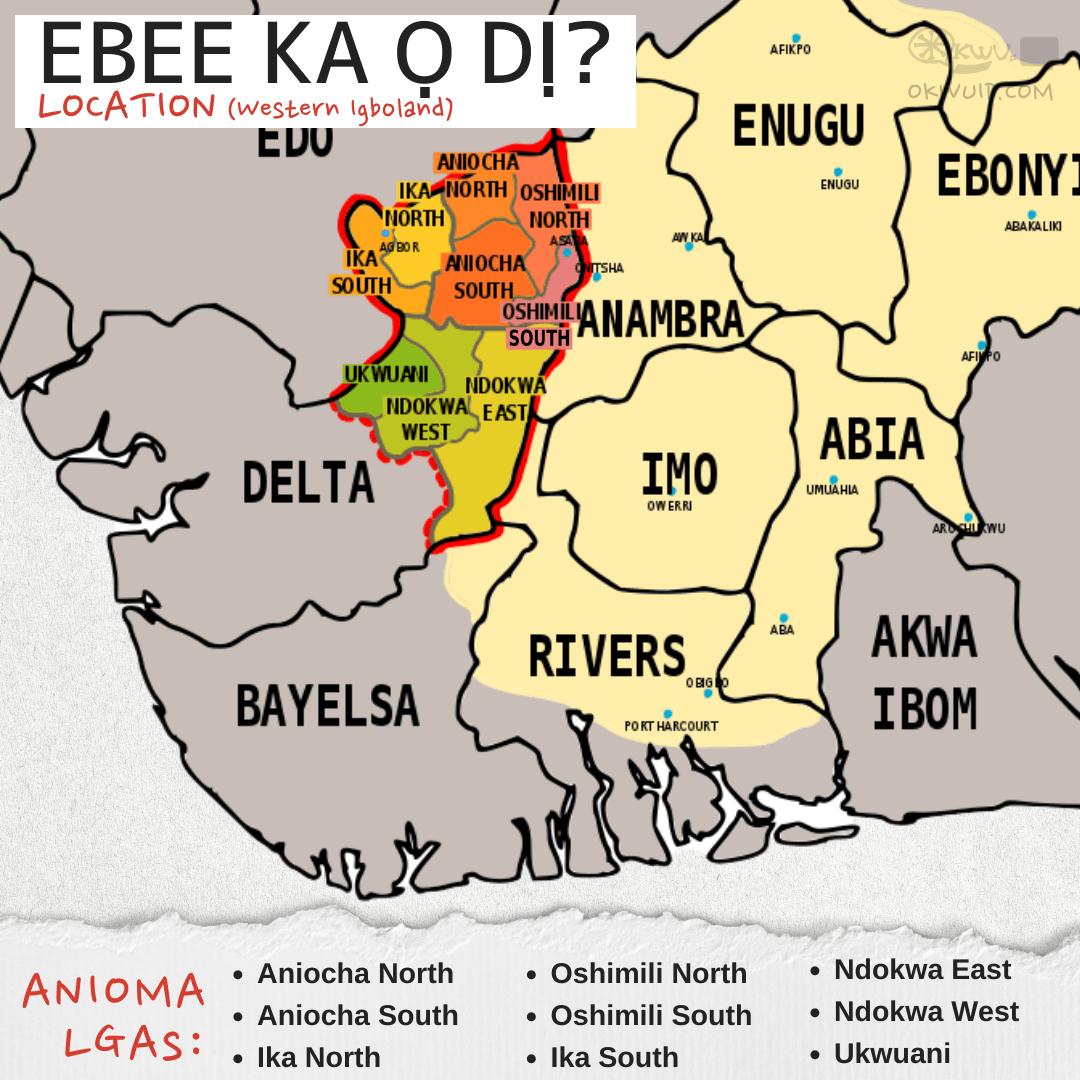
There are moments when you just know history is shifting, not loudly, not all at once, but in a way that forces you to stop and think about who you are and where you truly belong. For me, and for my people in Igbanke, the growing push for Anioma State is one of those moments.
Some might see it as just another state creation demand in Nigeria. I do not. I see something deeper. I see a long journey finally approaching a meaningful stop. I see what I can only describe as a Zion Train arriving for my people.
The idea of the “Zion Train,” as captured by Bob Marley, has always been powerful. It speaks of movement, leaving behind confusion, imposed identities, and systems that do not quite fit, and heading toward clarity, truth, and belonging. In that sense, Anioma State is not just politics for me; it feels like a form of arrival. Because if I am honest, Igbanke has lived in an in-between space for too long.
We are administratively tied in one direction, shaped by Benin influence, yet culturally and linguistically rooted in the Igbo world. That duality is not just something you read about, it is something you feel. It raises quiet questions that never really go away: Where exactly do we stand? Who are we within this structure? Why does it feel like we are always adjusting, always explaining ourselves? Even the Benin people who are vehemently resisting Igbanke people’s movement to join the Zion Train literarily to the iLand of Zion are wont to derogatorily call us “Owi Igbo” or “Owi Ika”. This term, often derogatorily used for Ika-speaking communities in Edo State like Igbanke, highlights their distinct identity and historical relationship with the Benin Kingdom.
That kind of existence wears on a people. It affects how you see yourself, how others see you, and how confidently you can claim your place in the national conversation. This is why the Anioma conversation hits differently for me.
It is not just about creating a new state. It is about alignment. It is about finally bringing political identity closer to cultural truth. It is about removing that constant need to explain who we are.
For me, that is what this “Zion Train” represents, a movement away from a long-standing mismatch, toward something that feels more natural, more honest. And it is not just physical or political. It is mental.
For years, many of us simply accepted things as they were, not because it felt right, but because it felt fixed. But the growing momentum around Anioma State is beginning to challenge that mindset. It is pushing me, and I believe many others, to think differently, to ask not just “what is”, but “what should be”. The shift matters. Because there is a big difference between existing within a system and actually belonging in it.
What stands out to me is how, despite everything, Igbanke has held on to its identity. Our language, our traditions, our sense of origin, they have endured. That tells me something important: identity does not disappear just because it is not fully reflected in administrative structures. But now, for the first time in a long time, there is a real opportunity to bring that identity into fuller expression.
Anioma State, to me, feels like a kind of homecoming, not in the sense of moving physically, but in the sense of finally aligning governance with who we truly are. That said, I’m not naïve about it.
Creating a state would not magically fix everything. There will still be political challenges, economic realities, and leadership questions. No serious person should pretend otherwise. But at the same time, I will not downplay what this moment represents. Symbolism matters. Identity matters. The feeling of being seen and recognized within a system matters.
And for my people, this could be the shift from being on the margins of a narrative to standing firmly at its center. There is also something deeply emotional about it. That sense of finally being acknowledged, not halfway, not conditionally, but fully, can change how a people think, how they organize, and how they move forward. That is why the Zion Train metaphor stays with me.
Because it is not just about hope, it is about action. It is about recognizing a moment and deciding not to let it pass. Right now, that train feels real. It is in the growing conversations, the rising awareness, and the increasing political will around Anioma State. But here is the truth: no train moves people who refuse to get on.
For me, and for my Igbanke people, this moment demands more than passive observation. It calls for engagement, for thinking critically about the kind of future we want, and the kind of state we are willing to help build. Because in the end, this is not just about land or boundaries. It is about identity. It is about dignity. It is about finally feeling at home within the system that governs us. That is what Anioma State represents to me. The Zion Train is not a distant idea anymore, it is here.
And the real question now is simple: will we step forward and board the Zion Train, and claim what it offers, or will we watch it pass us by?