Forgotten Dairies
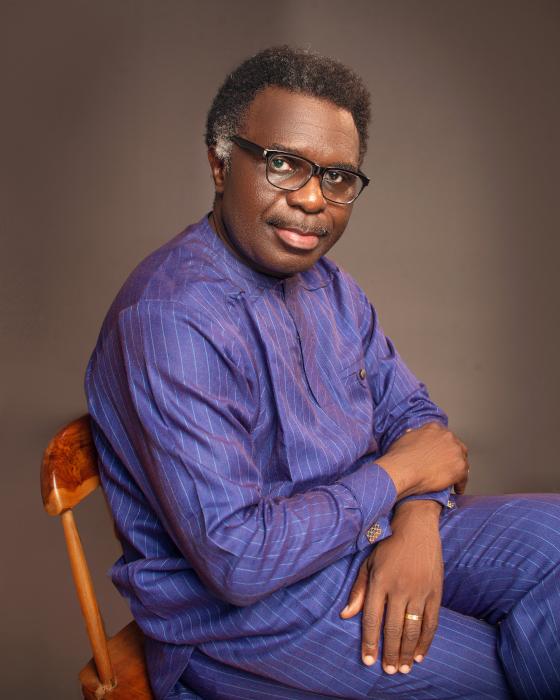
Between “Japa” and Justice: A Nation at War with Its Own Future -By Leonard Karshima Shilgba
People do not abandon a land that works.
They do not flee systems that reward merit, protect dignity, and give room for honest labour to flourish. Migration becomes a “plague” only when staying behind becomes a slow form of dying—intellectually, economically, and even spiritually.

Funke Egbemode’s piece is powerful, haunting, and painfully honest. It captures a reality many Nigerians feel but struggle to articulate: a slow, quiet emptying—not just of homes, but of hope.
Yes, Chief Adeyemi is Nigeria.
But the deeper question is this: Who made him so?
Let us be frank.
People do not abandon a land that works.
They do not flee systems that reward merit, protect dignity, and give room for honest labour to flourish. Migration becomes a “plague” only when staying behind becomes a slow form of dying—intellectually, economically, and even spiritually.
The tragedy is not simply that Nigeria’s best are leaving.
The tragedy is that many of those who chose to stay and build are being punished for it.
The Forgotten Class: Those Who Stayed
There is a group Funke’s narrative touches only lightly but deserves central attention: Nigerians who refused to “japa,” not out of lack of opportunity, but out of conviction.
These are men and women who:
- Chose integrity over compromise
- Refused to “play ball” in corrupt systems
- Believed Nigeria could still be built from within
And what has been their reward?
Frustration.
Marginalization.
Blocked opportunities.
Character assassination.
Systematic exclusion.
In many sectors—academia, public service, governance—the rule has become brutally simple:
Join the system or be buried by it.
So we must ask:
Is it moral to demand patriotism from citizens while denying them justice?
“Hope Deferred Makes the Heart Sick”
The wisdom of Book of Proverbs (13:12) is not poetry—it is policy truth.
When hope is repeatedly deferred:
- The mind grows weary
- The body loses energy
- The spirit begins to fracture
A nation that keeps its most principled citizens in a permanent state of frustration is not just losing talent—it is destroying the very soul required to rebuild itself.
Under such conditions, “japa” is no longer a choice.
It becomes self-preservation.
The False Moral Burden
There is a subtle but dangerous moral pressure embedded in conversations like this:
that those who leave are somehow abandoning their country, and those who stay must endure indefinitely.
But let us be clear:
No nation has the right to demand sacrifice without offering fairness.
If a system:
- Rewards mediocrity over excellence
- Elevates loyalty over competence
- Protects corruption over integrity
Then it forfeits the moral authority to ask its best citizens to stay.
The Real Crisis: Not Migration, but Misrule
Migration is not Nigeria’s core problem.
It is a symptom.
The real crisis is:
- Broken institutions
- Capture of opportunity by narrow interests
- Absence of justice and meritocracy
Until these are addressed, every appeal to patriotism will sound hollow.
You cannot build a nation by guilt-tripping its victims.
The Conundrum, Honestly Faced
Funke presents a painful dilemma:
Stay and be stifled—or leave and be useful elsewhere.
For many Nigerians today, especially the principled and competent, this is not theoretical. It is deeply personal.
So what should they do?
The honest answer is uncomfortable:
- Some must leave—to preserve their sanity, dignity, and potential.
- Some must stay—to keep alive whatever remains of national conscience and resistance.
But no one should be condemned for choosing survival.
A Path Forward: From Lamentation to Reconstruction
If Nigeria is to reverse this drift, sentiment is not enough. We need structural courage:
- Radical Meritocracy
Appointments, promotions, and opportunities must reflect competence—not connections. - Protection for Integrity
Systems must shield, not punish, those who refuse corruption. - Deliberate Diaspora Engagement
Create pathways for Nigerians abroad to contribute meaningfully without bureaucratic suffocation. - Youth Inclusion in Governance
Not as tokens, but as decision-makers. - Moral Reawakening
A cultural shift where integrity is honoured—not mocked as naivety.
Final Reflection
Nigeria is not emptying because its people are disloyal.
It is emptying because too many have found loyalty to be costly—and often punished.
Chief Adeyemi’s loneliness is real.
But so is the silent suffering of those who stayed behind, fighting systems designed to break them.
If Nigeria truly wants its children back—
or even to stop them from leaving—
then it must first become a place worthy of their staying.
Until then, “japa” will continue—not as betrayal, but as a quiet, rational response to a nation that has yet to fully choose justice over convenience.
And that is the truth we must confront.