
Politics
Stop Dreaming: These Politicians Aren’t Here to Change Your Life They’re Only Fighting to Keep Power -By Daniel Nduka Okonkwo
For Nigeria to alter its trajectory, a shift in governance priorities is essential. This would involve strengthening transparency and accountability mechanisms, addressing rent-seeking practices, and implementing reforms aimed at long-term national development rather than short-term political gain. Equally critical is the need for a security strategy that prioritizes the protection of citizens and restores confidence in state institutions.

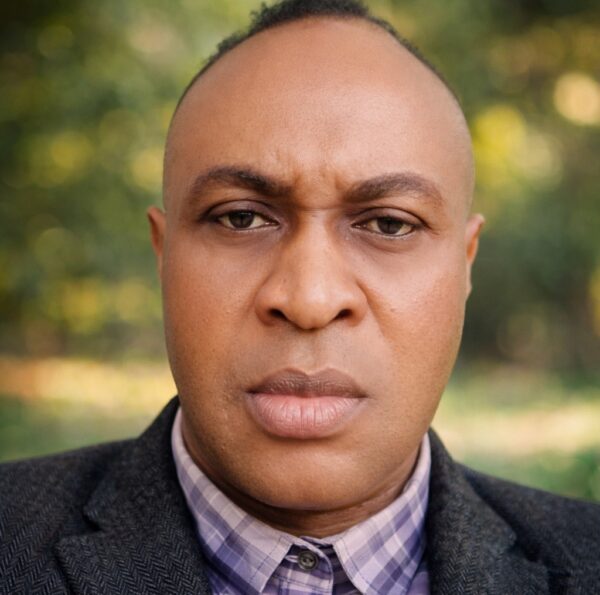
For decades, Nigeria has been shackled by a political elite more obsessed with clinging to power and hoarding wealth than uplifting the people. These rulers parade themselves as leaders, yet their true mission is self-preservation, not national transformation. Their dominance has suffocated innovation, entrenched privilege, and left citizens trapped in a cycle of poverty and darkness, with electricity still unreliable and opportunities shrinking by the day. The dream of a prosperous Nigeria has been hijacked, and unless this grip of the old guard is broken, the nation will remain a hostage to their greed.
Nigeria, the Giant of Africa, the most populous nation on the continent, and one of its largest economies, stands at a critical juncture. Decades after independence, the promise of prosperity and stability has, for many citizens, given way to persistent hardship marked by an unstable economy, rising poverty, and an increasingly complex security crisis. Across various regions and communities, violence and instability continue to disrupt lives, deepen displacement, and strain already fragile systems.
At the center of this national conversation is a familiar concern: the enduring dominance of a political class whose longevity in power has sparked intense public criticism. Many long-serving officeholders have prioritized political survival and economic advantage over structural reform and effective governance. In this view, institutions have been weakened by patronage networks, while innovation and accountability have been stifled.
This perspective reflects a broader frustration with governance outcomes. Nigeria’s electricity sector, for instance, continues to struggle with generation and distribution challenges, limiting industrial growth and affecting daily life. Economic pressures have intensified, with inflation and unemployment contributing to widespread hardship. Meanwhile, insecurity ranging from insurgency to communal clashes has expanded geographically, creating instability and underdevelopment.
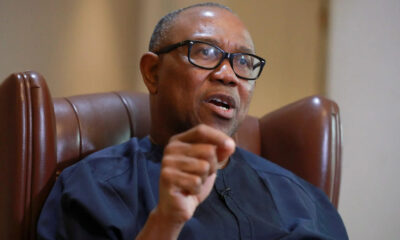
Within this landscape, the administration and figures such as Peter Obi, David Mark, Rabiu Kwankwaso, and others remain influential actors in ongoing political realignments ahead of the 2027 elections. Their continued relevance reflects both the resilience and the controversy surrounding Nigeria’s political elite. For supporters, such figures represent experience, institutional memory, and the ability to navigate a complex political terrain. For critics, however, their long-standing presence symbolizes a system resistant to change.
Allegations of financial mismanagement and corruption have further fueled skepticism. In the case of Kwankwaso, past investigations, including a 2021 probe by Nigeria’s Economic and Financial Crimes Commission over alleged pension fund mismanagement, have been widely reported. Kwankwaso has consistently denied any wrongdoing, describing such claims as politically motivated. More broadly, numerous high-profile politicians across party lines have faced similar scrutiny over the years, though convictions among top-ranking officials remain relatively rare.
Political mobility, often characterized by frequent party switching, has also drawn criticism. Detractors describe this trend as evidence of a politics of convenience, where ideological consistency is secondary to electoral viability and personal influence. The emergence of new coalitions and alignments, including movements toward smaller or rebranded parties, is viewed by some analysts as strategic repositioning rather than a genuine shift toward reform.
Yet, the debate is far from one-sided. Proponents of experienced leadership argue that governance in a country as diverse and complex as Nigeria requires seasoned actors who understand its institutional and political dynamics. They contend that continuity can provide stability, particularly in times of uncertainty.
Still, a growing segment of the population questions whether longevity in power has, in some cases, led to complacency and a disconnect from grassroots realities. The persistence of systemic challenges such as inadequate infrastructure, limited economic diversification, and gaps in public service delivery has reinforced perceptions that the current political framework disproportionately serves elite interests.
For Nigeria to alter its trajectory, a shift in governance priorities is essential. This would involve strengthening transparency and accountability mechanisms, addressing rent-seeking practices, and implementing reforms aimed at long-term national development rather than short-term political gain. Equally critical is the need for a security strategy that prioritizes the protection of citizens and restores confidence in state institutions.
As the country looks toward the next electoral cycle, the choices made by both leaders and voters will play a decisive role in shaping Nigeria’s future. Whether the nation can break free from entrenched patterns and chart a more inclusive and sustainable path remains one of the most pressing questions of its time.
Daniel Nduka Okonkwo is a Nigerian investigative journalist, publisher of Profiles International Human Rights Advocate, and policy analyst whose work focuses on governance, institutional accountability, and political power. He is also a human rights activist, advocate, and journalist. His reporting and analysis have appeared in Sahara Reporters, African Defence Forum, Daily Intel Newspapers, Opinion Nigeria, African Angle, and other international media platforms. He writes from Nigeria and can be reached at dan.okonkwo.73@gmail.com.














You must be logged in to post a comment Login