Africa
Can Governor Bala Mohammed Fulfill His Promise of Establishing Zaar Sayawa Chiefdom? -By Ezra John
In addition, administrative processes such as legal ratification, appointment of a traditional ruler, allocation of funds, and infrastructural arrangements must be finalized swiftly. Any bureaucratic delays could derail the project or reduce its credibility among the people. The governor must ensure that the relevant government ministries and agencies are fully mobilized and committed to expediting the required actions before the promised deadline.

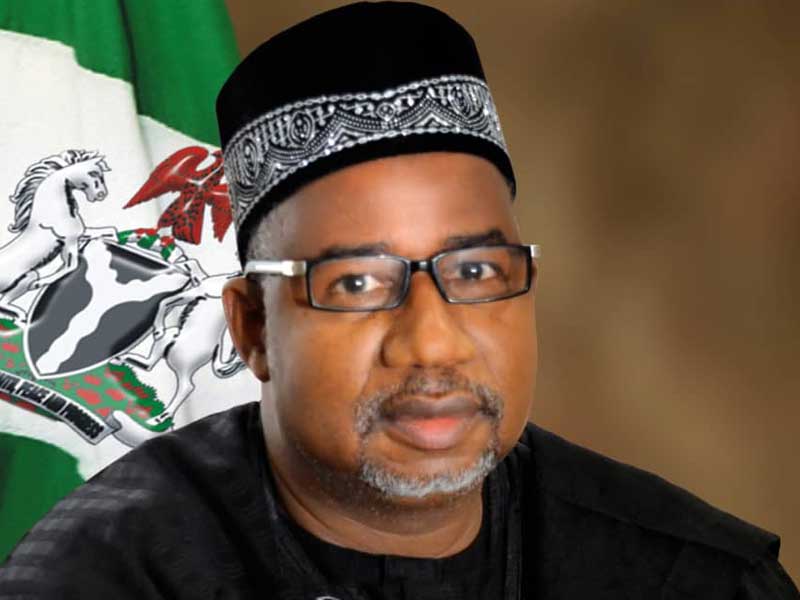
Governor Bala Mohammed of Bauchi State made a bold and historic promise to establish the Zaar Sayawa Chiefdom, with its proposed headquarters in Tafawa-Balewa. This move was designed to address the long-standing marginalization and ethno-religious tensions that have plagued the region for decades. Announced in December 2024, the governor set a six-month timeline for the fulfillment of this promise, projecting completion by June 2025. The pronouncement was met with mixed reactions, but it signaled a commitment to peace, inclusivity, and recognition of the Zaar people’s identity and autonomy.
The background of the promise reveals that it was not a spontaneous political statement but rather the result of careful deliberation and consultations. Multiple committees were constituted to examine the feasibility, implications, and modalities for creating the chiefdom. These bodies presented their findings, recommending the establishment of the Zaar Sayawa Chiefdom, thereby giving the governor a solid administrative and legal foundation to proceed. This indicates that the decision was rooted in due process and a genuine desire to promote lasting peace and justice in the area.
However, the path to actualizing this promise has not been without obstacles. The most prominent challenge has been the controversy surrounding the choice of Tafawa-Balewa as the chiefdom’s headquarters. While the Zaar Youth Development Association (ZAYODA) has hailed the decision as a long-overdue recognition of the Zaar identity, other groups, particularly the Nigerian Supreme Council for Islamic Affairs (NSCIA), have opposed it. The NSCIA has argued for Bogoro as a more appropriate headquarters, citing historical, moral, and demographic considerations. This divergence in opinions threatens to stall the implementation and escalate communal tensions if not carefully managed.
With less than a month remaining to the deadline, prospects for fulfilling the promise appear cautiously optimistic. Governor Bala Mohammed has made tangible progress by initiating the groundwork for the chiefdom’s creation, and there is a strong indication that he remains committed to the timeline. Nonetheless, the government must work swiftly to harmonize the conflicting views and secure consensus, or at least mutual tolerance, among the major stakeholders to avoid igniting fresh unrest.
The success of this initiative will largely depend on stakeholder buy-in. Ensuring that all ethnic, religious, and political groups feel adequately represented and considered is key to the stability and acceptance of the new chiefdom. The governor’s ability to bring together groups like ZAYODA, NSCIA, traditional leaders, and local political actors for meaningful dialogue will determine whether the chiefdom becomes a unifying force or a new source of division. Transparent communication and inclusive decision-making must remain central to the process.
In addition, administrative processes such as legal ratification, appointment of a traditional ruler, allocation of funds, and infrastructural arrangements must be finalized swiftly. Any bureaucratic delays could derail the project or reduce its credibility among the people. The governor must ensure that the relevant government ministries and agencies are fully mobilized and committed to expediting the required actions before the promised deadline.
In conclusion, while Governor Bala Mohammed has demonstrated political will and administrative action towards establishing the Zaar Sayawa Chiefdom, the success of this endeavor hinges on his ability to manage tensions, build consensus, and fast-track the remaining administrative processes. The coming weeks are critical, and with focused leadership, the long-awaited dream of the Zaar people could finally become a reality—offering a model for conflict resolution and inclusive governance in other parts of Nigeria.
Ezra John from Bauchi.