Africa
CBN’s Strategic Shift: A Review Of The 2024 Financial Performance -By Isah Aliyu Chiroma
As Nigeria grapples with its economic reality, these positive developments signal a proactive approach toward enduring stability. The CBN’s achievements during this period provide not only a cause for optimism but also a template for future actions. As the country looks ahead, the CBN’s 2024 financial performance presents a hopeful outlook, reinforcing the idea that through strong leadership and strategic vision, Nigeria can indeed overcome its challenges and pave the way for lasting economic prosperity.

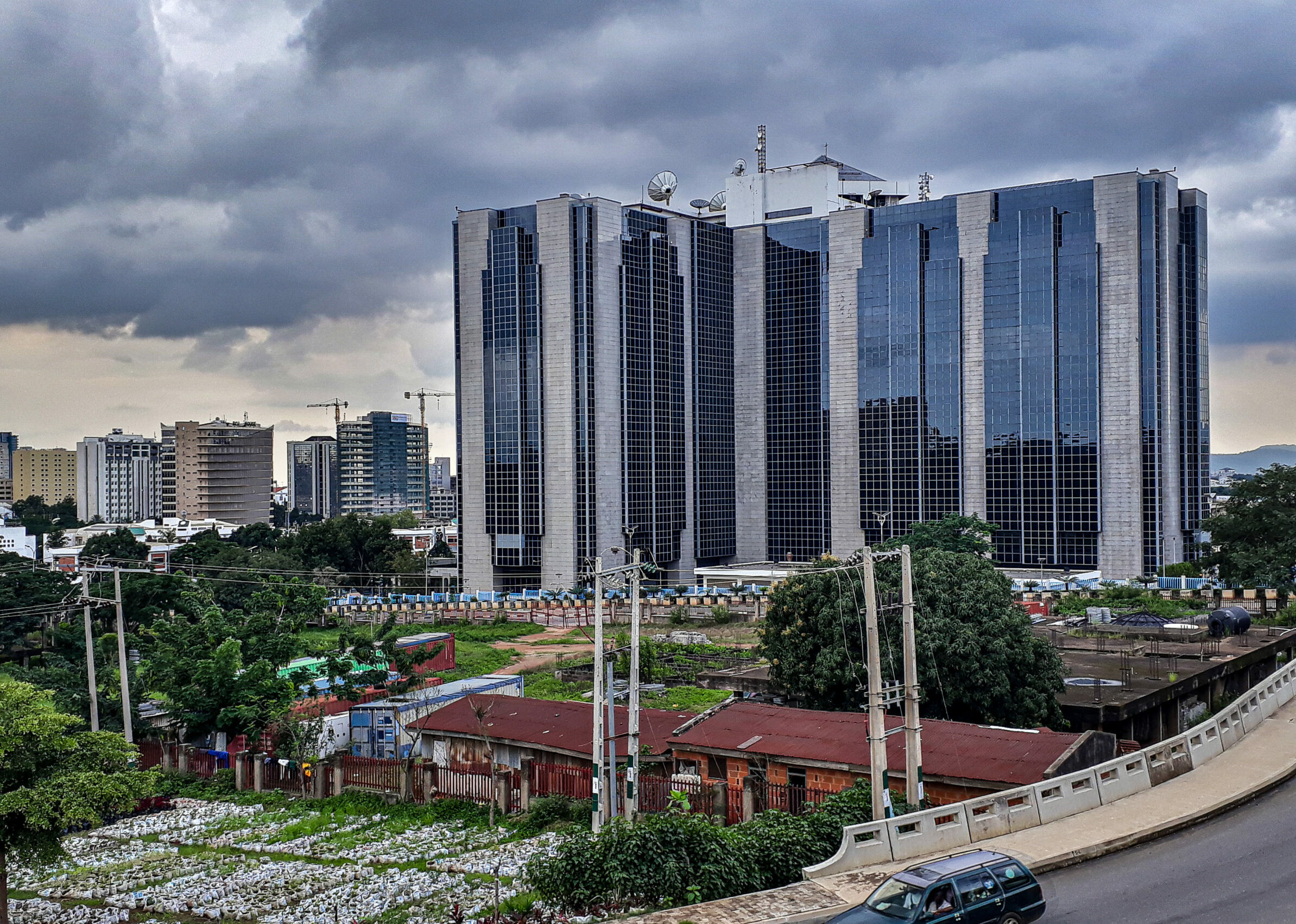
The Central Bank of Nigeria’s (CBN) financial statements for the year 2024 have generated significant interest, not only among financial analysts and economists but also among regular citizens keen on understanding the country’s economic trajectory. These statements are marked by a striking commitment to economic stability, showcasing the effective implementation of sound policies and strategic financial management. With notable improvements in external reserves, asset quality, cost efficiency, and an overall robust bottom line, the CBN is steering the Nigerian economy toward a more stable and prosperous future.
One of the key indicators of economic health is the status of a country’s external reserves. The CBN’s efforts in this area have shown remarkable results, with external reserves increasing from $36.6 billion in 2023 to $38.8 billion in 2024. This rise is not just a nominal improvement; it represents a critical shift in the confidence both locals and international investors have in Nigeria’s economic landscape. The growth in reserves can largely be attributed to improved inflows from several sources, including portfolio investors and diaspora remittances. Moreover, the Federal Government’s receipts have been positively impacted through enhanced collaboration with the Nigerian National Petroleum Company (NNPC) as well as targeted diaspora engagement strategies. Such an increase in external reserves is vital for stabilizing the Naira and meeting international obligations, providing a buffer against any economic shocks. The CBN’s commitment to ensuring stability in the external sector reflects its understanding of the interdependencies that exist within the global economy. As Nigeria faces myriad challenges, having a solid reserve bolsters macroeconomic confidence and sets the stage for sustainable growth.
Perhaps one of the most astonishing transformations in the CBN’s recent financial history is the improvement in its bottom line. After dealing with a deficit position of ₦1.3 trillion in 2023, the Bank rebounded dramatically to achieve a surplus of ₦165 billion in 2024. This turnaround speaks volumes about the efficacy of the CBN’s financial management strategies, which emphasize both prudent expenditure management and strategic investment. The CBN’s ability to rein in expenses without sacrificing growth demonstrates a newfound agility in navigating fiscal challenges.
The improved bottom-line performance can be attributed to several factors, including effective expense containment measures. The CBN has made strategic moves that have not only curtailed unnecessary spending but also facilitated gains from investments and increased income from foreign exchange transactions. This financial agility is critical for fostering a sound economic environment, as it bolsters the CBN’s capacity to engage in further economic interventions that could stimulate broader growth across various sectors.
In addition to improved financial outcomes, the CBN has also focused on reducing its loans and receivables. The reduction from ₦16.1 trillion to ₦11.9 trillion is significant and reflects a shift in strategy. This reduction primarily arises from significant recoveries from earlier intervention lending programs coupled with a deliberate policy change. By stepping back from intervention lending, the Bank allows market mechanisms to dictate credit allocation, ultimately enhancing financial sector development.
The CBN’s decision to pivot away from intervention lending is a forward-thinking move that underscores a broader strategy to promote a more robust financial market. Enabling market forces to play a larger role in credit allocation is essential not only for the economy’s efficiency but also for stimulating competition among financial institutions, which can lead to better rates and services for consumers. This shift also aligns with international best practices, including those recommended by global financial institutions, reinforcing the CBN’s commitment to modernizing its operational principles.
Cost efficiency has emerged as a critical area of focus for the CBN, with 2024 marking a year of significant advancements. The Bank’s operating expenses have been meticulously managed, showcasing a commitment to establishing a cost-conscious culture. Through strategic cost rationalization initiatives, including the reduction of non-essential spending and streamlining operations across regional branches and departments, the CBN has succeeded in optimizing its expenditure.
Moreover, the successful implementation of Internal Control over Financial Reporting (ICFR) has significantly enhanced the transparency and accountability within the institution. This enhancement is not merely about regulatory compliance; it reflects a broader commitment to institutional governance and internal risk controls. By aligning its practices with international best practices in central banking operations, the CBN fortifies its reputation and reassures stakeholders about its financial integrity and governance standards.
As the Nigerian economy continues to navigate complex global challenges—from fluctuating oil prices to geopolitical tensions—the CBN’s proactive financial management offers a blueprint for resilience. The balance of effective policymaking, adept financial stewardship, and a commitment to transparency positions the Bank favourably for future challenges.
The successes observed in 2024 serve not merely as an endpoint but as a foundation for ongoing initiatives aimed at strengthening economic stability. The CBN’s initiatives highlight a commitment to ensuring that the institution remains responsive to emerging economic issues and resilient enough to absorb shocks. This strategic vision aims not only to stabilize the currency and manage reserves but also to foster an environment conducive to investment, innovation, and growth.
The Central Bank of Nigeria’s 2024 financial performance is indeed a beacon of hope for economic stability in the nation. The Bank’s diligent focus on sound policy implementation, strategic financial management, and cost efficiency has yielded remarkable outcomes. The increase in external reserves, substantial improvement in the bottom line, significant reduction in loans and receivables, and enhanced internal controls are all indicative of effective management practices.
As Nigeria grapples with its economic reality, these positive developments signal a proactive approach toward enduring stability. The CBN’s achievements during this period provide not only a cause for optimism but also a template for future actions. As the country looks ahead, the CBN’s 2024 financial performance presents a hopeful outlook, reinforcing the idea that through strong leadership and strategic vision, Nigeria can indeed overcome its challenges and pave the way for lasting economic prosperity.